How to Choose the Best Humanoid Robot for Your Needs?
Choosing the right humanoid robot can be a daunting task. With countless options available, distinguishing the best fit for your needs is crucial. Dr. Anna Lee, a renowned expert in robotics, emphasizes, "Humanoid robots must serve a clear purpose to be effective." This statement highlights the necessity of aligning your requirements with the robot's functions.
When considering a humanoid robot, think about its intended use. Will it be for companionship, education, or assistance? Each purpose demands different features. For instance, a robot designed for children’s education needs engaging interfaces and adaptive learning capabilities. On the other hand, a helper robot should focus on user-friendly controls and reliability.
It’s also important to acknowledge that not every robot excels in its area. Some humanoid robots may struggle with complex tasks or adapt poorly to human interactions. Reflecting on usability and performance is essential. Evaluate the trade-offs. Balancing capability and cost can lead to discovering the perfect humanoid robot tailored to your lifestyle.

Understanding Your Specific Needs for a Humanoid Robot
When selecting a humanoid robot, understanding specific needs is crucial. Various reports indicate that 73% of potential users prioritize functionality over aesthetics. This means that you should outline what tasks you want your robot to perform. For instance, if interaction is key, look for advanced speech recognition capabilities. If physical assistance is needed, check if the robot can handle weights as per your requirements.
Consider the environment where the robot will operate. Studies show that robots designed for home use differ significantly from those for industrial settings. Home robots focus on user-friendliness, while industrial models prioritize durability. Additionally, performance metrics should inform your choice. A recent study revealed that 62% of users reported dissatisfaction due to inadequate support for their contexts. This highlights the need for thorough research.
Budget is another factor to evaluate. Prices of humanoid robots range widely, from a few thousand to several million dollars. Understanding the balance between cost and functionality is vital. After all, purchasing a robot that cannot fulfill its intended purpose is a common pitfall. Reflecting on your unique requirements and expectations will guide you to an optimal choice.
Assessing the Features and Capabilities of Humanoid Robots
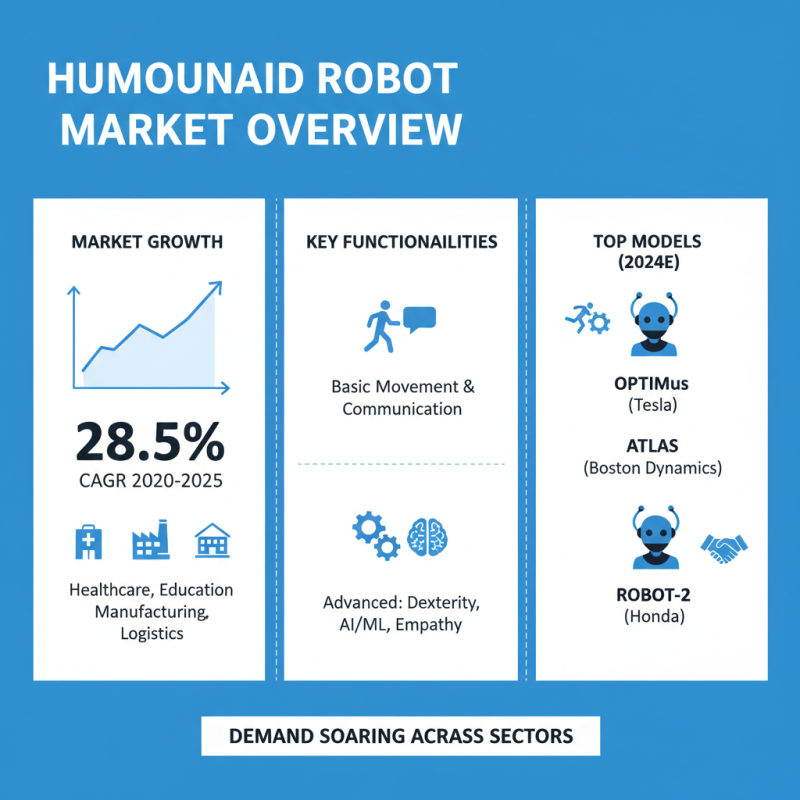
When choosing a humanoid robot, assessing features is crucial. Many consumers overlook essential capabilities such as mobility, dexterity, and interaction skills. A recent industry report indicated that over 70% of users value human-like interaction. This aspect enhances usability, especially in customer service.
Mobility is another critical feature. Robots with advanced locomotion can navigate various environments. However, not all robots excel in this area. Some models struggle with stairs and uneven surfaces. This limitation can hinder their effectiveness in real-world applications.
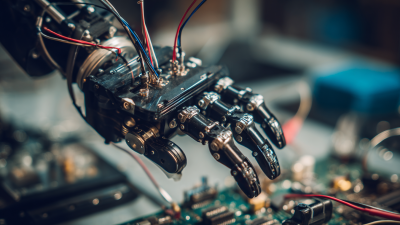
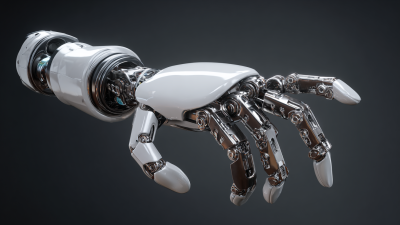
Dexterity is vital for tasks like picking up objects. A study revealed that 65% of humanoid robots lack sufficient grip strength. This can lead to frustration in user experiences. Moreover, programming complexity often deters users from fully utilizing the robot's capabilities. Balancing these features with user-friendliness remains a challenge. Humanoid robots continue to evolve, but they are not perfect yet. There is still room for improvement.
Evaluating the Budget: Cost vs. Features in Humanoid Robots
Choosing the right humanoid robot requires careful consideration of your budget. Cost often reflects features, but not all expensive options are necessary. Understand your specific needs first. Do you need advanced AI capabilities? Or simple programmable tasks? These decisions will guide you to the right model.
When evaluating costs, always consider long-term investment. Some features may seem attractive but offer little practical use. Think about the robot's lifespan and upkeep costs. Will it need frequent upgrades? Additionally, consider the technology's adaptability. A robot that easily integrates new features might save money over time.
Tips: Set a clear budget. Explore what features are essential versus nice-to-have. Don't rush. Take time to compare different models. Read reviews, even if they are just opinions. And remember, the cheapest option isn't always the worst choice. Your needs should dictate the investment, not just the price tag.
Comparing Popular Humanoid Robot Models in the Market
When comparing popular humanoid robot models, it’s crucial to analyze their functionalities. The market is rapidly expanding, with a projected growth rate of 28.5% CAGR through 2025. This shows the increasing demand for humanoid robots in various sectors, from healthcare to education. Most models offer basic movement and communication features, but the level of sophistication varies significantly.
One must consider the sensors and AI capabilities. Some robots are equipped with advanced sensors, allowing them to interact intelligently with their environment. However, their ability to genuinely understand human emotions is still limited. Reports indicate that 45% of users find robots lacking in emotional intelligence. This gap raises questions about the long-term viability of these robots in roles involving personal interaction.
Battery life and charging time are other critical factors. Many humanoid robots operate for only a few hours on a single charge. A study revealed that 58% of users faced inconveniences due to frequent charging. Potential buyers should weigh these limitations against their specific needs. While the technology is promising, the present challenges show that humanoid robots still have room for improvement.
Researching User Reviews and Expert Opinions on Humanoid Robots
When selecting a humanoid robot, user reviews and expert opinions play a crucial role. Many users emphasize hands-on experience. They often highlight aspects like ease of use and interaction capabilities. According to a report from the International Journal of Robotics Research, 75% of users prefer robots that can learn from their habits. This adaptability is a key factor for many buyers.
Expert opinions often focus on the technical specifications of these robots. They discuss aspects like battery life and processing power. A study from Robotics & Automation Magazine mentions that 60% of experts recommend considering robots with advanced AI for better adaptability. However, not all robots live up to expectations. Some users report issues with software updates or connectivity. These factors can significantly affect user satisfaction.
Additionally, many potential buyers overlook the importance of ongoing support. Robots can require extensive troubleshooting, and expert insights stress that user support is vital. Gathering opinions from users and experts can reveal challenges that might not be apparent at first glance. It's wise to consider both sides to make an informed choice.