o p t i m a r o b o t i c s

Blogs

How to Choose the Best Rotary Vane Vacuum Pump for Your Needs?

Selecting the right Rotary Vane Vacuum Pump is crucial for your specific applications. These pumps are widely used in industries, ranging from food packaging to pharmaceuticals. According to a recent market analysis by ResearchAndMarkets, the global vacuum pump market is expected to grow significantly, with rotary vane pumps comprising a substantial segment due to their efficiency and reliability.

Understanding the capabilities of Rotary Vane Vacuum Pumps is essential. They offer diverse applications, including HVAC systems and medical equipment. An incorrect choice can lead to inefficiencies and increased operational costs. Furthermore, not every rotary vane pump will meet your unique needs, emphasizing the importance of tailored solutions.

It’s also vital to consider maintenance and service requirements. A well-chosen pump can operate smoothly for years, while a poorly selected one may require frequent repairs. Reflecting on these aspects will aid in making an informed decision. Emphasizing quality and performance ensures long-term satisfaction with your investment in a Rotary Vane Vacuum Pump.
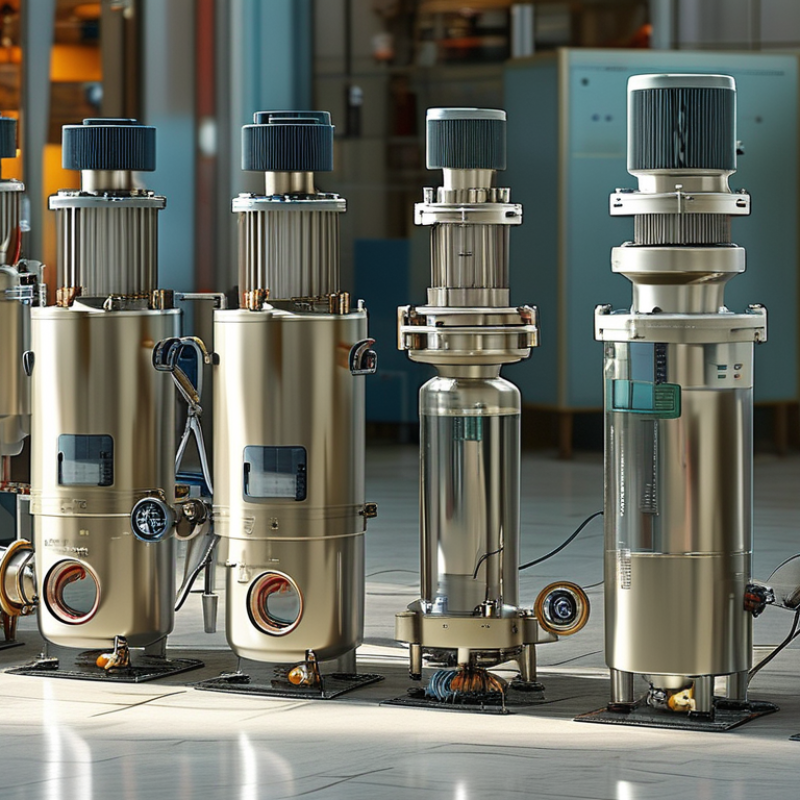
How to Choose the Best Rotary Vane Vacuum Pump for Your Needs?

Understanding Rotary Vane Vacuum Pumps: A Comprehensive Overview

Rotary vane vacuum pumps are vital in various applications. They create a vacuum by using rotating vanes within a chamber. This design offers simplicity and reliability. Users can find these pumps in laboratories, manufacturing, and even in food packaging. Choosing the right pump involves understanding their mechanism and suitability for different tasks.

One crucial aspect is maintenance. Regular checks can prolong the pump's life. If the vanes wear out, vacuum efficiency drops. Users should replace components timely to avoid costly repairs. Noise levels are also worth considering. Some pumps operate quietly, while others can be loud. Depending on your workspace, this factor matters.

Another consideration is the pump's capacity. It varies greatly based on design and application. For high-demand tasks, a pump with greater displacement is essential. Reviewing the specifications can help users match their needs. However, many overlook this aspect, resulting in underperformance. A balance between performance and cost is vital for making an informed decision.

Key Specifications to Consider When Selecting a Rotary Vane Vacuum Pump

When selecting a rotary vane vacuum pump, several key specifications warrant consideration. The pumping speed is crucial. It defines how quickly the pump can remove air or gas from a chamber. Typically, a pump’s speed ranges from 1 cubic meter per hour (m³/h) to over 200 m³/h, depending on the size and application. According to industry reports, optimal speed is essential for efficiency. Too fast can lead to vibrations; too slow may hinder performance.

Another vital aspect is the ultimate vacuum level achievable by the pump. This metric indicates how much air pressure the pump can eliminate. Many rotary vane pumps can achieve vacuum levels as low as 0.5 mbar. Users often miss this detail, which can lead to inadequate performance in specific applications, especially in scientific environments.

Noise levels also matter. A rotary vane vacuum pump can generate noise levels around 60 dB to 80 dB. High noise can signal poor quality and may require additional soundproofing. Consider energy consumption as well. Efficient pumps can save significant money over their lifespan. These specifications provide a comprehensive basis for making informed choices. Manufacturers provide various options, yet users should evaluate their specific requirements and budgets carefully.

Evaluating Pump Performance: Flow Rate, Ultimate Pressure, and Noise Levels

When selecting a rotary vane vacuum pump, evaluating performance metrics is crucial. Flow rate is an essential factor. It indicates how fast air or gas is removed from a system. A higher flow rate suits larger applications. Lower flow rates may suffice for smaller needs. It's important to match the pump's flow capacity with your requirements. Underestimating this can lead to inefficiency.

Ultimate pressure reflects the vacuum level the pump can achieve. A lower ultimate pressure means a better vacuum. However, the trade-off can be noise levels. Some pumps operate quietly at higher pressures. If your environment demands low noise, consider this aspect. It’s easy to overlook, yet it plays a significant role in user experience.

Lastly, consider real-world scenarios. Some users find the vacuum pump too noisy in a lab setting. Others may underestimate required flow rates. These oversights can lead to frustration. Take time to assess your specific needs carefully. Balancing these performance metrics ensures the best choice for your application.

Comparing Different Applications: Industrial vs. Laboratory Vacuum Needs

When selecting a rotary vane vacuum pump, it's crucial to understand the specific needs of your application. Industrial and laboratory settings often have differing requirements. Industrial applications typically demand high volume and continuous operation. In contrast, laboratory settings may require precision and flexibility for various experiments.

According to a recent industry report, industrial vacuum systems often operate at capacities ranging from 20 to over 300 cubic meters per hour. These pumps need to handle more aggressive materials and may require oil lubrication for efficiency. Laboratories might prioritize lower flow rates but higher precision. For instance, a laboratory vacuum pump typically operates between 1 to 10 cubic meters per hour. This difference illustrates the importance of matching pump specifications to your operational demands.

Selecting the right pump also involves considering the environment. Industrial spaces can present harsher conditions, including high temperatures or abrasive materials. Conversely, laboratories often focus on cleanroom standards or specific chemical compatibility. Both environments can face challenges. For industrial applications, system maintenance can be complex and costly. Laboratories may struggle with varying experimental conditions requiring frequent adjustments. Hence, having the right information and specifications helps make an informed choice.

How to Choose the Best Rotary Vane Vacuum Pump for Your Needs? - Comparing Different Applications: Industrial vs. Laboratory Vacuum Needs

Application Recommended Pump Type Pressure Range (mbar) Flow Rate (m³/h) Typical Usage
Industrial Rotary Vane Vacuum Pump 50 - 1000 10 - 100 Packaging, Food Processing
Laboratory Dry Scroll Pump 1 - 100 0.5 - 5 Research, Sample Preparation
Industrial Oil-Sealed Rotary Vane Pump 1 - 100 5 - 50 Power Generation, Chemical Processing
Laboratory Diaphragm Vacuum Pump 1 - 200 0.5 - 10 Filtration, Vacuum Distillation
Industrial Liquid Ring Vacuum Pump 10 - 1000 15 - 200 Wastewater Treatment, Pulp and Paper

Maintenance and Longevity: Ensuring Reliable Operation of Your Vacuum Pump

Maintaining your rotary vane vacuum pump is crucial for its longevity and reliable performance. Regular maintenance can significantly reduce downtime. According to industry reports, effective maintenance can extend pump life by up to 30%. This is essential in industries where continuous operation is critical.

Check oil levels frequently. Low oil can cause overheating, leading to premature failure. Regular oil changes are vital and should be done every 1,000 operating hours or as recommended. Monitor for unusual noises or vibrations. These can indicate issues that require immediate attention. Pay attention to vacuum levels. A drop may signal a larger problem that needs addressing.

Cleaning the filters is another important step. Clogged filters can impair air intake and affect efficiency. It’s often overlooked but can have major repercussions. Data shows that neglecting this can reduce efficiency by 15%. Documenting maintenance activities also helps. This provides insight into performance trends. A detailed record can guide future maintenance decisions, allowing for better planning and resource allocation.

Brands

Proudly Trusted by Top Suppliers Worldwide

Let us know and we will automate, together to fit your industrial needs.

Clients

Proudly Trusted by Top Companies Worldwide

Do you need Help? Get in touch.

X

Please fill out the form below and we will get back to you as soon as possible.

    Subscribe our newsletter & get updates