o
p
t
i
m
a
r
o
b
o
t
i
c
s

Make a Call


Make a Call
Blogs
How to Choose a China Top Tarot Flight Controller?
Choosing a China top Tarot Flight Controller is not a contest for the longest feature list. The right choice must match your airframe, motors, receiver, sensors, and flying goals. A controller that works well on a light test rig may behave differently once a larger frame carries extra equipment. Small details matter: connector layout, vibration isolation, GPS placement, and access to setup instructions. Check the exact model and firmware support before purchase, since similar product names do not guarantee identical functions.
Drawing on Professor Randy Beard’s published work in UAV control, a useful paraphrase is: “Dependable flight begins with predictable control, not a crowded feature list.” This is a paraphrase, not a verbatim quotation, and Beard is a general UAV-control expert rather than a Tarot spokesperson. Use the idea as a practical check. Can you calibrate the sensors reliably? Are wiring diagrams and troubleshooting guidance available? Can you verify compatibility with your frame and other components? Those answers are more useful than a polished product photo. There is no perfect pick. Even experienced builders can miss a wiring detail or underestimate setup time. A careful comparison of specifications, support, and real user experience will help you choose a Tarot Flight Controller with fewer surprises.
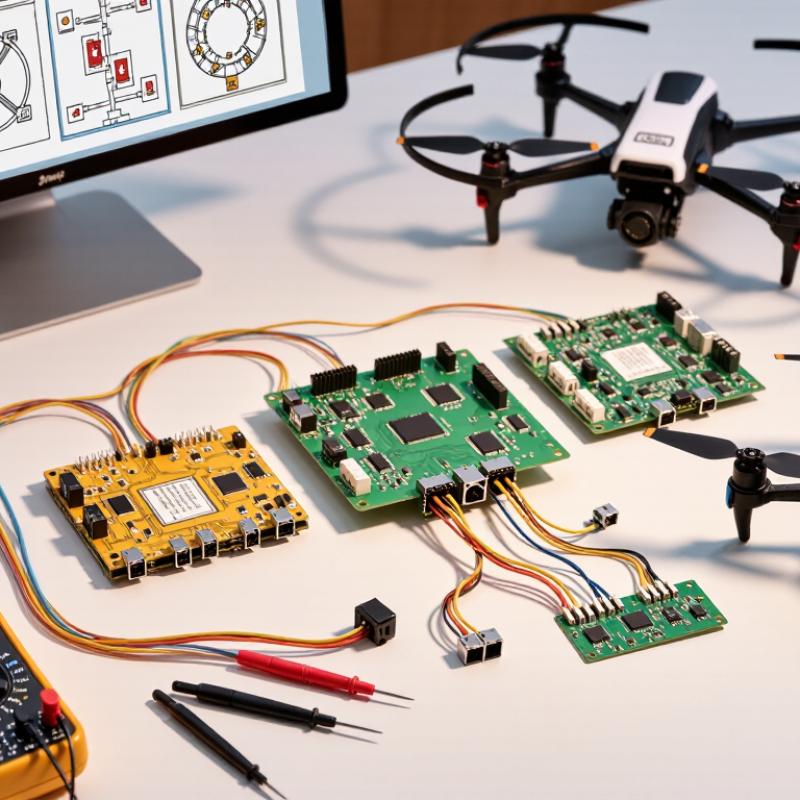
Table of Contents [Hide]
Understand Tarot Flight Controller Types and Functions
How to Choose a China Top Tarot Flight Controller?
Understanding Tarot Flight Controller Types and Functions
Choosing a flight controller begins with identifying the aircraft’s real needs. Multirotor controllers usually combine gyroscopes, accelerometers, and barometers for stable attitude control. Some models add GPS support, compass inputs, and return-to-home functions. Fixed-wing controllers require different tuning because airspeed, altitude, and turning behavior change continuously.
A practical inspection should cover processor speed, sensor quality, firmware support, and wiring layout. A clear port diagram can prevent mistakes during installation. I also check whether the controller supports the receiver, electronic speed controllers, and power module already selected. That matters.
During bench testing, watch the live sensor readings before connecting propellers. Then test arming logic, failsafe behavior, vibration filtering, and GPS recovery in an open, lawful area. Small errors become obvious here. A loose cable once caused unstable readings in my own setup, although the software initially appeared normal. This reminded me not to trust specifications alone.
Reliable flight controllers should offer documented firmware, stable update procedures, and accessible technical support. Independent reviews are useful, but testing conditions may differ from yours. Check temperatures, battery voltage, frame size, and payload before comparing performance. A controller with many functions is not always the best choice. Excess features can increase setup difficulty and create more points for troubleshooting. Choose the type that matches your aircraft, skill level, and maintenance habits.
Brands
Proudly Trusted by Top Suppliers Worldwide







Let us know and we will automate, together to fit your industrial needs.
 +91-97254 16844
Clients
Proudly Trusted by Top Companies Worldwide


Do you need Help? Get in touch.
X
Please fill out the form below and we will get back to you as soon as possible.