o
p
t
i
m
a
r
o
b
o
t
i
c
s

Make a Call


Make a Call
Blogs
Why Choose Shuttering Magnets for Precast Concrete?
Precast concrete production depends on repeatable setups, clean mould edges, and secure formwork. A Shuttering Magnet helps hold side forms in position on a steel casting bed without drilling or welding. Its magnetic force supports fast placement, while the switch or release mechanism allows crews to reposition it between pours. Small details matter: a magnet that sits flat on a clean bed can reduce movement when concrete is placed and vibrated.
A practical principle for this guide is: “Choose the magnet for the formwork load and casting conditions, not by holding force alone.” This is an editorially composed expert takeaway, not a verified quotation from a named specialist. Real operating conditions vary. Form height, vibration, bed condition, and magnet spacing all affect performance. A setup that works for a short wall panel may not suit a taller, heavier form.
This article examines why precast teams choose Shuttering Magnet systems, how they support flexible mould layouts, and what to check before selection. It also considers limitations. Magnets need suitable steel contact, regular cleaning, and careful handling. They are useful tools, not substitutes for sound formwork design or production checks. The goal is straightforward: understand where they save setup time, and where a closer review is needed.
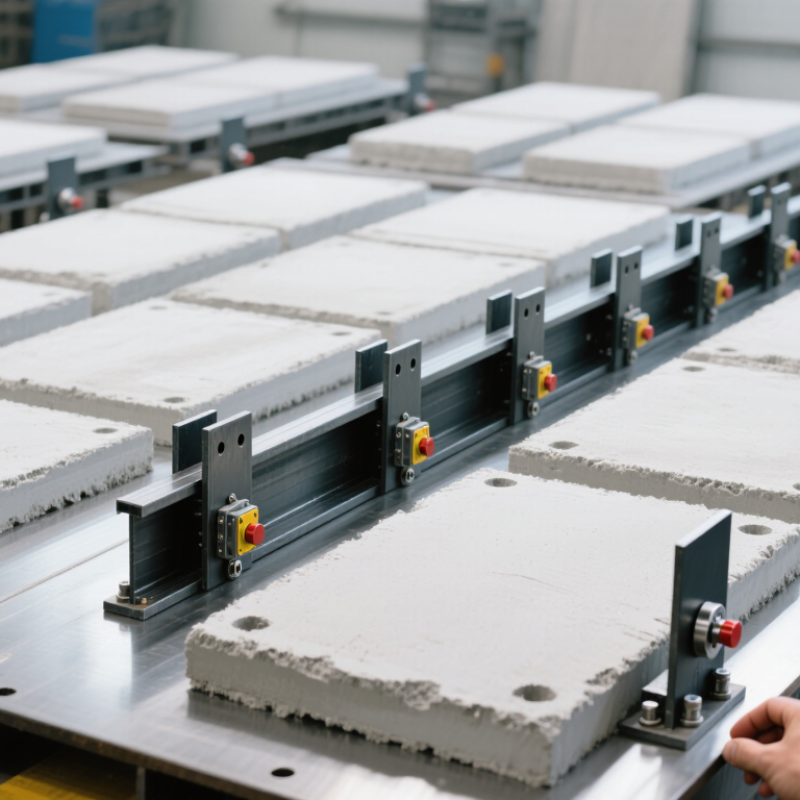
Table of Contents [Hide]
What Shuttering Magnets Are and How They Work
Shuttering magnets are compact assemblies that secure formwork to a steel casting bed during precast concrete production. A typical unit contains permanent magnets inside a steel housing, with a switch or lever to activate and release the magnetic hold. The housing often attaches to a formwork profile, keeping the mould in position without drilling into the bed.
When activated, the magnets direct their force through the housing and into the steel surface beneath them. That contact helps resist movement as concrete is placed and vibrated.
No drilling required.
Operators position the form, engage the magnets, then check alignment and end joints before pouring. A clean, flat bed matters: rust flakes, concrete residue, or a small gap can reduce effective holding force.
In practice, a quick visual check is easy to skip, especially during a busy production run. It is still worth doing.
Magnet capacity must suit the formwork design and expected loads; the magnets alone do not guarantee a leak-free mould or correct alignment.
After curing, operators release the units and inspect them for wear or trapped debris.
Brands
Proudly Trusted by Top Suppliers Worldwide







Let us know and we will automate, together to fit your industrial needs.
 +91-97254 16844
Clients
Proudly Trusted by Top Companies Worldwide


Do you need Help? Get in touch.
X
Please fill out the form below and we will get back to you as soon as possible.