o
p
t
i
m
a
r
o
b
o
t
i
c
s

Make a Call


Make a Call
Blogs
How to Choose the Best Construction Adhesive for Your Project?
Choosing the best Construction Adhesive starts with the materials, not the tube. Wood, concrete, metal, tile, and foam each bring different bonding challenges. A product that grips a dry pine board may not perform the same way on damp masonry. The label matters, but the surface matters more.
Adhesive specialist Dr. Dave Dunn is a relevant voice in adhesive technology. I can’t verify a published, verbatim quotation from him on choosing construction adhesive, so I won’t attribute invented words to him. A practical principle for this guide is: “Match the adhesive to the surfaces, load, and exposure—not just the label.” That is an editorial guide, not a quotation from Dr. Dunn.
Think about the actual job. Will the bond carry weight, resist vibration, or face moisture and temperature changes? Is one surface painted, dusty, or slightly uneven? A bead squeezed onto two clean boards can look reassuring, yet poor surface preparation may weaken the bond later. Small details count.
This guide will compare common adhesive types, explain what labels can and cannot tell you, and outline checks to make before application. It will also point out where product instructions deserve a second look. Adhesives are not interchangeable. And labels can be easy to misread. A careful choice reduces guesswork, though no short guide can replace the manufacturer’s directions or a test on unfamiliar materials.
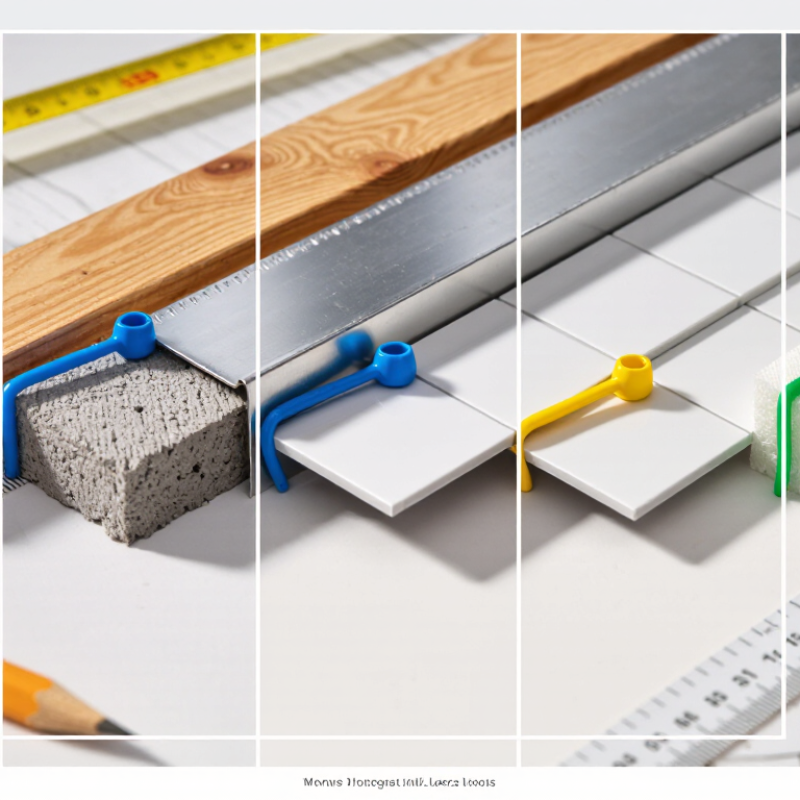
Table of Contents [Hide]
Define Substrates, Loads, and Exposure Conditions Before Choosing an Adhesive
Choosing a construction adhesive starts with the surfaces it must join. Identify each substrate: plywood, concrete, metal, masonry, or plastic may need different formulations. Check whether the surface is sealed, painted, porous, dusty, or damp. A bead that bonds well to clean wood may fail on powdery concrete. Clean and prepare a small test area; I’ve seen this step skipped when the fit looked obvious.
Next, define the load. Will the joint carry steady weight, resist pulling, or absorb vibration and movement? A shelf bracket and a trim strip do not ask the same thing of an adhesive. Consider the joint’s size and whether fasteners can share the load. For overhead, structural, or safety-critical work, follow the product’s rated uses and seek qualified advice. Adhesive strength figures alone can be misleading.
Exposure matters, too. Indoor humidity, rain, temperature swings, sunlight, and freeze-thaw cycles can change performance. Check the technical data sheet for approved substrates, service temperatures, curing time, and moisture limits. A bathroom panel may need a different choice from a dry interior molding. Allow the full cure time before loading the joint. It is tempting to rush. That is often where a sound-looking bond disappoints.
How to Choose the Best Construction Adhesive for Your Project?
Define substrates, loads, and exposure conditions before choosing an adhesive.
| Project Condition | Adhesive Type to Consider | Typical Substrates | Load and Application | Exposure and Limitations |
|---|---|---|---|---|
| Interior trim, paneling, or light fixtures | Water-based acrylic or latex construction adhesive | Porous materials such as wood, drywall, and some masonry | Suitable for many light-duty, nonstructural bonds. Some products need temporary support while curing. | Best for dry interior conditions. Water-based products may bond poorly to nonporous surfaces and can be unsuitable for prolonged moisture exposure. |
| Wood-to-wood or wood-to-masonry assembly | Polyurethane construction adhesive | Wood, plywood, concrete, brick, and some metals, subject to product specifications | Often used for demanding construction bonds. Apply to clean, sound surfaces and follow the stated clamping or bracing instructions. | Many formulations tolerate moisture after curing, but water resistance and exterior suitability vary. Check compatibility with the specific materials. |
| Mixed materials with movement or vibration | Flexible hybrid polymer adhesive, such as an MS polymer formulation | Commonly used with wood, metal, concrete, and some plastics; verify each substrate | Useful where a bond needs flexibility as materials expand, contract, or vibrate. Not every formulation is suitable for structural loads. | Some products are designed for exterior use and weather exposure. Confirm temperature, UV, water, and immersion ratings on the product data sheet. |
| High-strength bonding of rigid, prepared components | Two-part epoxy adhesive | Depending on formulation: metal, concrete, ceramics, and selected plastics | Can provide high strength on compatible surfaces. Mixing ratio, surface preparation, bond-line thickness, and cure time are critical. | Heat, chemicals, and moisture resistance vary by formulation. Epoxy is rigid after curing and may be unsuitable where substantial movement is expected. |
| Nonporous surfaces requiring a flexible seal or bond | Silicone adhesive or sealant | Commonly glass, glazed tile, and selected metals; check compatibility before use | Useful for flexible bonding and sealing, but standard silicone sealants should not be assumed to provide structural support. | Many formulations resist weathering and moisture. Some silicones do not accept paint, and adhesion to porous or plastic materials can vary. |
| Large-area bonding of compatible sheet materials | Contact adhesive | Often used for laminates, veneers, and selected panels on compatible backing surfaces | Typically applied to both surfaces and joined after the specified flash-off period. Accurate alignment matters because repositioning may be difficult. | Solvent-based and water-based versions differ in emissions, drying conditions, and material compatibility. Follow ventilation and fire-safety instructions. |
| Concrete, masonry, or other load-bearing construction | Adhesive specifically rated for the intended structural application | Substrates and surface conditions must match the product’s technical documentation | Do not infer a safe load from adhesive type alone. Use tested design values, approved installation details, and mechanical fasteners where required. | Account for wet or damp surfaces, temperature, freeze-thaw cycles, chemicals, and long-term exposure. Follow applicable codes and engineering requirements. |
Selection checklist: Confirm both substrates, whether either surface is painted or sealed, expected static or dynamic loads, joint movement, cure conditions, and exposure to water, heat, sunlight, or chemicals. Always consult the adhesive’s technical data sheet for approved uses, preparation, application, and curing requirements.
Brands
Proudly Trusted by Top Suppliers Worldwide







Let us know and we will automate, together to fit your industrial needs.
 +91-97254 16844
Clients
Proudly Trusted by Top Companies Worldwide


Do you need Help? Get in touch.
X
Please fill out the form below and we will get back to you as soon as possible.