o
p
t
i
m
a
r
o
b
o
t
i
c
s

Make a Call


Make a Call
Blogs
7 Tips to Choose the Best Pouch Cell Trimming Machine?
Choosing the right Pouch Cell Trimming Machine has become a production decision, not merely an equipment purchase. The International Energy Agency reported that global battery demand for electric vehicles exceeded 750 GWh in 2023, rising by about 40% from the previous year. This growth places greater pressure on cell manufacturers to improve throughput, edge quality, safety, and process consistency. A poorly trimmed pouch can create burrs, damaged sealing films, or alignment problems during later assembly. Small defects can become expensive failures.
This guide presents seven practical tips for evaluating a Pouch Cell Trimming Machine. The recommendations consider cutting accuracy, servo control, tooling life, dust management, changeover time, operator safety, and after-sales support. These factors reflect real production concerns observed across pilot lines and high-volume battery plants. Benchmarking data from BloombergNEF’s battery price surveys also shows continuing pressure to reduce manufacturing costs, making stable equipment performance increasingly valuable. A fast machine is not automatically a good machine. It must also protect the pouch film and maintain repeatable dimensions at production speed.
No machine is perfect. Even experienced teams can overlook maintenance access or waste collection during supplier evaluations. That mistake can surface later beside a noisy trimming station, scattered aluminum scraps, and rising downtime. Careful testing, sample validation, and transparent supplier records therefore matter. The following tips help engineers, purchasing teams, and plant managers compare machines with greater confidence and fewer assumptions.
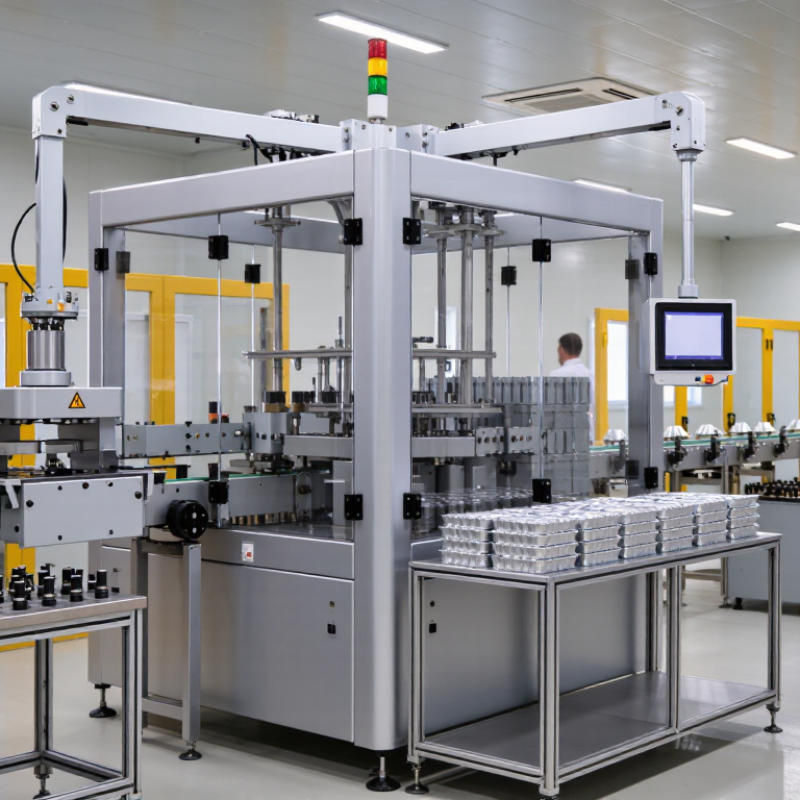
Table of Contents [Hide]
What Is a Pouch Cell Trimming Machine and Why Does It Matter?
A pouch cell trimming machine removes excess aluminum-plastic film after heat sealing. It creates a clean, controlled edge around the finished cell. This step looks simple, but small cutting defects can affect stacking, insulation, and later module assembly. The International Energy Agency reported that global electric-vehicle battery demand exceeded 750 GWh in 2023. Higher volumes make stable trimming increasingly important.
When selecting equipment, check seven practical points: cutting accuracy, burr control, dust management, cycle time, tooling life, recipe adjustment, and operator safety. Ask for measured tolerances, not attractive samples. A reliable machine should handle different pouch sizes without forcing frequent manual corrections. It should also collect film scraps before they reach sealing or inspection areas. That detail matters.
Look closely at repeatability. One clean cut proves little. Request long-run test data, including edge variation and rejected-cell rates. The U.S. Department of Energy’s Vehicle Technologies Office has repeatedly linked manufacturing consistency with battery quality and production cost. However, trimming alone cannot repair poor sealing or incorrect cell alignment. This is where buyers sometimes expect too much. Check blade access, changeover time, sensor stability, and service documentation. A machine that runs quickly but creates hidden particles may cost more during downstream inspection. Choose evidence over impressive speed claims.
Brands
Proudly Trusted by Top Suppliers Worldwide







Let us know and we will automate, together to fit your industrial needs.
 +91-97254 16844
Clients
Proudly Trusted by Top Companies Worldwide


Do you need Help? Get in touch.
X
Please fill out the form below and we will get back to you as soon as possible.