o
p
t
i
m
a
r
o
b
o
t
i
c
s

Make a Call


Make a Call
Blogs
How to Choose the Best Power Bank Rental Station?
Choosing the right Power Bank Rental Station can make a noticeable difference during travel, shopping, events, or long workdays. A reliable station should provide more than quick access to a battery. It should offer safe charging, clear pricing, compatible connectors, and a simple return process. Imagine finding your phone at five percent battery outside a busy train station. The best solution should work within seconds, not create another problem.
Real-world experience shows that convenience can hide important differences. Some stations charge phones quickly, while others provide slower output or poorly maintained cables. Check the station’s condition, battery capacity, charging speed, screen instructions, and payment transparency before renting. Customer reviews can also reveal practical details, such as unavailable return points or batteries that feel worn. These comments are useful, but they are not always complete evidence.
Safety matters equally. Look for reputable operators, visible support contacts, and equipment that appears clean and undamaged. A professional provider should explain rental periods, late fees, deposits, and data-related concerns in plain language. Standards may vary by location, so local requirements and venue policies deserve attention. No station is perfect. Even a well-reviewed option may fail during peak hours or lose network access. That is why comparing several features is wiser than trusting one attractive claim. This guide will help readers assess a Power Bank Rental Station with practical judgment, informed expectations, and a focus on dependable everyday use.
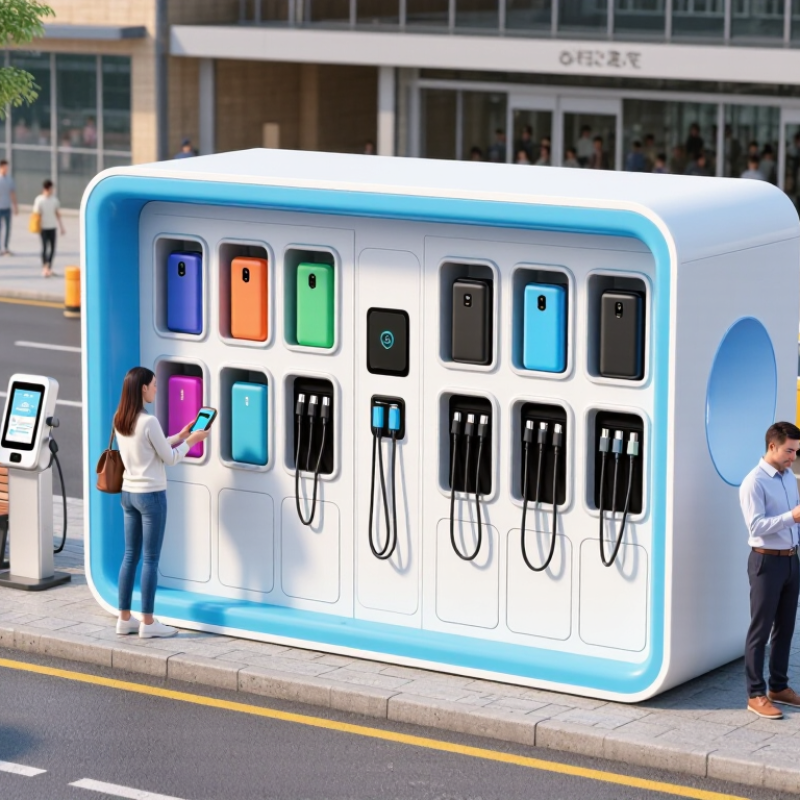
Table of Contents [Hide]
Define Your Power Bank Rental Needs and Usage Scenarios
How to Choose the Best Power Bank Rental Station?
Define your Power Bank Rental Needs and Usage Scenarios
Choosing a rental station starts with observing how people use their devices. A commuter may need ten minutes of emergency charging. A conference attendee may need power throughout an entire afternoon. These situations require different capacities, cable options, and station sizes.
Estimate the number of users during quiet and peak periods. Check how many phones, tablets, or other approved devices visitors carry. A station near elevators may serve short-term users, while one near seating areas may need more available units. Measure the space carefully. A crowded entrance can make collection and return inconvenient.
Charging speed matters, but it should match realistic demand. High-capacity power banks can support longer use, yet they may increase weight and replacement costs. Confirm compatibility with common charging ports and inspect the units regularly. Look for clear battery specifications, electrical safety testing, and practical instructions.
Confirm compatibility with common charging ports and inspect the units regularly.
The first estimate may be wrong. Visitor habits can change with weather, events, or transport delays. Track rental duration, return rates, and repeated complaints after installation. Numbers reveal gaps. If units disappear during one evening rush, demand is not evenly distributed. Adjust placement or inventory instead of buying more equipment immediately. That small review can prevent an expensive, poorly matched setup.
Brands
Proudly Trusted by Top Suppliers Worldwide







Let us know and we will automate, together to fit your industrial needs.
 +91-97254 16844
Clients
Proudly Trusted by Top Companies Worldwide


Do you need Help? Get in touch.
X
Please fill out the form below and we will get back to you as soon as possible.