o
p
t
i
m
a
r
o
b
o
t
i
c
s

Make a Call


Make a Call
Blogs
How to Choose the Right Arm Ball Joint?
Choosing the right Arm Ball Joint starts with the vehicle, not the price tag. A joint links the control arm to the steering knuckle and lets the suspension move as the wheel changes direction. That small part carries real loads. A loose or poorly matched joint can affect steering feel, tire wear, and handling. Small part. Big consequence.
Check the year, make, model, trim, engine, and suspension package against a trusted catalog or manufacturer fitment guide. Then compare the old joint’s mounting pattern, stud taper, thread, and dimensions, where accessible. Some vehicles use press-in joints; others use bolt-on designs or joints built into a control arm. Don’t assume two parts fit because their photographs look alike. They may not. A VIN lookup helps, but unusual trims and prior repairs can complicate the match. Verify again.
Choose a reputable brand with clear specifications, warranty information, and corrosion protection suited to local driving conditions. A grease fitting can aid maintenance, while a sealed design may be correct when specified by the vehicle maker. Clunks or uneven tire wear can point to several faults, not just a ball joint. Diagnosis matters. If inspection is difficult or you lack the proper tools, ask a qualified technician to confirm fitment and installation requirements. This is not a glamorous choice. Still, checking details now is better than discovering a mismatch after installation. It is easy to rush this step. That deserves a second look.
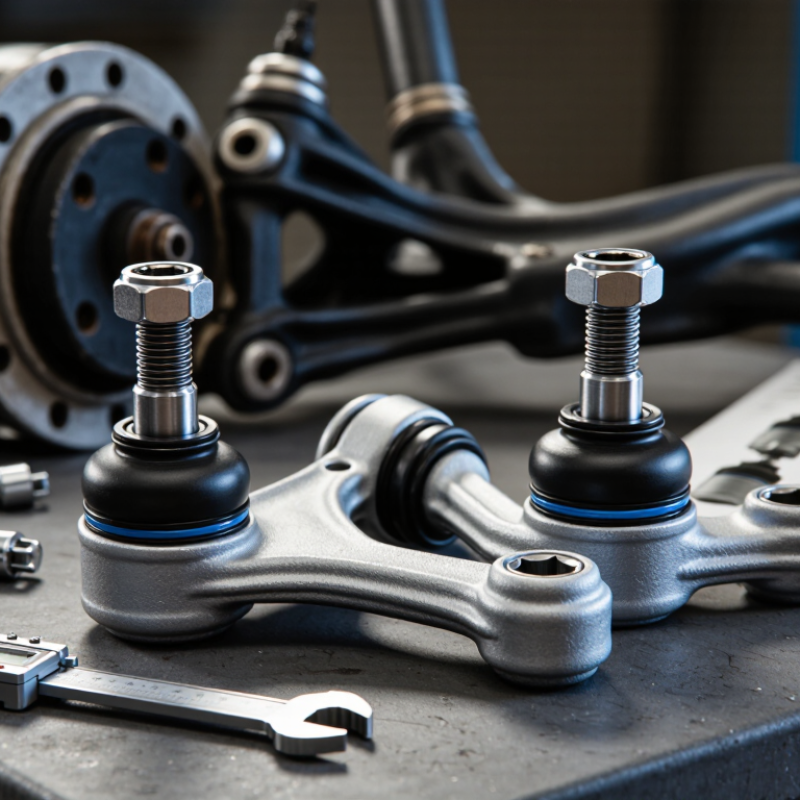
Table of Contents [Hide]
Identify the Vehicle and Suspension Requirements
How to Choose the Right Arm Ball Joint?
Identify the Vehicle and Suspension Requirements
Start with the exact vehicle: model year, model, trim, engine, and VIN. A single model may use different suspension layouts or ball joints across trims. Check whether the joint fits the upper or lower control arm, and whether it is sold separately or integrated into the arm. Small details matter. Compare stud taper, thread size, mounting points, and dimensions with the vehicle’s service information or the original part.
Suspension changes affect fit, too. A lifted vehicle, modified control arms, or unusual ride height may need a joint designed for that setup. Don’t choose by appearance alone; a nearly matching taper can still create poor seating or unsafe movement.
S&P Global Mobility reported that the average age of U.S. light vehicles reached 12.6 years in 2024. That makes confirming the vehicle’s exact configuration especially useful when parts have been replaced before. The report describes vehicle age, not ball-joint failure rates.
Tips: Check the VIN and suspension type before ordering. Then compare the new joint with the removed part. Look for worn threads, a damaged boot, or an unexpected difference in stud angle. If fitment details conflict, pause and verify them with a qualified technician. It’s easy to overlook prior modifications. Do not assume the catalog is always right.
Brands
Proudly Trusted by Top Suppliers Worldwide







Let us know and we will automate, together to fit your industrial needs.
 +91-97254 16844
Clients
Proudly Trusted by Top Companies Worldwide


Do you need Help? Get in touch.
X
Please fill out the form below and we will get back to you as soon as possible.