o
p
t
i
m
a
r
o
b
o
t
i
c
s

Make a Call


Make a Call
Blogs
How to Choose the Right Carbon Commutator for Your Needs?
Choosing the right Carbon Commutator begins with the machine it must serve. A small workshop motor and a heavily loaded industrial drive do not face the same electrical or mechanical demands. Current, operating speed, temperature, vibration, and duty cycle all affect the choice. The part must also match the assembly’s dimensions and connection details. Close measurements matter.
Stephen J. Chapman, author of Electric Machinery Fundamentals, provides a useful foundation in electric-machine principles. A practical selection reminder, paraphrased for this guide rather than presented as his verbatim words, is: “Match the commutator to the machine’s load, speed, and operating conditions.” That distinction matters. A technical-sounding quote should not be mistaken for a sourced statement.
This guide will help readers compare material, construction, and application requirements before choosing a Carbon Commutator. Look closely at the number and arrangement of segments, surface finish, insulation, and compatibility with the brushes. Ask the supplier for specifications and operating limits. Check those details against the motor’s service history, not just its nameplate. A commutator that fits on the bench may still run hot or wear unevenly in service. Small differences can matter. And some decisions remain uncertain until operating conditions are reviewed carefully. The aim is a sound, verifiable choice—not a confident guess.
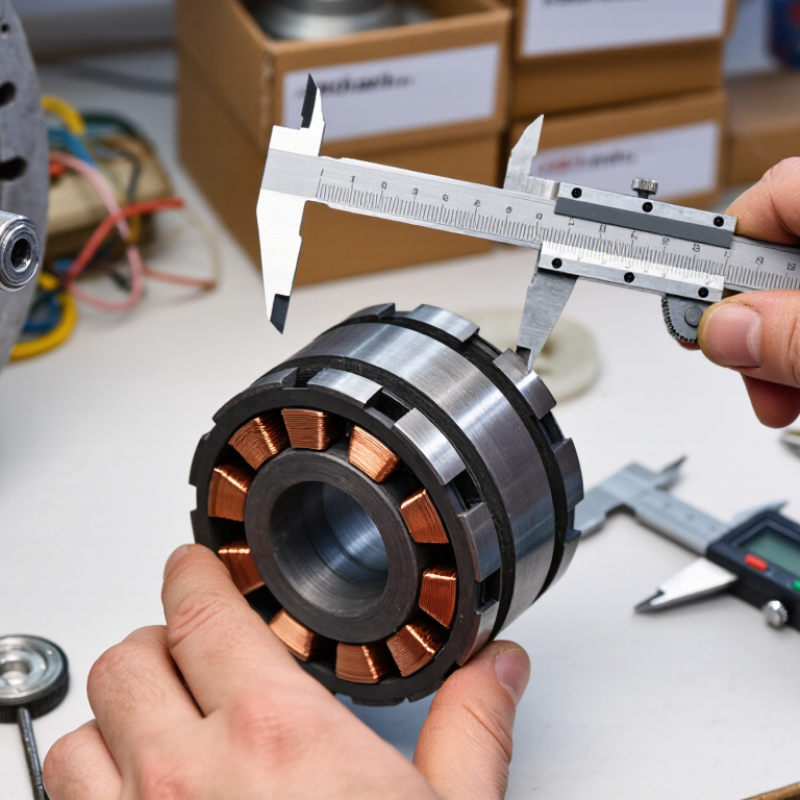
Table of Contents [Hide]
Understanding the Function of a Carbon Commutator
How to Choose the Right Carbon Commutator for Your Needs?
Understanding the Function of a Carbon Commutator
A carbon commutator helps transfer electrical current between stationary brushes and a motor’s rotating armature. Its segmented surface changes the direction of current in the windings as the rotor turns. That switching keeps the motor producing torque in a consistent direction. Small parts, important work.
The brushes maintain contact with the commutator while it spins. This contact creates friction and gradual wear, so material, surface finish, and segment dimensions matter. A commutator that does not match the motor can cause uneven contact, excess heat, or sparking. These signs may also point to worn brushes or another fault, so they should not be blamed on one part alone.
When assessing a replacement, check the motor’s specifications, including operating speed, electrical load, and commutator dimensions. The right carbon grade depends on the design and working conditions; harder is not automatically better. Dust, moisture, and frequent starts can affect service life, too. Measure carefully, and compare the component with the motor maker’s service information. In practice, an apparently close fit can still leave poor brush contact. That detail is easy to overlook.
Brands
Proudly Trusted by Top Suppliers Worldwide







Let us know and we will automate, together to fit your industrial needs.
 +91-97254 16844
Clients
Proudly Trusted by Top Companies Worldwide


Do you need Help? Get in touch.
X
Please fill out the form below and we will get back to you as soon as possible.