o
p
t
i
m
a
r
o
b
o
t
i
c
s

Make a Call


Make a Call
Blogs
How to Choose a Compact Transformer Substation?
Choosing a Compact Transformer Substation is a practical decision, not merely a purchase based on price or footprint. The right unit must fit electrical demand, site conditions, safety requirements, and future expansion plans. A substation that looks efficient on paper may struggle beside a dusty factory, coastal road, or crowded commercial building.
Transformer specialist Dr. J. C. Das offers a useful guiding principle: “A transformer must be selected for its duty, environment, and future load—not its nameplate alone.” This idea deserves attention. Engineers should examine rated power, voltage levels, impedance, cooling method, enclosure protection, and short-circuit withstand capacity. They should also verify ventilation, access clearance, noise limits, fire separation, and maintenance space. Small does not always mean simple.
This guide explains how to compare Compact Transformer Substation designs with greater confidence. It considers prefabricated construction, installation time, operating reliability, and lifecycle cost. Site measurements matter. So do cable routes, soil conditions, humidity, and local grid rules. A few overlooked centimeters can complicate installation. A low initial price can become expensive later.
Some choices remain imperfect. Load forecasts may change. Available data may be incomplete. Therefore, responsible selection includes engineering review, manufacturer documentation, and compliance checks against applicable standards. The best solution is not always the smallest enclosure. It is the one that delivers dependable power, safe access, and practical service throughout its expected working life.
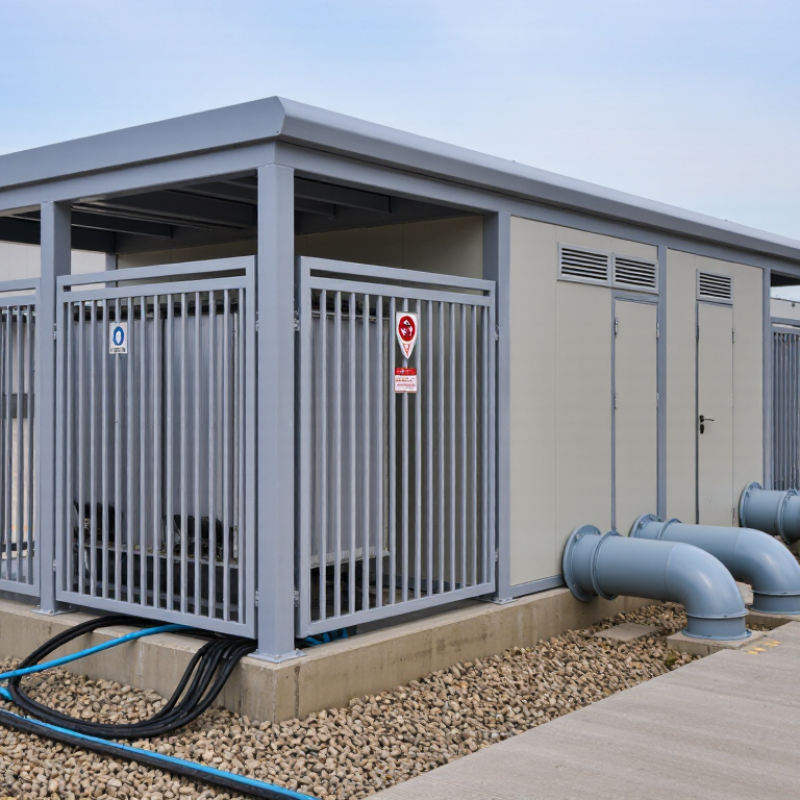
Table of Contents [Hide]
Define the Purpose and Operating Conditions of the Compact Transformer Substation
A compact transformer substation should begin with its purpose, not its enclosure size. Define whether it serves a workshop, apartment block, solar plant, or construction load. Record the normal load, starting currents, duty cycle, and acceptable voltage drop. A 500 kVA rating may look adequate, yet motors can create severe short-term stress. Peak demand matters. Also identify the supply voltage, frequency, earthing arrangement, and required fault withstand level. This prevents a convenient unit from becoming an operational limitation.
Operating conditions require equal attention. Confirm whether the substation will stand indoors or outdoors. Outdoor units may face rain, dust, salt air, sunlight, and accidental water exposure. Measure the expected ambient temperature and installation altitude. High temperatures reduce cooling performance, while poor ventilation can shorten transformer life. Check available space for cable bends, fire separation, inspection, and safe maintenance access. Do not guess.
A practical site survey should include noise limits, seismic conditions, flood risk, and future load growth. Protection settings must coordinate with upstream and downstream equipment. Review thermal calculations, enclosure protection, grounding design, and routine testing requirements. Applicable electrical standards and local regulations should guide the specification. A common mistake is treating future expansion as a simple percentage. New motors or electronic loads may change harmonics and fault behavior. The first survey is rarely complete, so verify assumptions with measured data before ordering.
Brands
Proudly Trusted by Top Suppliers Worldwide







Let us know and we will automate, together to fit your industrial needs.
 +91-97254 16844
Clients
Proudly Trusted by Top Companies Worldwide


Do you need Help? Get in touch.
X
Please fill out the form below and we will get back to you as soon as possible.