o
p
t
i
m
a
r
o
b
o
t
i
c
s

Make a Call


Make a Call
Blogs
2026 How to Choose the Right Drum Melter for Global Sourcing?
Choosing the right Drum Melter for global sourcing requires more than comparing prices and heating capacity. Different materials demand different melting temperatures, flow rates, drum sizes, and control methods. A unit designed for low-viscosity adhesives may perform poorly with asphalt, wax, resin, or high-density compounds.
The right decision begins with the material. Confirm its viscosity, softening range, thermal sensitivity, and required output. Then examine heating technology, insulation quality, pump design, temperature accuracy, and cleaning access. A reliable Drum Melter should provide stable heat without creating local hot spots. Those details matter on a busy production floor, where a blocked hose or unevenly heated drum can stop several operators at once.
Global sourcing adds another layer of responsibility. Buyers should verify supplier experience, factory quality systems, technical documentation, spare-part availability, and after-sales support. Electrical requirements, language settings, packaging strength, and delivery conditions also deserve attention. Certifications should be checked against the destination market and the equipment’s actual configuration.
There is no universal best model. Sometimes, buyers over-specify capacity and pay for unused features. In other cases, they select a low-cost machine that cannot maintain consistent temperature. That mistake is expensive. Practical trials, reference checks, and written performance requirements provide stronger evidence than attractive brochures. A careful comparison can reveal whether the machine is genuinely suitable, serviceable, and dependable for long-term international operations. The final choice should balance performance, safety, maintenance, total ownership cost, and supplier credibility. Hidden costs remain easy to miss.
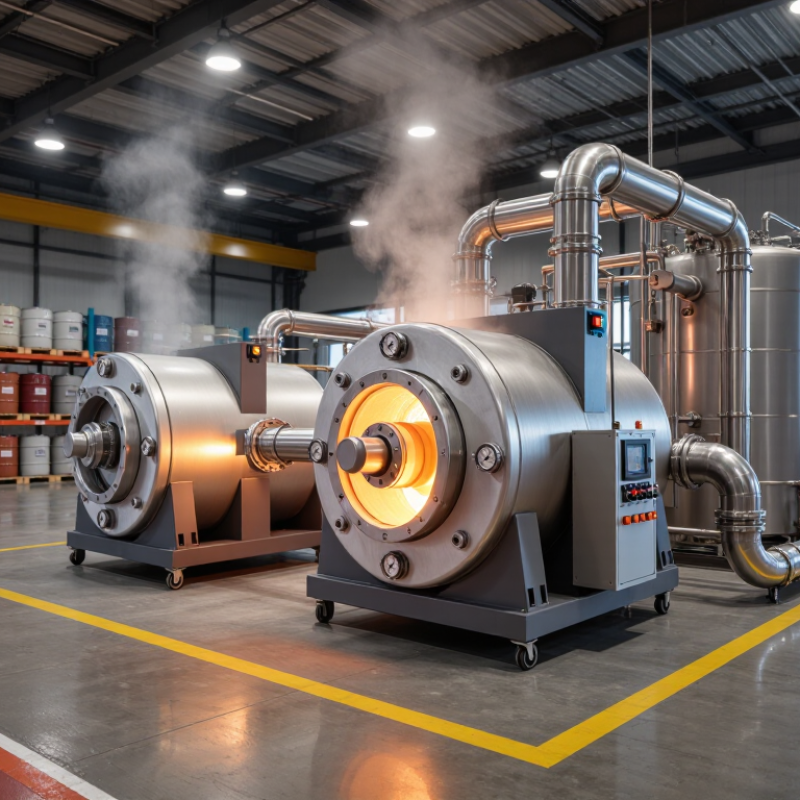
Table of Contents [Hide]
Define Drum Melter Types, Functions, and Industrial Applications
Choosing a drum melter in 2026 requires more than comparing heating power. The equipment must match the material, drum size, production rhythm, and site conditions.
Electric band melters Electric systems suit controlled heating near processing lines.
Jacketed drum melters Jacketed units provide gentler, more even heat for sensitive compounds.
Hydraulic tilting models Hydraulic models help move heavy, fully melted materials with less manual handling.
That difference matters.
A drum melter usually performs three jobs: heating, melting, and transferring. Operators should check temperature range, heating uniformity, pump compatibility, and discharge speed.
Thick adhesives may need positive-displacement pumps. Low-viscosity oils may require simpler gravity drainage. Insulation reduces heat loss around the drum, while a clear temperature display improves process control.
I have found that a powerful heater is not always better.
Excessive heat can darken resins, damage packaging, or create uneven viscosity.
Industrial applications include hot-melt adhesives, wax processing, rubber compounds, asphalt materials, sealants, and selected food-grade ingredients.
Each application needs different contact materials and cleaning procedures. Global sourcing also requires checking voltage, drum dimensions, safety guarding, documentation, and local electrical requirements.
A machine designed for one region may need modification elsewhere. Do not overlook spare seals and heating elements. Small parts can delay production.
Operators should test a sample drum before ordering at scale. That step feels slow, but it often reveals problems that specifications hide.
Brands
Proudly Trusted by Top Suppliers Worldwide







Let us know and we will automate, together to fit your industrial needs.
 +91-97254 16844
Clients
Proudly Trusted by Top Companies Worldwide


Do you need Help? Get in touch.
X
Please fill out the form below and we will get back to you as soon as possible.