o p t i m a r o b o t i c s

Blogs

How to Choose the Right Roll Coating Machine?

Choosing a Roll Coating Machine is a process decision, not just a purchase decision. The right system must match the material, coating chemistry, target thickness, and production speed. A thin adhesive layer on a flexible film behaves differently from a functional coating on metal or a battery electrode. Small variations matter. A slight change in web tension or roller pressure can affect uniformity across the finished roll.

The International Energy Agency’s Energy Efficiency 2023 report identifies industry as a major share of global energy use. That makes drying efficiency, heat recovery, and motor performance practical selection criteria—not minor upgrades. Buyers should also examine coating-width tolerance, viscosity range, roller materials, cleaning access, and changeover time. Ask suppliers for trial data using your own substrate and formulation. Request measured results for coating weight variation, line speed, waste, and energy use. Brochures rarely show the whole operating picture.

There is no universal best machine. A system optimized for high-volume production may be a poor fit for frequent product changes. And a specification can look convincing on paper. It may still miss a real production constraint. Before choosing, compare the machine’s demonstrated performance with your required output, maintenance capacity, and future product plans. This guide explains how to assess those trade-offs and select a Roll Coating Machine with evidence, not assumptions.
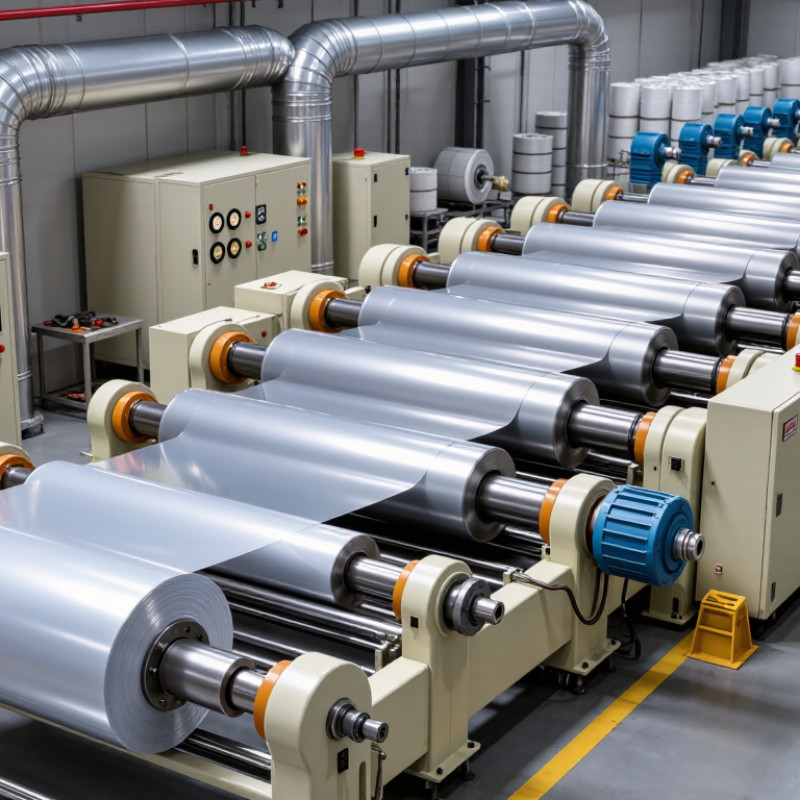
How to Choose the Right Roll Coating Machine?

Understanding Roll Coating Machines and Their Applications

Roll coating machines apply a controlled liquid layer to a moving web, such as paper, polymer film, metal foil, or textile. A metering roll regulates how much coating transfers; the substrate then passes through drying or curing. Common uses include adhesive tapes, release liners, decorative films, battery materials, and protective layers. The required machine depends on the coating’s viscosity, target thickness, line speed, and substrate sensitivity.

Different roll arrangements suit different jobs. Reverse-roll systems can deliver smooth, thin layers, while gravure rolls use engraved cells to meter liquid onto the web. Operators must also manage tension and alignment: a wrinkle near the coating head can create uneven coverage across the finished roll. That detail matters. Grand View Research valued the global paints and coatings market at about $206.6 billion in 2023, reflecting broad demand for coated products, though not every application uses roll coating.

Energy materials offer another example. The International Energy Agency’s Renewables 2023 report estimated roughly 510 gigawatts of renewable capacity additions in 2023, with solar photovoltaic power accounting for about three-quarters. Some related components use coated films or layers, but the report does not measure roll-coating equipment demand. For a real equipment choice, test the actual liquid and substrate at production speed. A neat laboratory sample can still mislead; edge beading or drying marks may appear only on a wider, faster line.

Defining Material, Coating, and Production Requirements

A roll coater should be selected around the web it must run, not a catalog’s maximum speed. Record substrate type, width, thickness, stiffness, and heat tolerance before comparing machines. A 40-micron PET film behaves differently from absorbent paper or stretch-prone polyethylene. Check surface energy and incoming roll variation; both can affect wetting and edge quality. Ask operators to test the actual substrate, not a convenient substitute. That test matters. Measure coating viscosity, solids, target coat weight, and whether the layer must be continuous or patterned. Specify coat weight in g/m² and allowable variation, then define drying limits for the material. Guesswork gets expensive.

Production needs deserve equal attention. State usable web width, target line speed, shifts per week, roll-change time, and expected changeovers. The Flexible Packaging Association’s 2023 State of the U.S. Flexible Packaging Industry report estimated 2022 U.S. sales at $42.9 billion. That market figure signals scale, not the capacity any one plant needs. Use your own order mix and scrap records to calculate required good output per hour. Include downtime and cleaning; a fast coater can still miss delivery targets. Request a trial with production-grade material and measure defects, drying, and changeover time. Leave room for adjustment.

Comparing Machine Types and Technical Specifications

Roll coating machines differ in how they transfer liquid and control film thickness. Direct-roll systems suit steady, uniform applications on paper, film, and metal strip. Reverse-roll machines use opposing roll directions, offering finer control for thin coatings, though setup can be less forgiving. Kiss coaters touch the web lightly and work well when low liquid pickup matters. The right type depends on the material, coating viscosity, target weight, and production speed—not just the desired finish.

Compare usable web width and line speed with your actual production range, including slow runs and changeovers. Check roll diameter, surface finish, hardness, and adjustment range; these affect contact and coating consistency. A narrow gap may improve control, but it can also magnify runout or alignment errors. Ask how the machine handles web tension, edge guiding, cleaning, and quick changes between formulations. Small details matter. A cleanable pan can save time between batches. Drying capacity also matters: a coater may reach its rated speed while the wet layer still needs more time to cure. Request trials with your substrate and liquid, then inspect coat weight across the web. Specifications help, but they rarely tell the whole story. A test may expose uneven edges—or a setup choice you would reconsider.

How to Choose the Right Roll Coating Machine? — Comparing Machine Types and Technical Specifications

Typical configurations and indicative operating ranges for roll-to-roll coating applications.
Machine Type Coating Method Typical Wet Film Thickness Typical Line Speed Suitable Coating Viscosity Suitable Materials and Applications Main Advantages Key Considerations
Direct Gravure Coater An engraved roll picks up coating from a pan and transfers it directly to the moving web. Approximately 2–50 µm Approximately 10–300 m/min Low to medium; commonly about 10–1,000 mPa·s Films, paper, foil, labels, primers, inks, and thin functional coatings. High-speed operation; repeatable coating weight; well suited to thin, uniform layers. Engraved-roll pattern and cell volume must match the coating and target coat weight. Cleaning and roll selection affect changeover time.
Reverse Roll Coater Two or more rolls meter the liquid; the applicator roll rotates against the web direction at the coating nip. Approximately 5–150 µm Approximately 5–150 m/min Low to medium; commonly about 50–5,000 mPa·s Flexible packaging films, metal foils, pressure-sensitive adhesives, and specialty coatings. Precise film metering and good uniformity; suitable for a broad range of coating weights. Requires careful control of roll speed ratio, nip pressure, web tension, and alignment. Setup is more involved than simple kiss coating.
Kiss Roll Coater An applicator roll lightly contacts the web and transfers coating from a pan or feed system. Approximately 5–100 µm Approximately 5–200 m/min Low to medium; commonly about 10–2,000 mPa·s Paper, nonwovens, textiles, films, and applications needing one-sided coating. Relatively simple construction; lower mechanical complexity; useful for continuous, one-sided application. Coat weight can be sensitive to liquid level, roll speed, web tension, and substrate absorbency. Less precise than a well-controlled metering system.
Three-Roll Offset Coater A metering roll controls the film on a transfer roll, which applies it to the web. Approximately 5–150 µm Approximately 5–100 m/min Medium to high; commonly about 500–50,000 mPa·s Adhesives, silicone coatings, protective layers, and coatings on films, foils, or paper. Handles more viscous materials; provides adjustable metering and stable coating under suitable conditions. Roll gaps, surface finish, temperature, and viscosity require close control. The system may need more frequent cleaning when coatings cure or dry quickly.
Comma-Roll Coater A rotating roll feeds material to the web, while a fixed rounded blade meters the coating layer. Approximately 20–500 µm Approximately 1–50 m/min Medium to high; commonly about 1,000–100,000 mPa·s Thick adhesive layers, battery-electrode slurries, films, fabrics, and other heavy coatings. Can apply relatively thick layers; adjustable gap supports a wide range of coating weights. Not generally the first choice for very thin, high-speed coatings. Blade condition, gap uniformity, slurry stability, and web support are important.
Precision Multi-Roll Coater Several rolls meter and transfer the coating in stages; roll arrangement varies by process. Approximately 5–200 µm Approximately 2–100 m/min Low to high, depending on roll arrangement and process design Technical films, optical layers, battery materials, specialty papers, and demanding adhesive applications. Flexible process control; can support tight coat-weight targets and specialized coating sequences. Higher equipment and commissioning complexity. Specifications depend strongly on roll configuration, substrate, coating chemistry, and required tolerances.

Selection note: Figures are indicative industry ranges, not guaranteed machine limits. Actual performance depends on coating formulation, substrate, roll diameter and surface, web width, drying or curing capacity, and the required coat-weight tolerance. Confirm the operating window with application trials before selecting a machine.

Evaluating Automation, Maintenance, Safety, and Operating Costs

Choosing a roll coating machine requires more than comparing rated output. Automation should fit the production mix. Frequent recipe changes may favor accessible controls and quick changeovers over maximum line speed. Ask whether operators can set coating gap, web tension, and drying temperature without repeated trial runs. For steady, long runs, automatic feeding and tension control can reduce scrap and operator intervention. Added sensors may also increase training and repair needs. Small batches matter. Calculate cost per usable coated meter, including setup labor, energy, cleaning materials, and expected downtime.

Maintenance access affects whether routine work takes minutes or stops a shift. Check how easily staff can reach rollers, remove dried residue, and inspect seals. Ask about replacement-part lead times and whether common adjustments require specialized tools. Safety needs practical inspection too: look for guarded nip points, clear emergency stops, and safe access for cleaning. Downtime is costly. Estimate costs using realistic shift patterns, not ideal running conditions. These estimates are imperfect; trial runs with your actual coating material can expose waste, cleaning time, and operator needs that a sales specification may miss.

How to Choose the Right Roll Coating Machine?

Example evaluation weights for automation, maintenance, safety, and operating costs

These sample weights add up to 100% and are a planning starting point, not an industry benchmark. Adjust them to your production volume, staffing, safety requirements, service capability, and expected total cost of ownership.

Validating Machine Performance for Your Production Line

How to Choose the Right Roll Coating Machine?

Validating Machine Performance for Your Production Line

A machine’s brochure speed means little if coating weight shifts across a 1.2-meter web. Test with your actual substrate, coating, and target line speed. Record wet and dry coat weight, cross-web uniformity, tension, edge quality, and changeover time. Run long enough to reveal heat buildup or gradual drift. Small changes matter. Deloitte’s 2025 Smart Manufacturing Survey found that 92% of 600 executives expect smart manufacturing to drive competitiveness within three years. For a coating line, useful data begins with stable, repeatable measurements—not dashboards alone.

Compare trial results with your process tolerances, then repeat the test after a planned stop and restart. Check whether operators can reproduce settings without relying on one specialist. Log rejected material and cleaning time, too; they affect usable output. A qualification run is imperfect evidence: one successful batch cannot represent every material lot or shift. That is a reason to test again, not to dismiss the result. ISO 22400-2 offers a consistent framework for tracking availability, performance, and quality as operational indicators.

Tips: Ask for a witnessed production trial using your own materials. Keep the raw measurements, including outliers, and agree on pass criteria before testing.

Brands

Proudly Trusted by Top Suppliers Worldwide

Let us know and we will automate, together to fit your industrial needs.

Clients

Proudly Trusted by Top Companies Worldwide

Do you need Help? Get in touch.

X

Please fill out the form below and we will get back to you as soon as possible.

    Subscribe our newsletter & get updates







