o
p
t
i
m
a
r
o
b
o
t
i
c
s

Make a Call


Make a Call
Blogs
What Are Circuit Breaker Parts and How Do They Work?
Circuit breakers protect electrical systems by interrupting current when danger appears. Their operation may seem simple, but each internal component has a specific purpose. Circuit Breaker Parts include contacts, trip units, arc chutes, terminals, springs, and insulated housings. Together, they detect faults and create a controlled opening in the circuit.
The contacts carry normal current through metal connection points. When an overload or short circuit occurs, the trip unit releases the operating mechanism. The contacts then separate quickly. An arc may form between them. The arc chute divides, cools, and extinguishes that electrical discharge. This action helps prevent heat, fire, and equipment damage.
The mechanism must work fast. It must also close reliably after a qualified inspection. Thermal-magnetic breakers respond to different fault conditions. Electronic trip units can provide more precise monitoring and adjustable protection. Terminals connect the breaker to conductors, while the enclosure provides insulation and physical protection. Small parts matter.
In practical maintenance, technicians check loose terminals, discoloration, unusual smells, and damaged insulation. These details can reveal overheating before failure occurs. However, visual inspection cannot confirm every internal condition. That limitation deserves attention. Manufacturers use different designs, ratings, and terminology, so parts should match the exact breaker model. Product documentation and applicable standards remain essential references. A trained professional should verify installation, testing, and replacement decisions. This guide explains how common Circuit Breaker Parts work, while recognizing that real systems require careful measurement, proper tools, and responsible judgment.
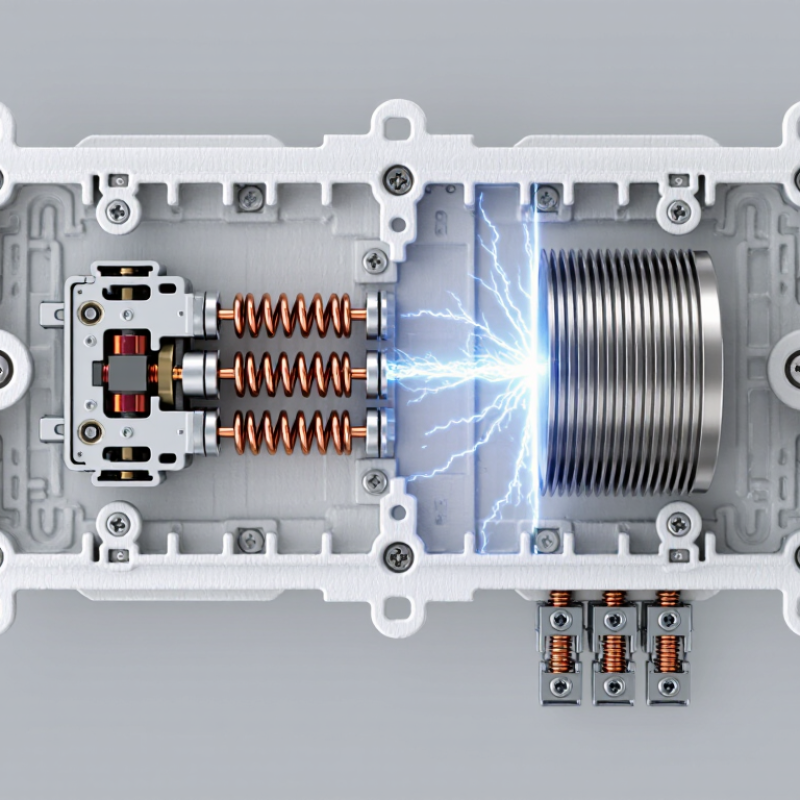
Table of Contents [Hide]
Circuit Breaker Parts: Names, Functions, and Basic Structure
What Are Circuit Breaker Parts and How Do They Work?
A circuit breaker has several parts working together inside a compact enclosure. The line terminal receives incoming power, while the load terminal sends protected power onward. Movable and fixed contacts carry current during normal operation. When a fault occurs, the trip unit detects excessive current and releases the operating mechanism. The handle then moves, and the contacts separate quickly.
Common trip units include thermal-magnetic and electronic designs. A thermal element responds to prolonged overloads, while a magnetic element reacts to sudden short-circuit current. An arc chute divides and cools the electrical arc after contact separation. The enclosure provides insulation and mechanical protection. In field inspections, technicians also check terminal tightness, contact wear, and signs of overheating. The neat diagram is not the whole story. Real panels are less tidy.
Tips: Turn power off before inspection, and verify isolation with a suitable tester. Never judge condition by the handle position alone. A breaker can look normal while its terminals show heat damage. Match the breaker’s rating with the conductor size and installation requirements. When uncertain, use the equipment documentation and ask a qualified electrician. One small mistake matters.
Brands
Proudly Trusted by Top Suppliers Worldwide







Let us know and we will automate, together to fit your industrial needs.
 +91-97254 16844
Clients
Proudly Trusted by Top Companies Worldwide


Do you need Help? Get in touch.
X
Please fill out the form below and we will get back to you as soon as possible.