o
p
t
i
m
a
r
o
b
o
t
i
c
s

Make a Call


Make a Call
Blogs
Top 10 Garden Sun Screen Netting Types for Buyers
Choosing Garden Sun Screen Netting is not just a matter of picking the darkest mesh. The right option depends on your plants, climate, and garden layout. A vegetable bed may need filtered light, while a patio or greenhouse can benefit from denser coverage. Small details matter.
This guide compares ten common netting types, including knitted and woven options, different shade levels, and materials designed for varied outdoor conditions. It explains what buyers can check: mesh density, dimensions, UV-treatment information, edge reinforcement, and how the netting attaches to posts or frames. A close look at the label helps, but product descriptions do not always make comparisons easy.
Think about wind, too. A large, tightly fitted screen can catch gusts, so secure fixing points and sensible sizing are important. Consider whether you need seasonal shade, a movable cover, or longer-term protection. Each choice has trade-offs. There is no single best net for every garden, and shade percentages alone cannot predict how plants will respond. Local sunlight, airflow, and watering habits also affect results. The following overview offers practical points for comparing products, while leaving room for a little trial and adjustment in your own space.
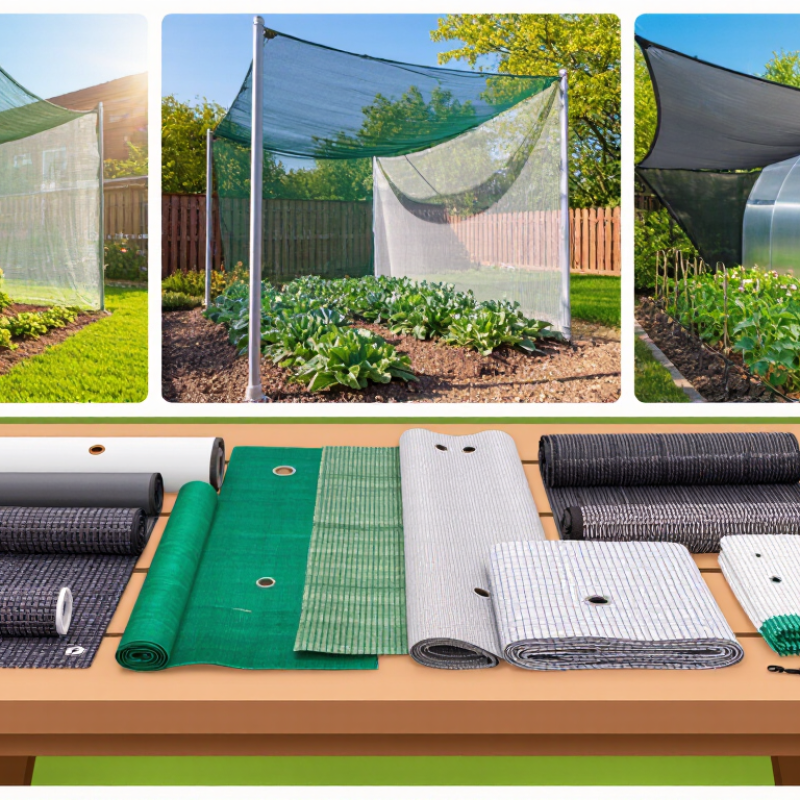
Table of Contents [Hide]
Understanding Garden Sun Screen Netting and Its Garden Uses
Garden sun screen netting is a breathable cover that reduces direct sunlight reaching plants. It can help limit leaf scorch and midday heat stress, especially in exposed beds or small greenhouses. It is not the same as insect netting. Shade cloth has openings designed for airflow and light control; fine insect mesh is chosen to block particular pests.
Common options include knitted or woven netting, different shade levels, and reflective or colored fabrics. Choose by observing the garden: leafy greens may benefit from more shade during hot spells, while tomatoes and peppers still need plenty of light. There is no perfect percentage for every crop or climate. That part is easy to misjudge.
Use netting over a frame rather than laying it directly on delicate leaves. Leave space for air to move, and secure the edges so gusts do not lift the cover. Check plants at midday and again after several days. If growth becomes pale or stretched, too much light may be blocked; if leaves still curl in strong sun, the cover may be too light. Netting can also make watering less predictable, since rainfall may not pass through evenly. One small detail, often overlooked.
Brands
Proudly Trusted by Top Suppliers Worldwide







Let us know and we will automate, together to fit your industrial needs.
 +91-97254 16844
Clients
Proudly Trusted by Top Companies Worldwide


Do you need Help? Get in touch.
X
Please fill out the form below and we will get back to you as soon as possible.