o
p
t
i
m
a
r
o
b
o
t
i
c
s

Make a Call


Make a Call
Blogs
What Is a 3D Printing Machine and How Does It Work?
A 3d Printing Machine turns a digital model into a physical object, layer by layer. It does not carve material from a solid block. Instead, it deposits, cures, or fuses material along carefully planned paths. The result may be a plastic bracket, a dental model, or a metal aerospace component.
The process begins with a computer-aided design file. Specialized software slices that model into hundreds of thin horizontal layers. The machine then reads each layer and builds the object from the base upward. A filament printer may heat thermoplastic through a narrow nozzle. A resin printer uses controlled light to harden liquid polymer. Industrial systems can melt powdered metal with a laser.
The details matter. Nozzle temperature, layer height, cooling, and bed alignment can change the final surface. A small calibration error may create weak corners or visible seams. That reality is easy to underestimate. As 3D-printing researcher Hod Lipson has said, “3D printing is a technology that can make almost anything.” The phrase captures its promise, but not every design is practical, strong, or economical. Material limits still matter.
This guide explains what a 3d Printing Machine is, how its main systems work, and why different printing methods produce different results. It also considers accuracy, speed, maintenance, and responsible use. Seeing the process clearly helps users choose equipment wisely. It also reveals where expectations need adjustment.
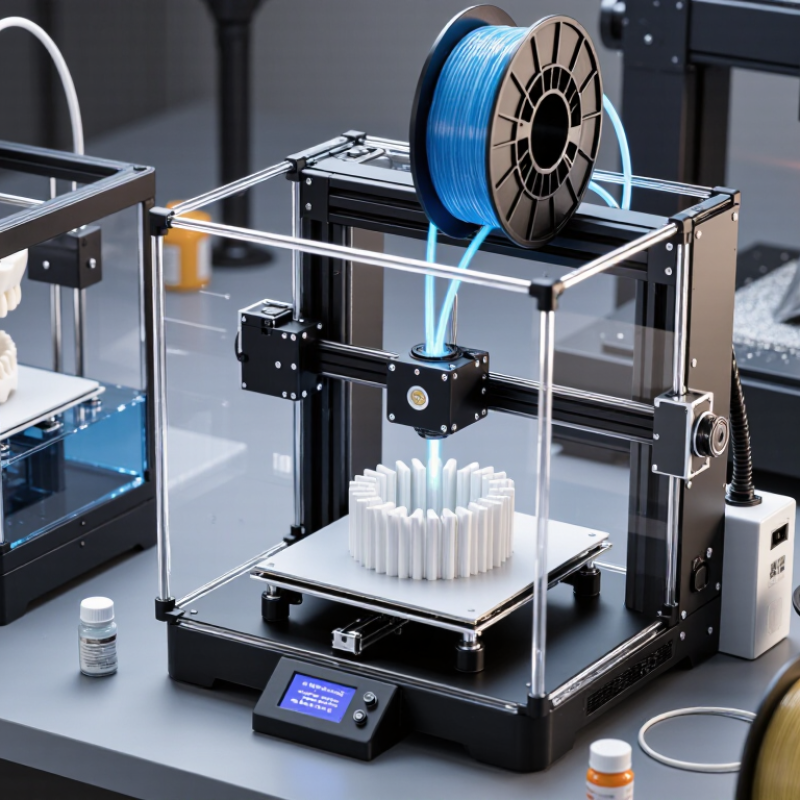
Table of Contents [Hide]
What Is a 3D Printing Machine?
A 3D printing machine is a device that creates physical objects from digital designs. It builds the object layer by layer, rather than cutting it from a solid block. ISO/ASTM 52900 describes this process as joining materials to form parts from three-dimensional model data. Common materials include plastic, resin, metal powder, and ceramic compounds.
The machine reads a digital file, usually converted into thin cross-sectional layers. A control system then deposits, cures, or fuses material along programmed paths. Each layer may be thinner than a human hair, depending on the process and application. According to the Wohlers Report 2024, the global additive manufacturing industry reached approximately 20.0 billion US dollars in 2023, growing 13.5 percent from the previous year. This growth reflects wider use in engineering, healthcare, education, and customized production.
Tips: Check the material before printing. Heat resistance, strength, and surface finish can differ sharply. Keep the build platform level and inspect the first layers closely. Small errors matter. A 3D printer is not automatically fast or waste-free; failed prints, support structures, and post-processing can increase costs. I once underestimated cooling time, and the part warped near its base. That mistake showed why machine settings need testing, not assumptions.
Brands
Proudly Trusted by Top Suppliers Worldwide







Let us know and we will automate, together to fit your industrial needs.
 +91-97254 16844
Clients
Proudly Trusted by Top Companies Worldwide


Do you need Help? Get in touch.
X
Please fill out the form below and we will get back to you as soon as possible.