o
p
t
i
m
a
r
o
b
o
t
i
c
s

Make a Call


Make a Call
Blogs
How to Choose the Right Acrylic Topcoat?
Choosing an Acrylic Topcoat is not simply a color decision. The right product must suit the substrate, existing coating, exposure, and intended finish. A satin sample may look smooth under showroom lights, then reveal roller marks beside a bright window. Small details matter.
Coatings author Charles R. Martens is known for practical, formulation-focused writing. The following is an editorial paraphrase of that approach, not a verbatim quotation: “Match the coating to the surface and service conditions, not appearance alone.” That principle offers a useful starting point. Check the product’s technical data sheet for substrate compatibility, preparation requirements, application temperature, recoat time, and expected performance. Claims on a label are helpful, but they do not replace a small adhesion test on the actual surface.
This guide will help compare water-based and solvent-based options, sheen, durability, and application needs. It will also explain when a clear topcoat makes sense and when it may change the underlying color. Test before committing. One easy-to-miss detail is cure time: a surface can feel dry while remaining vulnerable to scratches or cleaners. Results depend on preparation and conditions, so no single Acrylic Topcoat suits every project. Even careful selection leaves room for surprises. A trial patch is often the most useful evidence.
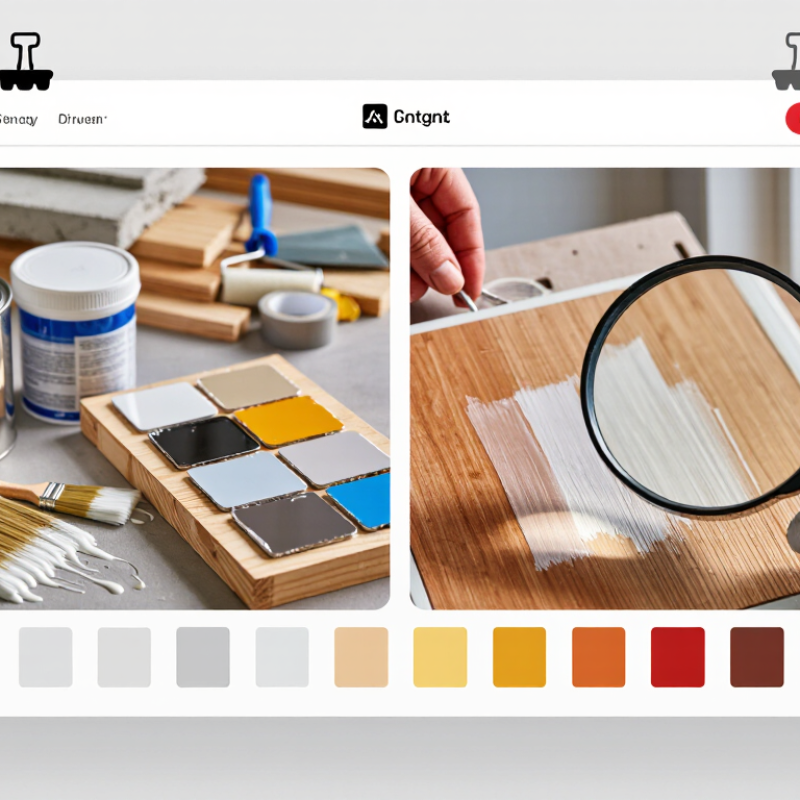
Table of Contents [Hide]
Identify the Surface and Existing Coating
Before choosing an acrylic topcoat, identify the surface: bare wood, masonry, metal, or a previously painted finish. Each needs different preparation. Look for rust, peeling edges, powdery chalk, and glossy patches. These clues matter. A topcoat may adhere poorly if the old layer is loose, contaminated, or chemically incompatible. The NACE IMPACT study estimated corrosion costs at US$2.5 trillion per year, or 3.4% of global GDP. That figure covers many industries, but it underlines why rust should be addressed before coating.
Check the existing coating in a discreet area. Clean it, let it dry, and inspect for softening or lifting after a small compatibility test. For adhesion, ASTM D3359 provides a standardized tape-test method; results still depend on the coating and surface. A visual inspection alone can miss trouble. I have seen sound-looking paint conceal a weak layer beneath it, so allow time for a test patch to dry fully.
Tips: Photograph the surface, note its material, and record any peeling or chalking. Remove loose coating and contaminants before testing. Follow the topcoat maker’s preparation guidance; if the old coating is unknown, do not assume compatibility. A small test patch can save a larger repair.
Brands
Proudly Trusted by Top Suppliers Worldwide







Let us know and we will automate, together to fit your industrial needs.
 +91-97254 16844
Clients
Proudly Trusted by Top Companies Worldwide


Do you need Help? Get in touch.
X
Please fill out the form below and we will get back to you as soon as possible.