o
p
t
i
m
a
r
o
b
o
t
i
c
s

Make a Call

Make a Call
Blogs
How to Choose the Right Cable Gland in 2026?
In 2026, choosing a Cable Gland is less about picking a metal fitting from a catalog. It is about matching the cable, enclosure, and working conditions. Small mismatches matter. A gland that fits the thread may still grip the cable poorly, admit moisture, or fail to manage armor correctly.
Start with the cable’s actual outside diameter, not a nominal size copied from an old drawing. Check the enclosure entry thread, cable construction, and available installation space. Then consider exposure to water, dust, vibration, temperature changes, oils, or sunlight. For armored cable, confirm that the gland design suits the armor type and provides the intended bonding or earthing path. For unarmored cable, strain relief and sealing may matter more. No single material or protection rating is right for every job. Details count.
A good selection also depends on the equipment maker’s instructions and the gland manufacturer’s tested specifications. Compare the stated ingress protection, temperature range, materials, and approved cable range; do not infer performance from appearance alone. In demanding locations, verify that certifications and installation methods match project requirements. Field conditions can be untidy. Cable jackets vary, and installers sometimes work with limited clearance, so a paper match deserves a physical check. I would not treat a familiar brand as a substitute for measurement. Measure it. The right choice is the one that fits securely, seals as intended, and remains serviceable after installation. A careful check now can prevent loose entries, damaged jackets, and avoidable maintenance later.
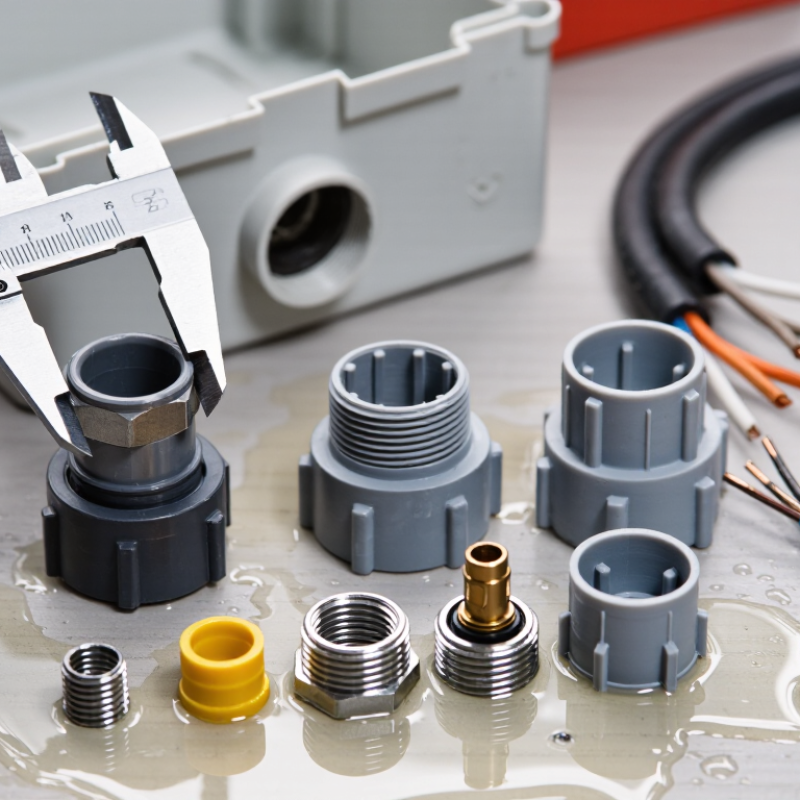
Table of Contents [Hide]
Identify the Cable Type, Diameter, and Installation Requirements
Start with the cable itself. Check whether it is unarmoured, braided, or steel-wire armoured, then measure its outside diameter across the jacket. Use the actual cable, not just a catalogue figure: jacket thickness and ovality can affect the seal. Measure it twice. Match the gland’s clamping range to the measured diameter, and confirm that its entry thread fits the enclosure. IEC 62444:2013 sets requirements and test methods for cable glands, making it a useful technical reference when comparing selection details.
Installation conditions matter just as much. For dust or water exposure, specify the required ingress protection rather than choosing by appearance. Under IEC 60529, IP6X denotes dust-tight protection, while IPX7 covers temporary immersion under defined test conditions; neither rating guarantees suitability for every cleaning method. Check temperature, UV exposure, chemicals, vibration, and strain relief, too. In a damp outdoor junction box, for example, a correctly sized seal may still fail if the gland material is incompatible with the cable jacket. That detail is easy to overlook. Also verify bonding and earthing requirements for armoured cable, and follow the equipment documentation and applicable installation standards.
Brands
Proudly Trusted by Top Suppliers Worldwide






Let us know and we will automate, together to fit your industrial needs.
 +91-97254 16844
Clients
Proudly Trusted by Top Companies Worldwide


Do you need Help? Get in touch.
X
Please fill out the form below and we will get back to you as soon as possible.