o
p
t
i
m
a
r
o
b
o
t
i
c
s

Make a Call


Make a Call
Blogs
How to Choose a Pudu Robot in 2026?
Choosing a pudu robot in 2026 requires more than comparing prices or advertising claims. The right model must fit your venue, staffing pattern, floor plan, and service expectations.
The International Federation of Robotics reported approximately 205,000 professional service robots sold worldwide in 2023, representing around 30% annual growth. Hospitality robots formed one of the strongest segments, with demand driven by restaurants, hotels, and healthcare facilities. These figures show momentum. They do not guarantee a successful deployment.
Pudu Robotics founder and CEO Felix Zhang has described the company’s mission as “using robots to enhance human life.” That principle offers a useful test: does the robot reduce repetitive work while improving customer experience? A reliable pudu robot should navigate crowded aisles, carry the required load, return to charge independently, and integrate smoothly with daily operations. Battery life matters. So do noise levels, cleaning requirements, software updates, and local service support.
This guide will compare practical selection factors for 2026, including payload, mapping, obstacle avoidance, fleet management, and total ownership cost. It will also examine popular Pudu models for restaurants, hotels, hospitals, and retail environments. Real conditions can be messy. Tables move, children interrupt routes, and wireless signals fail. A showroom demonstration may hide these weaknesses.
That is why buyers should request a site trial, measure delivery times, and interview existing users. Industry growth is encouraging. Still, the cheapest robot may become the most expensive choice after maintenance, training, and downtime are included.
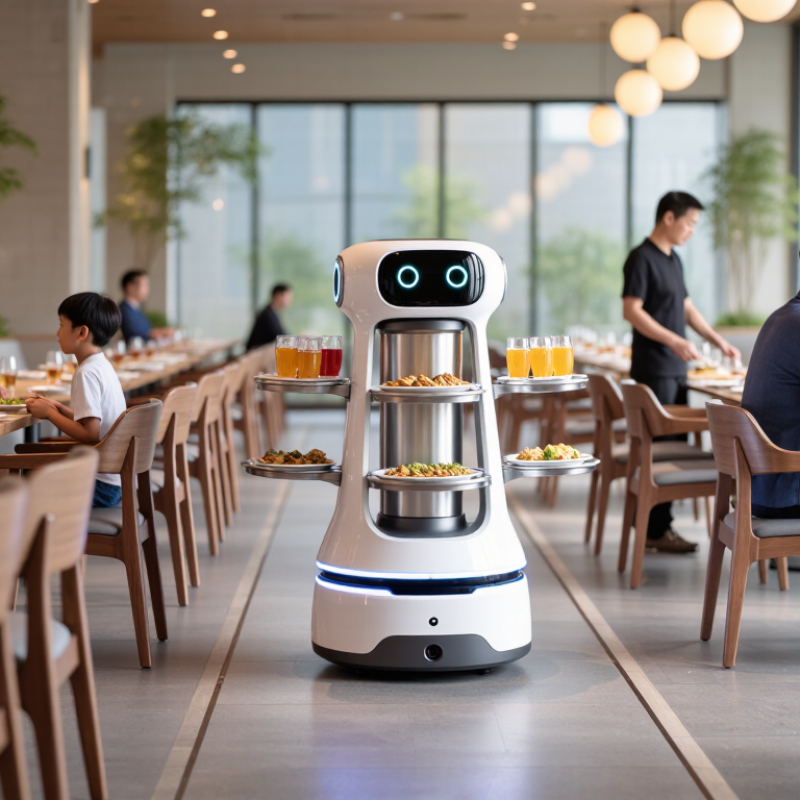
Table of Contents
[Hide]
What Is a Pudu Robot and What Tasks Can It Perform?
A commercial indoor service robot is a mobile machine designed to handle routine tasks in places such as restaurants, hotels, and care facilities. It typically combines wheels, sensors, mapping software, and shelves or a work surface. Sensors help it detect people and obstacles, while a mapped route guides it between set locations. Not magic. Staff still need to load it and keep its path clear.
Depending on its design, a service robot can carry meals from a kitchen to dining tables, move supplies between hotel floors, or transport trays to a collection point. Some models are built for floor cleaning, while others support reception or delivery workflows. A robot may follow scheduled routes or respond to staff requests through a screen or connected system. Its useful tasks depend on the site, its layout, and the payload it can safely carry.
Before choosing one, observe a normal shift: narrow aisles, crowded tables, and elevator access can change how well a route works. Check battery life, cleaning needs, navigation performance, and how easily workers can request help. A robot can reduce repetitive walking, but it will not resolve a poorly organized workflow by itself. I would test it during a busy service period; quieter demonstrations can hide awkward turns and delays.
Related Posts
-
How Pudu Robots Are Transforming the Hospitality Industry with Cutting Edge Automation Solutions
-
How to Use Pudu Robot for Efficient Delivery and Service Solutions?
-
Unlocking the Future of Robotics Engineering Through Innovative Learning Approaches
-
How to Choose a Reliable Robotics Website?
-
China Best Universal Robots Software for Global Buyers
-
2026 Best Universal Robots Cobot Innovations for Collaborative Workspaces?
Brands
Proudly Trusted by Top Suppliers Worldwide



Let us know and we will automate, together to fit your industrial needs.
 +91-97254 16844
Clients
Proudly Trusted by Top Companies Worldwide


Do you need Help? Get in touch.
X
Please fill out the form below and we will get back to you as soon as possible.