o
p
t
i
m
a
r
o
b
o
t
i
c
s

Make a Call


Make a Call
Blogs
How to Choose the Right Quartz Reactor for Your Needs?
Choosing the right Quartz Reactor begins with understanding your process, not simply selecting the largest vessel. A reactor may look suitable in a catalog, yet fail under real operating conditions. Consider the working wavelength, temperature range, pressure, liquid volume, and chemical compatibility. These factors influence reaction stability and equipment life. Clear quartz supports excellent light transmission, while opaque or coated designs may suit thermal processes better. Measure twice.
In practical laboratory and pilot-scale work, reactor geometry can change mixing, irradiation, and heat transfer. A narrow tube may improve light exposure, but it can restrict cleaning and material loading. A wider chamber offers easier access, though it may create uneven temperature zones. Check the quartz wall thickness, flange design, seals, ports, and connection materials. Weak fittings can undermine a strong reactor body. Small details matter.
Reliable selection also requires traceable specifications and honest communication with the manufacturer. Ask for temperature limits, dimensional tolerances, surface quality, and inspection records. Confirm whether the design supports your cleaning method and expected operating cycles. Do not rely only on attractive photographs or broad performance claims. They can hide practical limitations. A perfect choice rarely exists. The best Quartz Reactor balances safety, process control, maintenance, budget, and future expansion. Review your assumptions before ordering, because an overlooked detail can become an expensive lesson.
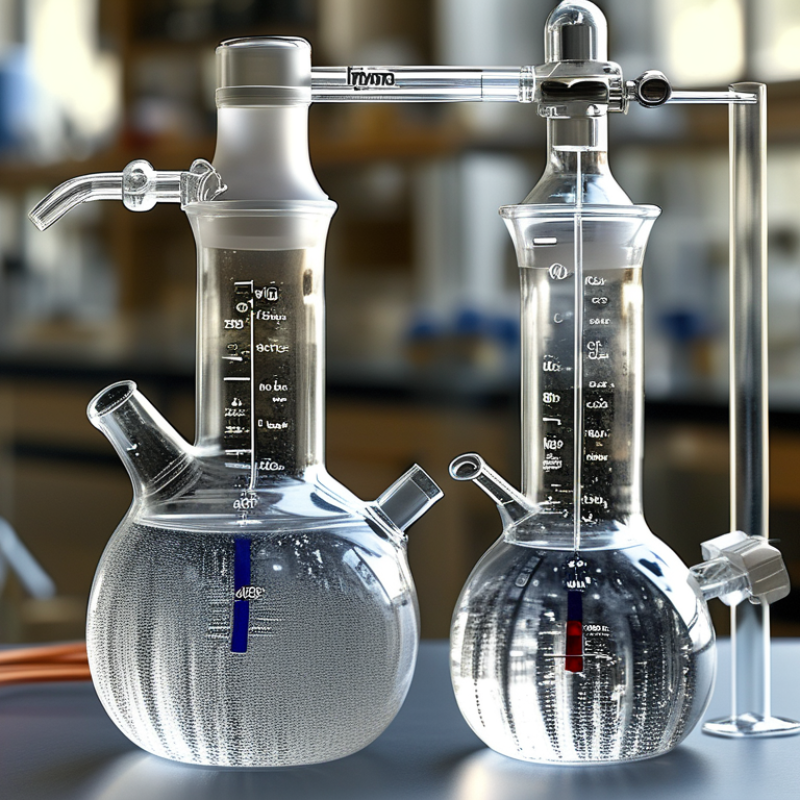
Table of Contents [Hide]
Define the Process Requirements for Your Quartz Reactor
How to Choose the Right Quartz Reactor for Your Needs?
Define the Process Requirements for Your Quartz Reactor
Choosing a quartz reactor should begin with the process, not the vessel shape. Define the reaction temperature, pressure, volume, and operating time. These details determine the quartz grade, wall thickness, and reactor geometry. Quartz handles high temperatures well, but it is not suitable for every chemical environment. Check compatibility with acids, solvents, gases, and cleaning agents before finalizing the design.
Consider how materials will enter and leave the reactor. A batch process may need a wide opening and simple sampling port. A continuous process requires controlled flow, stable residence time, and reliable connections. Light-driven reactions also need clear optical paths and a specified wavelength range. In practical testing, small dead zones can affect results more than expected. That detail is easy to miss. It deserves review.
Tips: Record normal and worst-case conditions separately. Include pressure spikes, rapid heating, cooling cycles, and cleaning procedures. Ask whether the reactor will be inspected manually or monitored with sensors. Use documented material data and verified calculations when sizing ports, seals, and supports. A perfect specification is rarely achieved on the first attempt. Recheck every assumption with the operators who will use the reactor.
Brands
Proudly Trusted by Top Suppliers Worldwide







Let us know and we will automate, together to fit your industrial needs.
 +91-97254 16844
Clients
Proudly Trusted by Top Companies Worldwide


Do you need Help? Get in touch.
X
Please fill out the form below and we will get back to you as soon as possible.