o
p
t
i
m
a
r
o
b
o
t
i
c
s

Make a Call


Make a Call
Blogs
How to Choose the Right Walk In Humidity Chamber?
Choosing the right Walk In Humidity Chamber affects test accuracy, product development, and long-term operating costs. The decision involves more than chamber size or advertised temperature ranges. A reliable selection begins with your actual test profile, including temperature cycles, humidity levels, product volume, loading frequency, and required recovery time.
The right chamber is rarely the largest one. A chamber must fit pallets, fixtures, cables, and operators without restricting airflow. For example, a tightly packed rack can create uneven humidity around products during an 85°C/85% RH test. Door size, floor loading, lighting, drainage, and internal materials also deserve practical attention. These details often appear minor until daily testing begins. I have seen specifications look impressive while service access remained awkward.
Technical credibility matters. Compare sensor accuracy, control stability, calibration traceability, safety systems, and documented performance tests. Ask suppliers how they verify uniformity under real loading conditions, not only an empty-chamber demonstration. Standards such as IEC 60068 may guide environmental testing, but your industry requirements still determine the final configuration. Consider facility power, heat rejection, water quality, noise, and maintenance access before approval. A cheaper chamber can become expensive when seals, sensors, or compressors are difficult to replace. No selection is perfect. However, recording assumptions and challenging optimistic claims can prevent costly mistakes. This guide explains the key questions, specifications, and supplier evidence needed to choose a dependable Walk In Humidity Chamber for controlled, repeatable testing.
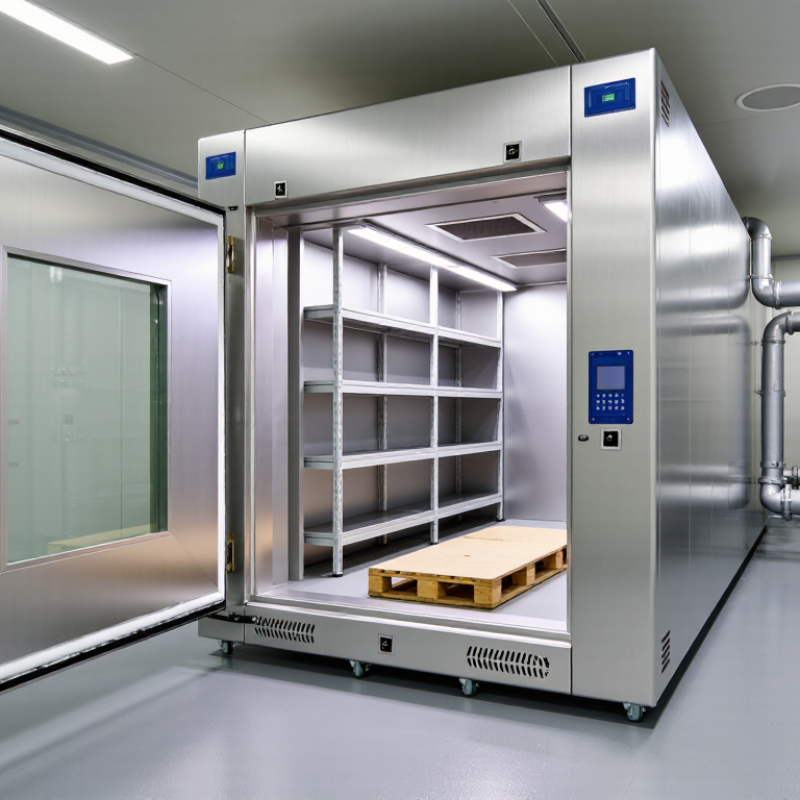
Table of Contents [Hide]
Understanding Walk-In Humidity Chamber Types and Applications
How to Choose the Right Walk In Humidity Chamber?
A walk-in humidity chamber is not simply a larger cabinet. It is a controlled environment for testing products, materials, and processes. Common types include constant-temperature humidity chambers, temperature-humidity cycling chambers, and rapid-change models. Constant conditions suit storage studies and long-term stability checks. Cycling chambers recreate changing warehouse or outdoor conditions. Rapid-change chambers test stress caused by sudden temperature and humidity shifts.
The application should guide the chamber design. Pharmaceutical packaging may require stable humidity, accurate mapping, and documented calibration. Electronics testing often needs condensation control and carefully managed temperature transitions. Building materials may require larger floor areas, product racks, and extended exposure periods. Food research can demand corrosion-resistant interiors and easy cleaning. Small details matter. A poorly positioned sensor can distort test results.
Capacity is only one decision. Check humidity range, temperature range, recovery time, airflow, door size, floor loading, and water quality requirements. Operators also need practical access to samples and safe emergency controls. In real facilities, maintenance space is often underestimated. That mistake can make routine service uncomfortable and expensive. A chamber may look ideal on paper, yet fail when loaded with dense racks. Test mapping under actual load conditions. Review power, drainage, ventilation, and monitoring requirements with qualified engineers. Reliable records matter as much as impressive specifications.
Brands
Proudly Trusted by Top Suppliers Worldwide







Let us know and we will automate, together to fit your industrial needs.
 +91-97254 16844
Clients
Proudly Trusted by Top Companies Worldwide


Do you need Help? Get in touch.
X
Please fill out the form below and we will get back to you as soon as possible.