How to Implement Robotic Automation in Your Business?
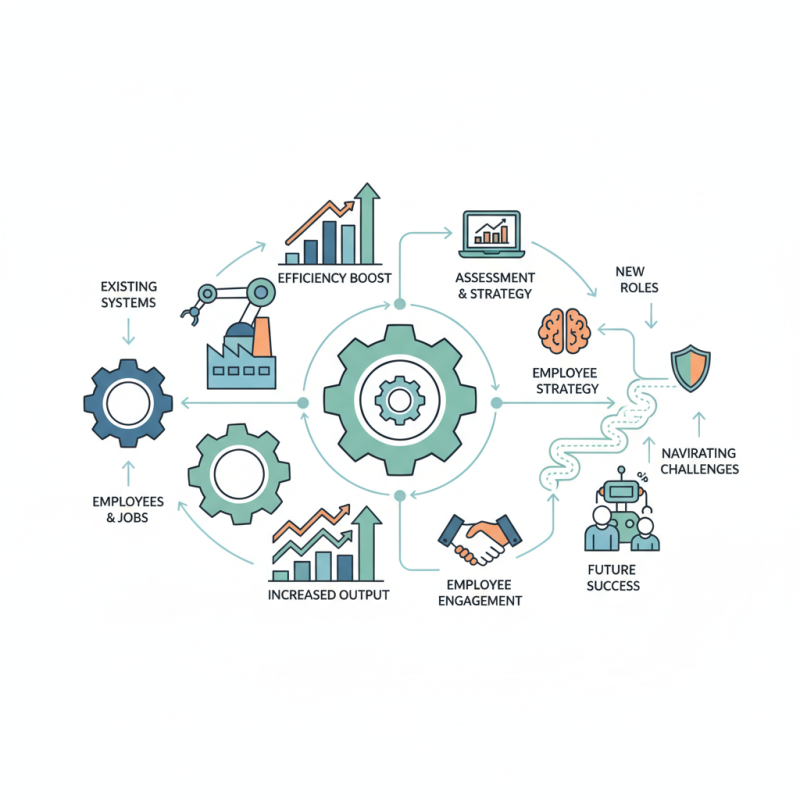
In recent years, robotic automation has emerged as a transformative force in various industries. A report by McKinsey indicates that up to 45% of tasks can be automated with existing technology. This staggering statistic highlights the urgency for businesses to embrace robotic automation. Companies implementing these technologies have reported significant improvements in efficiency and productivity. According to a survey by Deloitte, 62% of organizations that adopted automation experienced increased output.
However, implementing robotic automation is not without challenges. Many businesses struggle with integration into existing systems. Moreover, employees often express concerns about job security. Research by PwC shows that while automation can displace jobs, it also creates new roles requiring advanced skills. Companies need to navigate these complexities carefully.
It's crucial to assess both the potential benefits and obstacles of robotic automation. A reflective approach will help organizations to avoid common pitfalls. Setting realistic expectations may mitigate disappointment. Engaging with employees throughout the process is essential for a smoother transition. This thoughtful consideration will pave the way for effective implementation and sustained success in robotic automation.
Understanding Robotic Automation and Its Benefits for Businesses
Robotic automation is reshaping the business landscape. It allows companies to streamline operations and improve efficiency. By automating repetitive tasks, businesses can reduce human error. This can lead to significant cost savings. Employees can focus on more strategic activities. However, it's not without challenges.
Implementing automation requires initial investment and detailed planning.
Understanding its benefits is crucial. Automation enhances productivity. Tasks that once took hours can now be completed in minutes. Additionally, it can improve accuracy in data handling. Companies often struggle with integrating new systems. There can be a steep learning curve for staff. Communication among team members is vital during this phase.
Fostering an environment that embraces change is key. Employees may resist automation due to fear of job loss. Companies should provide training and support. This helps ease fears and encourages acceptance of robotic processes. Many businesses find that, with the right approach, the transition can be smooth.
Assessing Your Business Needs for Robotic Automation Integration
Assessing your business needs for robotic automation integration is a critical first step. Begin by identifying repetitive tasks within your operations. For instance, inventory management often involves tedious tracking. Consider whether a robotic system can streamline this process. Evaluate the frequency and volume of these tasks. The more repetitive they are, the greater the potential for automation.
Involving employees in this assessment adds value. Their insights can reveal pain points that management may overlook. Employees might feel overwhelmed by high volumes of data entry. Their feedback can help prioritize which tasks to automate first. However, be cautious; not every task is suitable for automation. Sometimes, the complexity of a task requires human judgement. It’s important to reflect on how automation will impact your workforce. Will it lead to job displacement, or can it enhance roles? Balancing these concerns is key to a successful integration.
Choosing the Right Robotic Automation Solutions for Your Organization
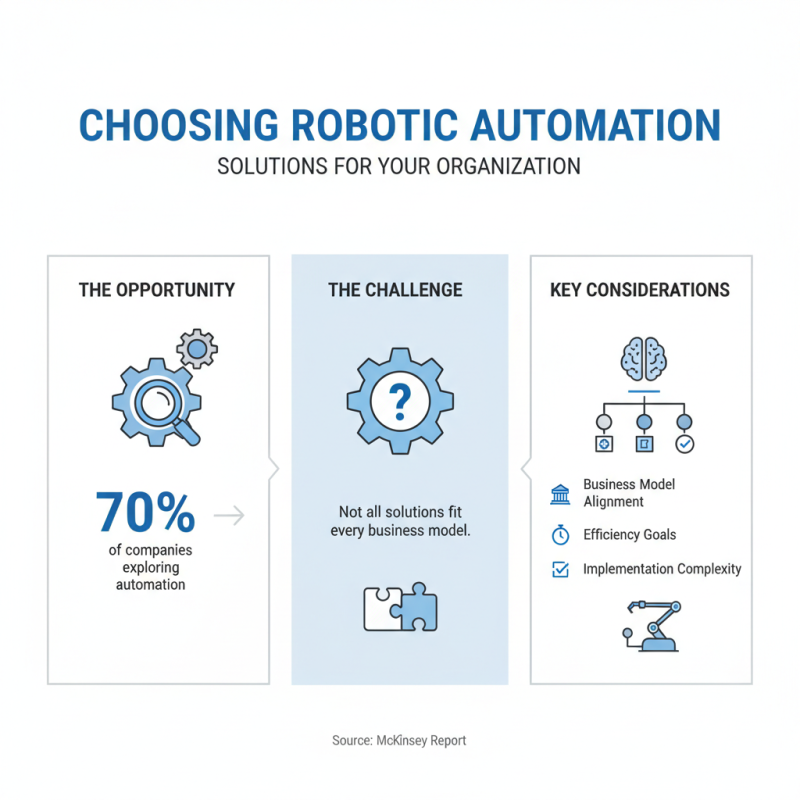
Choosing the right robotic automation solutions is crucial for any organization. According to a report from McKinsey, 70% of companies are exploring automation to improve efficiency. However, not all solutions fit every business model. Many organizations struggle with this selection process.
When assessing options, consider your specific needs and goals. Look for solutions that can easily integrate with existing workflows. A Deloitte survey found that 53% of companies experienced challenges during integration. This often leads to delays and increased costs. Clear communication between teams can aid the process.
Cost is another area that requires careful evaluation. A well-implemented robotic solution can save up to 30% on operational costs. Yet, some businesses overspend on unnecessary features. Focus on essential functions to maximize your investment. Ensure you have a robust implementation strategy that includes training for staff. The human factor is often overlooked. Finally, measure the performance of your automated systems regularly. Continuous improvement is key to long-term success.
Steps for Implementing Robotic Automation in Your Workflows
Robotic automation is transforming workflows across various industries. To implement it effectively, follow several key steps. Start by assessing your current processes. Identify repetitive tasks that consume time and resources. According to a study from McKinsey, automation can boost productivity by 20-30%. This statistic emphasizes the potential value of automation.
Tips: Document your processes. Create visual maps. This makes it easier to spot areas for improvement. Engage your team in discussions. They may offer insights on tasks that feel burdensome.
Next, choose the right automation tools. Research different options that suit your business needs. This decision is crucial. Remember, not all tools deliver equal results. A report from Gartner suggests that 60% of automation projects fail due to poor tool selection. Avoid the mistake of rushing this step.
Tips: Pilot new tools in small areas. Gather feedback and analyze the results. Adjust your approach as necessary. Stay flexible and willing to iterate. Automation is a journey, not a destination. So, be prepared for challenges along the way.
Measuring Success and Optimizing Robotic Automation Deployment
Measuring the success of robotic automation is critical for businesses. According to a recent report by McKinsey, companies that implement robotic process automation (RPA) can achieve up to a 30% increase in efficiency. However, success is more than just numbers. Organizations often overlook the need for constant evaluation. It's vital to track metrics like cost savings, time reduction, and employee satisfaction.
Another study found that 70% of automation projects fail to meet their initial goals. This high failure rate signals a need for continuous improvement. Businesses should leverage data analytics to assess the performance of their robotic systems. Regular feedback loops can identify areas needing adjustments. Deploying automation is not a one-time event. It requires fine-tuning and re-evaluation. Leaders must stay agile.
Employees can feel threatened by automation, leading to resistance. Engaging them in the process is essential. Regular training sessions and workshops can help alleviate fears. Focus on collaboration rather than replacement. The best plans include both technology and human input. Achieving balance is key, and ongoing assessments must reflect this dual emphasis.