o p t i m a r o b o t i c s

Blogs

10 Tips for Improving Robot Vision in Your Supply Chain?

In today's fast-paced supply chain, the role of robot vision is increasingly critical. Experts believe that it can enhance operational efficiency significantly. Dr. Lisa Chen, a leading authority in robotic automation, states, "The future of smart supply chains relies heavily on the precision of robot vision systems." This underscores the importance of implementing advanced visual technologies.

Implementing robot vision comes with its challenges. Many companies struggle with integration and accuracy. Lighting conditions and sensor capabilities often impact the performance of these systems. These are issues that require reflective consideration. Addressing them can improve overall productivity.

Moreover, continuous innovation in robot vision technology opens new avenues for efficiency. Companies need to explore various strategies to enhance their systems. By focusing on clear goals and adapting to new solutions, they can maximize their investments in robot vision. The journey may be complex, but the potential rewards are immense.
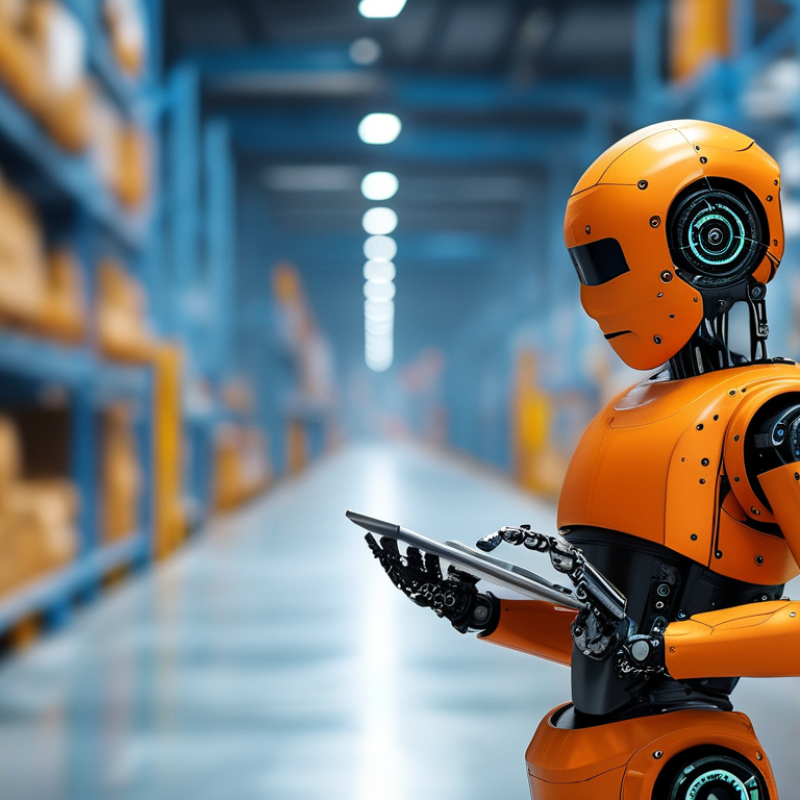
10 Tips for Improving Robot Vision in Your Supply Chain?

Understanding the Importance of Robot Vision in Supply Chains

Robot vision technology is a game changer in supply chains. It enables automation, enhances efficiency, and improves accuracy. According to a report by McKinsey, investments in automation could increase productivity by up to 30% in logistics. As industries become increasingly reliant on automation, robot vision plays a critical role in inventory management, quality control, and order fulfillment.

One way to improve robot vision is through better lighting. Proper illumination can enhance image clarity and depth perception. Another tip is to integrate advanced algorithms for real-time image processing. Algorithms can increase the speed and accuracy of recognition tasks. Recent studies indicate that enhanced image processing can reduce errors by up to 25%, leading to fewer returns and better customer satisfaction.

However, not all implementations succeed. Some failures stem from inadequate training data. A well-rounded dataset is essential for machine learning models to operate effectively. Consideration of diverse conditions during training is vital. Regular assessments of robot vision systems are necessary for continuous improvement and optimization in the supply chain.

Key Components of Effective Robot Vision Systems

Effective robot vision systems are crucial in enhancing supply chain efficiency. These systems rely on key components that influence their performance and reliability. Cameras are the eyes of any robotic vision system. Choosing the right camera type can make a significant difference. High-resolution cameras capture finer details, which is essential for precision tasks.

Algorithms also play a vital role. They interpret the visual data, guiding robots in making decisions. Implementing advanced image processing techniques can improve recognition accuracy. Machine learning models can adapt over time. This adaptability is a game-changer, allowing robots to refine their vision based on new data.

A few tips can aid in improving robot vision. Optimize lighting in workspaces for better image quality. Ensure consistent backgrounds to reduce noise in images. Regularly calibrate your cameras to maintain accuracy. Implement redundancy in sensor systems to avoid failures. These steps help build a robust system. Remember, continuous improvement is necessary. There will always be challenges to address as technology evolves.

Keep experimenting with new components and techniques. Each adjustment could lead to significant progress. Adapting to feedback is essential for success in this field. Embracing imperfection may just spark the next innovative solution.

Strategies for Enhancing Image Processing Capabilities in Robots

Enhancing image processing capabilities in robots is crucial for optimizing supply chain operations. According to industry reports, companies that integrate advanced vision systems can improve efficiency by more than 30%. Robots equipped with superior vision can accurately identify and process items, reducing errors significantly.

To enhance robot vision, focusing on sensor quality is essential. High-resolution cameras can capture more details, aiding in better object recognition. Adding depth perception sensors can allow robots to understand spatial relationships, making them more adept at navigating complex environments. Implementing machine learning algorithms for image analysis can further improve outcomes, as these systems learn from data over time.

A practical tip involves continuous training of computer vision models. These models require exposure to diverse scenarios. Regularly updating datasets ensures robots remain effective across various predictable and unpredictable conditions. Testing robots in real-world supply chain environments can also provide valuable insights. Identifying and adjusting visual processing systems based on performance data will yield better results. The goal is to create adaptable robots capable of refining their image processing skills, addressing the ever-evolving demands of supply chains.

Integrating Machine Learning for Improved Object Recognition

Integrating machine learning into robot vision can revolutionize supply chains. Advanced object recognition systems improve efficiency. Data from a recent industry report reveals that AI-enhanced vision systems can increase sorting accuracy by 30%. Companies utilizing these technologies see significant cost savings.

However, adoption is not without challenges. Training models require diverse datasets. Inconsistent data can result in poor recognition. Researchers highlight that 15% of object misclassifications arise from inadequate training samples. It's crucial for businesses to continuously update their algorithms to adapt to changing inventory.

Moreover, deploying machine learning solutions demands expertise. Companies may face hurdles in integration with existing systems. As the market evolves, investing in robust training programs can mitigate risks. Close attention to data quality and model performance will significantly enhance recognition rates over time. Balancing innovation with practical implementation is key for successful outcomes in automated supply chains.

Evaluating and Selecting the Right Sensors for Your Application

Selecting the right sensors for robot vision in supply chains is crucial. Different applications require different types of sensors. For example, cameras may excel in high-resolution tasks, while LIDAR is better suited for distance measurement. Evaluating these technologies can be overwhelming. It's essential to consider your specific needs first.

Look at your environment. What lighting conditions do your robots operate in? Some sensors perform poorly in low light. Also, consider the type of items being handled. Are they reflective or transparent? This can impact sensor choice significantly. Testing multiple setups before a final decision can provide valuable insights.

Additionally, think about integration. Ensure the sensors work well with your existing systems. Compatibility issues can lead to increased downtime. Be aware of the potential for over-engineering. Sometimes, simpler solutions might yield better performance. Gathering feedback from your team can guide adjustments. It's all about finding balance and improving efficiency without unnecessary complexity.

Brands

Proudly Trusted by Top Suppliers Worldwide

Let us know and we will automate, together to fit your industrial needs.

Clients

Proudly Trusted by Top Companies Worldwide

Do you need Help? Get in touch.

X

Please fill out the form below and we will get back to you as soon as possible.

    Subscribe our newsletter & get updates