o
p
t
i
m
a
r
o
b
o
t
i
c
s

Make a Call


Make a Call
Blogs
Why Choose Metallic Liquid Tight Conduit?
Why choose Metallic Liquid Tight Conduit for demanding electrical installations? The answer begins with protection where ordinary wiring methods may struggle. Its flexible metallic core helps shield conductors from impact, crushing, and electromagnetic interference. A liquidtight outer jacket adds defense against water, oil, dust, and industrial contaminants. In practice, this combination is useful near pumps, motors, outdoor equipment, and washdown areas.
It also handles movement better than rigid raceway. A properly selected section can absorb vibration and simplify connections around crowded machinery. Installers often appreciate its ability to follow tight routing paths without repeated elbows. However, flexibility should not be mistaken for unlimited strength. Incorrect bending, poor fittings, or excessive tension can weaken the installation. Small details matter.
Reliable performance depends on more than the conduit itself. The trade size, temperature range, jacket material, grounding path, and fitting rating must match the application. Manufacturer instructions and applicable electrical codes should guide every installation. Qualified professionals should verify continuity, sealing, support spacing, and enclosure connections before energizing equipment. This is where field experience becomes valuable: a conduit may look secure while its fitting remains improperly tightened.
Metallic Liquid Tight Conduit is not automatically the best choice for every project. It may add cost, weight, and installation time where dry, protected conditions already exist. That limitation deserves honest consideration. Yet, when moisture, vibration, mechanical exposure, and reliable bonding appear together, it offers a practical layer of protection. The right decision comes from examining the environment, not simply choosing the most rugged-looking product.
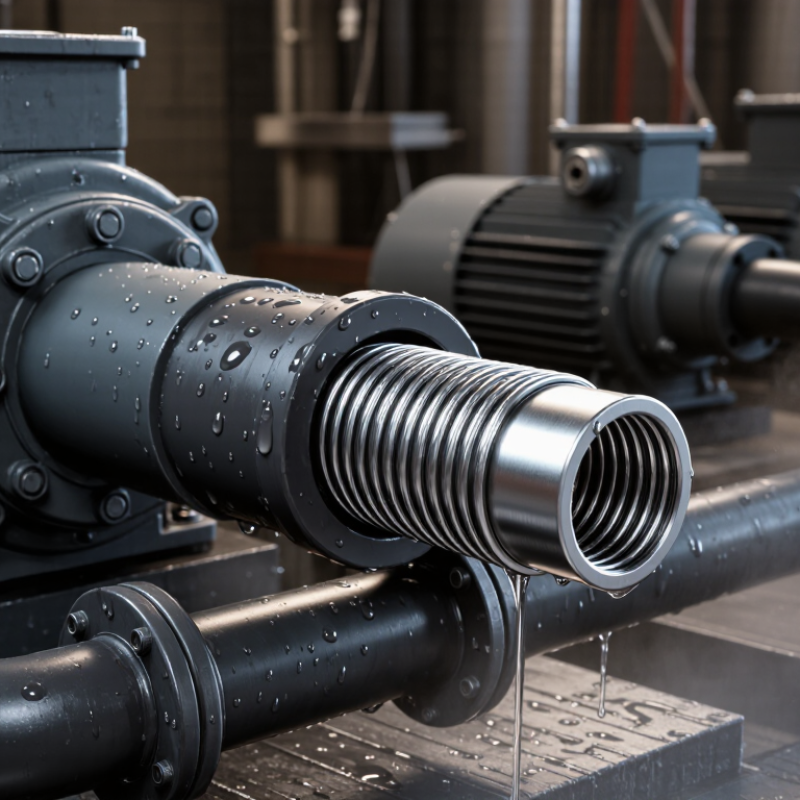
Table of Contents [Hide]
What Is Metallic Liquid Tight Conduit?
Metallic liquid tight conduit is a flexible metal raceway with a moisture-resistant outer jacket. It protects insulated conductors from water, oil, dust, vibration, and physical damage. The metal core provides a dependable grounding path when installed correctly. The sealed jacket handles wet areas better than ordinary flexible conduit. It is commonly used near pumps, rooftop equipment, washdown zones, and vibrating machinery.
Its value becomes clearer during practical installation. The conduit bends around tight corners without requiring many rigid elbows. Proper fittings preserve the liquidtight seal at every connection. The 2023 NFPA 70 standard places specific requirements on liquidtight flexible metal conduit, including permitted uses, fittings, and installation methods. UL 360 testing also evaluates liquidtight flexible metal conduit performance. These requirements do not make a poor installation safe. Fit matters. The NFPA report Electrical Fires reports that electrical distribution and lighting equipment caused about 32,000 U.S. home structure fires annually from 2015 to 2019. Conduit cannot prevent every failure, but it can reduce exposure to damaging conditions.
Tips: Select fittings rated for the environment, not merely the conduit size. Keep bends smooth and within the manufacturer’s limits. Inspect jackets for cuts, flattening, or loose fittings. Bond metallic sections continuously. This detail is easy to miss. In harsh locations, verify chemical compatibility before installation. A stronger conduit may still fail when its jacket meets the wrong solvent.
Brands
Proudly Trusted by Top Suppliers Worldwide







Let us know and we will automate, together to fit your industrial needs.
 +91-97254 16844
Clients
Proudly Trusted by Top Companies Worldwide


Do you need Help? Get in touch.
X
Please fill out the form below and we will get back to you as soon as possible.