o
p
t
i
m
a
r
o
b
o
t
i
c
s

Make a Call


Make a Call
Blogs
Top Plastic Cup Making Machine Manufacturers Worldwide?
Choosing among the top Plastic Cup Making Machine manufacturers worldwide requires more than comparing brochures. A reliable supplier should demonstrate stable forming cycles, accurate heating zones, clean mold changes, and consistent cup-wall thickness. Factory experience matters when a machine runs thousands of cycles each day. Small defects become expensive quickly. A weak rim, uneven base, or excessive trimming waste can damage an otherwise attractive project.
Dr. James L. Throne, a respected thermoforming specialist, offers a useful principle: “Thermoforming performance depends on controlling the process, not simply increasing speed.” This idea deserves attention. A fast machine is not automatically a productive machine. Buyers should examine servo control, material compatibility, energy consumption, cooling design, automation, and after-sales support. They should also request sample production using their own sheet material and cup dimensions. Real tests reveal more than polished demonstrations.
This guide compares leading manufacturers through practical criteria, including engineering capability, delivery experience, maintenance support, and documented quality procedures. It also considers how suppliers handle tooling changes, spare parts, operator training, and production troubleshooting. Rankings can never be perfectly permanent. Market conditions change. Some smaller manufacturers may offer excellent value but have limited international service networks. That weakness should not be ignored. Conversely, a famous brand may still provide an unsuitable configuration. Careful buyers should verify references, inspect technical specifications, and review total operating costs before choosing a Plastic Cup Making Machine manufacturer. The best decision is not always the cheapest or fastest. It is the one that performs reliably under real production pressure.
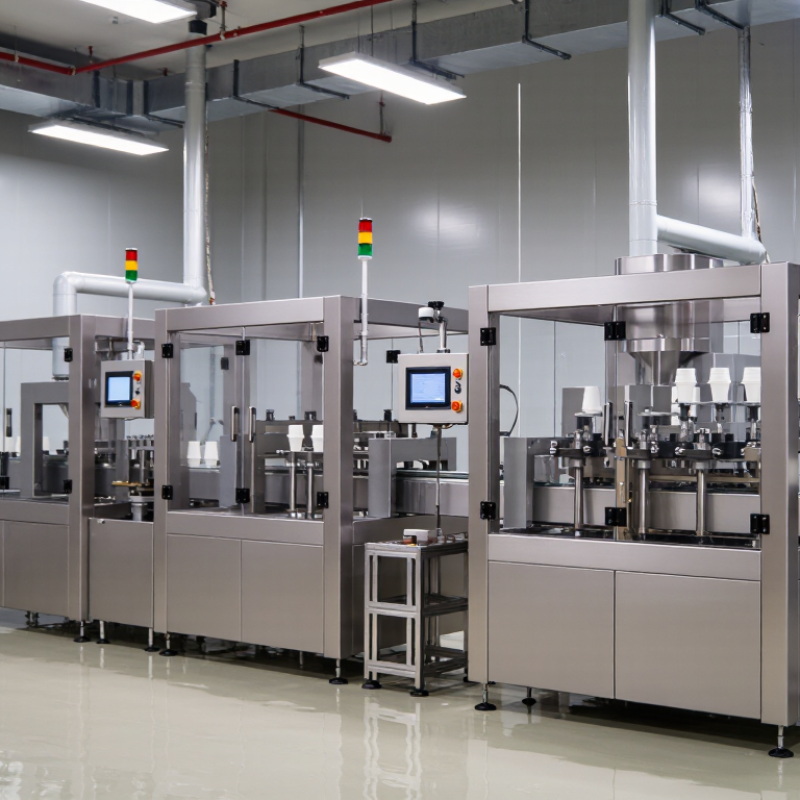
Table of Contents [Hide]
What Is a Plastic Cup Making Machine?
A plastic cup making machine is industrial equipment that forms heated plastic sheets into cups. It commonly uses thermoforming, where heat softens the sheet before molds shape it. The machine then cools, trims, and stacks the finished cups. It looks simple. It is not.
A typical system includes a sheet feeder, heating stations, forming molds, cutting tools, and a stacking unit. Operators adjust temperature, forming pressure, cooling time, and material thickness. Small changes can affect rim strength, wall thickness, and cup clarity. In my experience, stable feeding often matters as much as machine speed. A fast line is not useful when cups arrive unevenly.
Different machines suit different production needs. A compact unit may serve small batches, while larger equipment supports continuous production. Buyers should inspect mold compatibility, changeover time, energy use, cleaning access, and operator controls. Food-contact production also requires suitable materials and documented quality procedures. These details deserve careful verification.
The first setting is rarely perfect. Material behavior can change with room temperature, sheet storage, and mold wear. Regular inspections help identify cracks, uneven edges, or incomplete forming before they spread through a batch. Some manufacturers focus heavily on output figures, but practical reliability needs closer attention. A machine should produce consistent cups, not merely impressive numbers.
Brands
Proudly Trusted by Top Suppliers Worldwide







Let us know and we will automate, together to fit your industrial needs.
 +91-97254 16844
Clients
Proudly Trusted by Top Companies Worldwide


Do you need Help? Get in touch.
X
Please fill out the form below and we will get back to you as soon as possible.