o p t i m a r o b o t i c s

Blogs

How to Leverage Industrial Robots Advantages for Your Business?

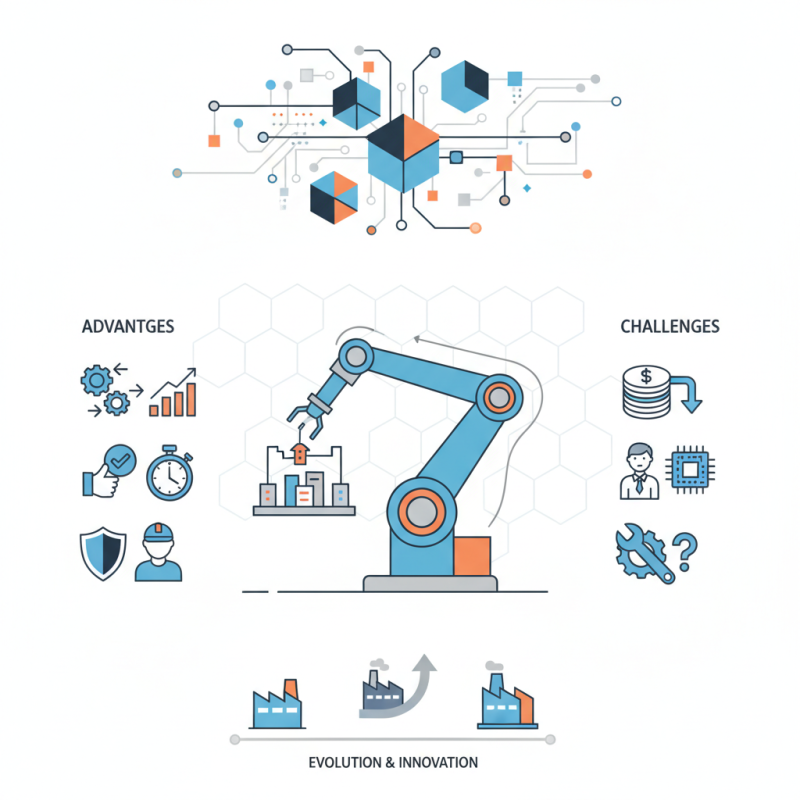
As industries evolve, the role of automation becomes pivotal. According to the International Federation of Robotics, global sales of industrial robots surpassed 384,000 units in 2020, showcasing a growing trend. Leveraging Industrial Robots Advantages can significantly enhance operational efficiency. These robots excel at repetitive tasks, reducing human error and increasing production rates.

However, integrating robotics requires thoughtful planning. Companies must assess their unique needs and the capabilities of available robots. While many organizations enjoy lower labor costs and improved safety, they encounter challenges like high initial investment and the need for skilled personnel. Reflecting on these hindrances helps companies strategize effectively.

Exploring how to harness industrial robots advantages can offer transformative benefits. By addressing both potential and pitfalls, businesses can achieve a competitive edge in a market that increasingly depends on innovation and precision.
How to Leverage Industrial Robots Advantages for Your Business?

Understanding the Role of Industrial Robots in Modern Manufacturing

Industrial robots have reshaped modern manufacturing, significantly impacting efficiency and productivity. By automating repetitive tasks, they allow human workers to focus on more complex issues. This shift enhances overall output in factories, which can lead to increased profitability. Businesses utilizing robots benefit from consistent quality and reduced human error.

However, integrating industrial robots is not without challenges. Initial costs can be high, and there may be a learning curve for staff. Training employees to work alongside robots is crucial. It’s vital to consider whether the technology aligns with specific operational goals. Some companies may find that certain tasks remain better suited for human hands, highlighting the need for a balanced approach.

Investing in robots raises questions about job displacement. While robots can take over certain duties, they create opportunities for new roles focused on technology management. Understanding this duality is critical. A successful strategy involves assessing how to best use robots while nurturing the workforce. This way, companies can leverage the strengths of both technology and human talent.

Identifying Key Advantages of Industrial Robots for Business Efficiency

Industrial robots are transforming business operations by enhancing efficiency and reducing costs. According to a report by the International Federation of Robotics, industrial robots can boost productivity by up to 30%. This significant increase allows companies to stay competitive in today’s fast-paced market. Additionally, robots operate tirelessly, which means they can produce more in less time.

One key advantage of using industrial robots is their precision. Automated systems can perform repetitive tasks with exceptional accuracy, minimizing errors. In manufacturing, this translates to lower wastage rates and high-quality products. A study from McKinsey suggests that companies adopting robotic automation saw a 20% reduction in material costs. However, investing in robotics requires careful planning. The initial costs can be high, and not all tasks may be suited for automation.

Tips: Conduct a thorough analysis to identify the tasks that would benefit the most from automation. This ensures a better return on investment. Additionally, training workers to collaborate with robots can maximize efficiency. Embracing this technology might seem daunting, but many businesses find their fears unfounded after implementation.

Evaluating Cost Savings: ROI and Payback Period of Industrial Automation

Industrial automation has become a crucial strategy for many businesses seeking to improve efficiency. A key factor is evaluating the cost savings—specifically, the return on investment (ROI) and payback period. Understanding these metrics allows companies to weigh their initial investments against long-term benefits.

When considering industrial robots, assess their capabilities carefully. Think about how they can reduce labor costs while improving accuracy and speed. A detailed analysis helps identify the most effective applications. For example, a robot that handles repetitive tasks can significantly decrease human error, leading to better product quality.

Tips: Calculate your potential ROI by looking at both direct savings and improved productivity. Keep track of downtime and maintenance costs to see the real impact of automation. Remember, not all processes will benefit equally, so a targeted approach is essential.

Businesses should also consider the payback period. This is the time it takes for savings to equal the initial investment. A shorter payback period is often more attractive. However, some businesses might be hesitant, worried about upfront costs or the complexity of integration. A phased implementation can help mitigate these concerns while demonstrating value over time.

How to Leverage Industrial Robots Advantages for Your Business? - Evaluating Cost Savings: ROI and Payback Period of Industrial Automation

Industry Initial Investment ($) Annual Savings ($) ROI (%) Payback Period (Years)
Manufacturing 200,000 50,000 25% 4.0
Automotive 350,000 80,000 22.86% 4.4
Electronics 150,000 35,000 23.33% 4.3
Food Processing 250,000 45,000 18% 5.6

Implementing Industrial Robots: Best Practices for Seamless Integration

Implementing industrial robots in your business can seem daunting. Companies often face integration challenges, leading to frustration. A careful approach can make the transition smoother. Start by assessing your current workflows. Identify areas where robots can enhance productivity. Focus on repetitive tasks first. These tasks often provide clear efficiency gains.

Training staff is crucial in this process. Employees can feel threatened by robots. Address their concerns through education. Explain how robots augment their work. Offer hands-on training sessions before full implementation. Monitor progress closely during the transition. Adjust strategies based on feedback from workers. Not every integration will go as planned. Be prepared to rethink your approach if necessary.

Establishing clear communication channels is vital. Teams should report any issues promptly. Encourage an open environment for sharing ideas. Celebrate small wins to maintain morale. Regularly review performance metrics. This will help to identify areas needing improvement. Emphasizing collaboration between humans and robots can foster a more positive workplace.

Leveraging Industrial Robots in Business: Adoption Trends

This chart illustrates the percentage of businesses adopting various types of industrial robots over the years, showcasing the growing trend of automation in different sectors.

Future Trends in Industrial Robotics and Their Implications for Businesses

Industrial robotics is evolving rapidly, impacting how businesses operate. Companies are increasingly adopting automation solutions to enhance productivity and reduce labor costs. Recent advancements in artificial intelligence and machine learning are making robots smarter. They can now learn from their environment, adapt to new tasks, and optimize operational efficiency.

Looking ahead, collaborative robots, or cobots, are set to revolutionize industries further. These robots work alongside humans, assisting in various tasks without the need for safety barriers. This shift promotes a more flexible workforce, allowing employees to focus on strategic tasks while robots handle repetitive ones. However, the integration of cobots can pose challenges. Workers may feel apprehensive about job security and the changing work environment.

Another trend is the use of predictive maintenance in robotic systems. Machine learning algorithms analyze performance data in real time. This allows businesses to predict malfunctions before they happen, minimizing downtime. Yet, not all companies may have the resources or knowledge required for effective implementation. Understanding these trends will be crucial for businesses aiming to stay competitive in a future dominated by robotics.

Brands

Proudly Trusted by Top Suppliers Worldwide

Let us know and we will automate, together to fit your industrial needs.

Clients

Proudly Trusted by Top Companies Worldwide

Do you need Help? Get in touch.

X

Please fill out the form below and we will get back to you as soon as possible.

    Subscribe our newsletter & get updates