10 Tips for Mastering Robot Technology in Your Business?
In today’s business landscape, mastering robot technology can be a game changer. Companies integrating robots often see improved efficiency and productivity. However, the path to successful implementation is not always smooth.
Many businesses face challenges when adopting robot technology. These challenges range from high initial costs to staff resistance. Understanding these hurdles is vital for overcoming them. It is essential to have a clear plan and realistic goals. Otherwise, efforts may fall short.
Embracing robot technology requires continuous learning and adaptation. Leaders must engage with their teams and seek feedback. Not every solution will work perfectly the first time. By reflecting on mistakes, businesses can enhance their strategies. The journey toward mastering robot technology is ongoing, filled with opportunities for growth and innovation.

Understanding the Basics of Robot Technology in Business
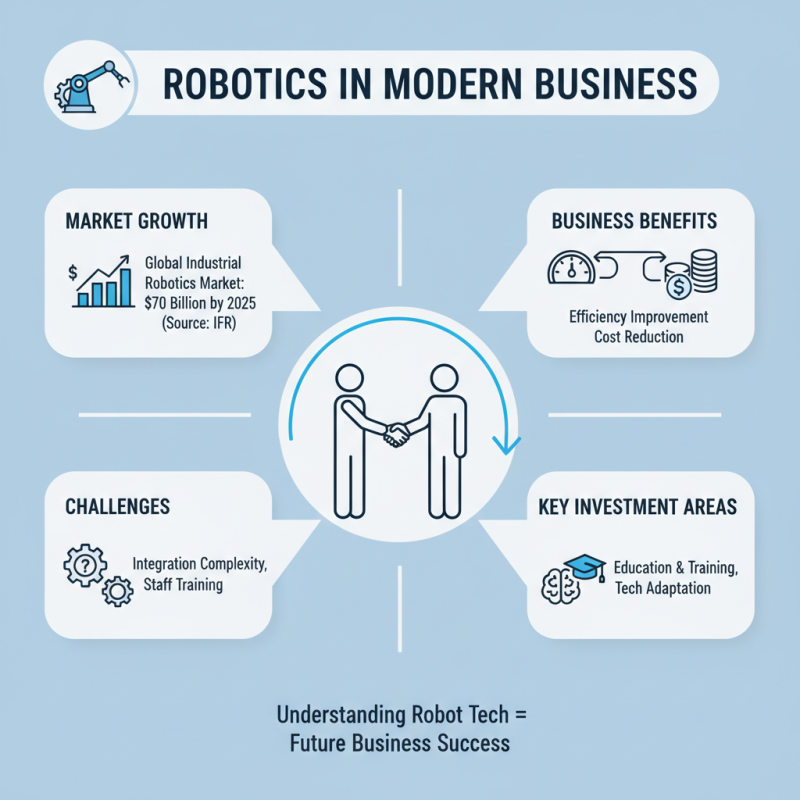
Understanding robot technology is vital for modern businesses. According to a report from the International Federation of Robotics, the global market for industrial robots will reach $70 billion by 2025. Companies can harness this technology to improve efficiency and reduce costs. Yet, integrating robots isn't always straightforward. Businesses must focus on training staff to work alongside robots. This requires time and investment in education.
Another study found that 58% of organizations struggle with the implementation. They face challenges like outdated systems and resistance from employees. Understanding the basics of robotics can mitigate these issues. For instance, companies should evaluate their existing processes. Identifying repetitive tasks can highlight where robots could add value.
Data suggests that companies leveraging robots see productivity gains of 30-40%. However, it’s essential to start small. Testing robots in specific areas can provide useful insights. This gradual approach also allows for adjustments without overwhelming the workforce. As firms explore this technology, failing to adapt could lead to missed opportunities in the evolving landscape.
Identifying Key Areas for Robot Integration in Operations
In today’s fast-paced world, businesses seek innovative solutions. Robot integration can significantly enhance operational efficiency. However, identifying the right areas for this integration is crucial. According to industry reports, up to 86% of organizations face challenges in implementing robotic solutions effectively. Hence, understanding specific operational needs is essential.
Production lines often benefit the most from robotic technology. In manufacturing, robots can reduce labor costs by 30% and increase output by 50%. Yet, implementing robots is not without challenges. Skills gaps and lack of training can hinder progress. A survey indicated that 54% of workers fear job displacement due to automation. Addressing these concerns is vital for smooth integration.
Logistics and supply chain management also present opportunities. Research shows that automated warehouses can handle 30% more inventory than manual systems. However, the upfront costs and maintenance issues can be daunting for small businesses. Reflecting on these aspects can guide companies in making informed decisions regarding robot technology.
Understanding the potential hurdles and actively working to overcome them is a pathway to effective robot integration.
Assessing Costs and ROI of Implementing Robotics Solutions
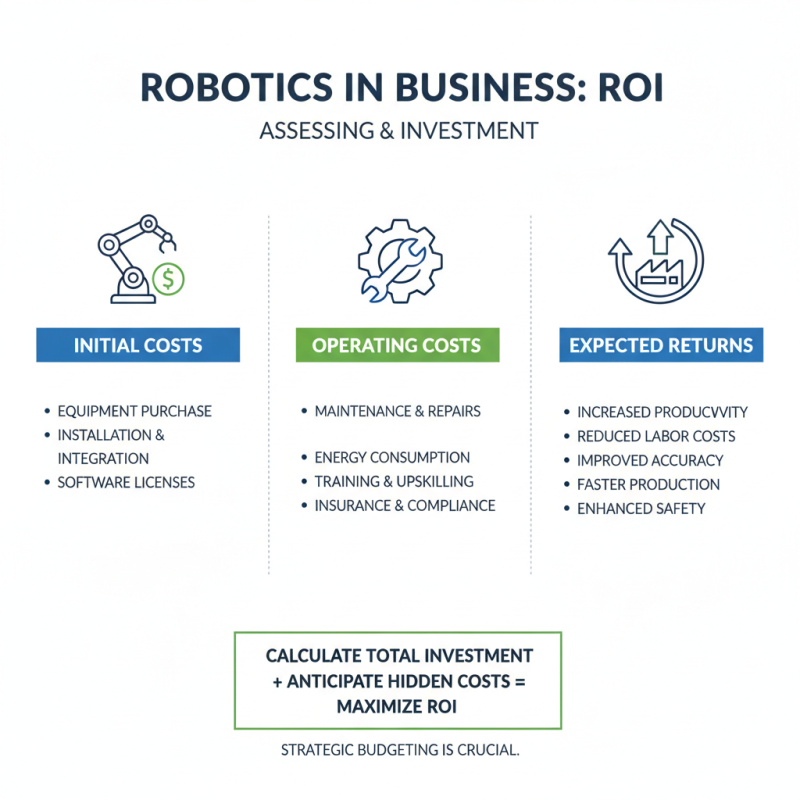
Implementing robotics in business requires a careful assessment of costs and expected returns. It's crucial to calculate the overall investment before diving in. This includes equipment, maintenance, and training costs. A clear budgeting plan helps in avoiding unexpected expenses. Many companies overlook hidden costs, which can impact their ROI significantly.
One important tip is to start small. Piloting a robotics solution can provide insights without a massive upfront investment. Measure the initial results closely. This provides clarity on whether the technology adds value. Another suggestion is to engage your team early in the process. Their feedback can highlight potential use cases and areas for improvement.
Adopting robotics is not just about machines. It's about integrating technology into your culture. Be prepared for challenges. Employee resistance, for example, can hinder progress. Reflect on how to address these issues for smoother implementation. The journey of mastering robot technology is an evolving process, with many factors influencing success and costs.
Training and Upskilling Your Workforce for Robot Interaction
As businesses increasingly rely on robotics, the importance of training and upskilling employees cannot be overlooked. A study by Deloitte found that 60% of organizations struggle to train their workforce on new technologies. Employees often lack confidence in interacting with robots. This gap can lead to inefficiencies and reduced productivity. Ensuring staff is well-prepared is crucial for maximizing robotic benefits.
Providing training on robot technology is more than just a one-time event. Regular workshops and hands-on sessions can enhance employee engagement. According to McKinsey, companies that invest in training see a 20% increase in productivity. Yet, many firms allocate insufficient resources for these training programs. The focus often remains on immediate results rather than long-term growth.
Encouraging a culture of continuous learning is vital. Employees should feel empowered to experiment and make mistakes. This approach fosters innovation but requires support from management. A significant percentage of workers may still resist adopting new technologies. Addressing their concerns is essential to create a smoother transition to a tech-driven workplace.
Evaluating and Choosing the Right Robotics Solutions for Your Needs
When it comes to evaluating and choosing robotics solutions, understanding your specific needs is paramount. Data from the International Federation of Robotics indicates that the global robotics market is expected to reach $210 billion by 2025, indicating significant investment potential. Many businesses struggle to align their goals with technology. This disconnect can hinder productivity and lead to wasted resources.
Tip: Assess your operational challenges. Identify areas where robots can enhance efficiency. For instance, in manufacturing, robots can perform repetitive tasks, improving precision. The right fit can reduce human error and lower costs. However, implementing technology without clear objectives can backfire.
Consider scalability and integration. A solution that works today may not be sustainable tomorrow. According to industry reports, 40% of companies face integration issues with new robotics. Think about future growth as you choose your solution.
Tip: Conduct a thorough cost-benefit analysis. While upfront costs can be high, the long-term benefits often outweigh them. Analyze different scenarios to foresee potential hurdles. Remember, the wrong choice could delay your automation goals. Examine both immediate and long-term ROI.