o
p
t
i
m
a
r
o
b
o
t
i
c
s

Make a Call


Make a Call
Blogs
What Is a Pensioner Scooter and Who Is It For?
A Pensioner Scooter is more than a small electric vehicle. For many older adults, it is a practical bridge between home, shops, appointments, and social life. The right model may restore confidence after reduced balance, joint pain, or tiring walks. It should not be chosen because it looks modern. Comfort, stability, control layout, battery range, and storage matter more.
Mobility consultant David H. McNaughton explains, “A scooter should support independence without pretending that every user has the same needs.” That point deserves attention. A pensioner scooter is usually designed for people who can sit upright, steer safely, and make clear decisions while travelling. It may suit someone visiting a local supermarket, crossing a park, or reaching a nearby bus stop. It may not suit every pavement, slope, doorway, or daily routine.
Small details reveal the real experience. Can the user operate the tiller with painful fingers? Does the seat turn easily? Will the battery last through a normal afternoon? Is there enough room for a walking stick or shopping bag? These questions feel ordinary. They are not.
The term “pensioner” can also be misleading. Age alone does not decide suitability. Strength, vision, reaction time, confidence, and personal surroundings matter more. A careful assessment is wiser than an impulsive purchase. Even experienced users can overlook turning space or charging access. That is where this guide begins: with practical expectations, honest limitations, and the person behind the scooter.
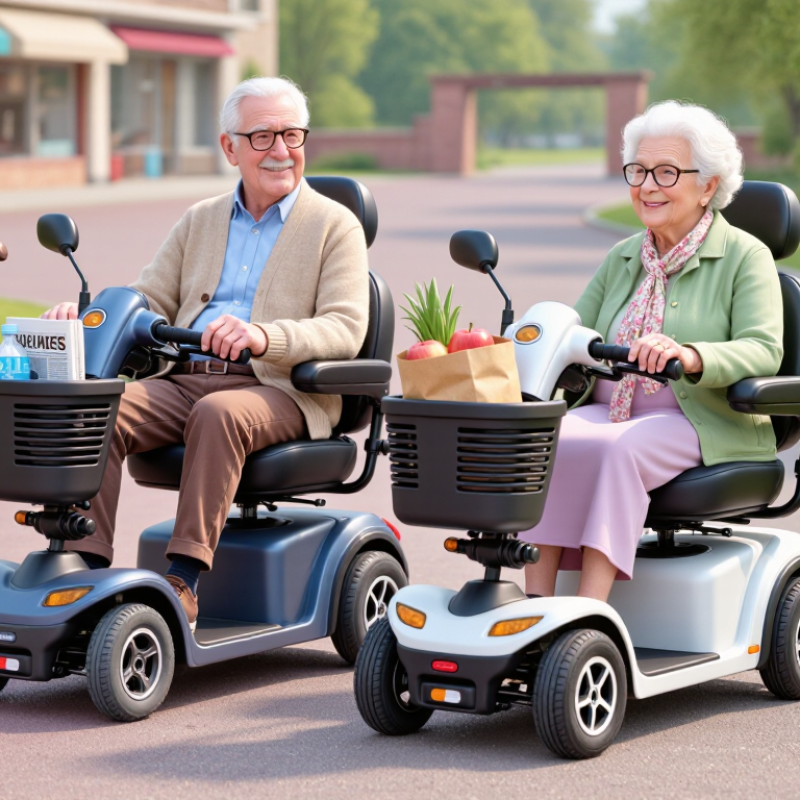
Table of Contents [Hide]
## Definition of a Pensioner Scooter
A pensioner scooter is a compact mobility vehicle designed to help older adults travel independently. It usually has a comfortable seat, handlebars, simple controls, and three or four wheels. The term “pensioner scooter” is informal, not a strict medical category. Some users are retired, while others have temporary injuries, balance concerns, or reduced walking stamina.
These scooters suit short trips, such as visiting a local shop, crossing a garden, or moving through a spacious community building. They are not automatically suitable for every older person. A professional assessment can check posture, eyesight, reaction speed, and steering ability. In my experience, comfort is often underestimated. A seat that feels fine for five minutes may become painful after thirty.
Tips: Measure doorways and storage areas before choosing a scooter. Practise turning slowly in an empty space. Keep both hands on the controls. Check the brakes, tyres, lights, and battery before each outing. Read the user instructions carefully, even if the controls look simple. Weather can change handling, too. Wet ground may increase stopping distance. A walking aid might still be better for very short indoor journeys, and that is easy to overlook.
Brands
Proudly Trusted by Top Suppliers Worldwide







Let us know and we will automate, together to fit your industrial needs.
 +91-97254 16844
Clients
Proudly Trusted by Top Companies Worldwide


Do you need Help? Get in touch.
X
Please fill out the form below and we will get back to you as soon as possible.