o
p
t
i
m
a
r
o
b
o
t
i
c
s

Make a Call


Make a Call
Blogs
What Is an RFID Wristband and How Does It Work?
An Rfid Wristband is a wearable identification device that uses radio waves to exchange data with a nearby reader. It usually combines an RFID chip, a small antenna, and a fabric, silicone, or plastic band. Passive wristbands receive power from the reader’s signal, while active versions use a battery for longer range and memory. The technology does not require direct contact. Often, it does not require a clear line of sight.
In a venue, a guest may tap or pass the wristband near a reader at an entrance. The reader captures the tag’s identifier and sends it to software, which can confirm access, record attendance, or connect approved services. This process takes only seconds. The visible result may be simple, but the backend matters. Accurate encoding, reader placement, database security, and staff training influence reliability.
Industry research shows why adoption continues. IDTechEx’s RFID Forecasts, Players and Opportunities 2024–2034 report identifies retail, logistics, healthcare, and events as major growth areas. GS1 standards also emphasize consistent identification and data exchange across supply chains. The RFID market remains substantial, with billions of tags produced annually, according to industry forecasts from IDTechEx and RAIN RFID research. However, a wristband is not a perfect solution. Metal surfaces, liquids, crowded entrances, and damaged antennas can reduce performance. Privacy design matters too. Organizations should explain what data is collected, limit retention, and test the system in real conditions. It is not magic. The details matter.
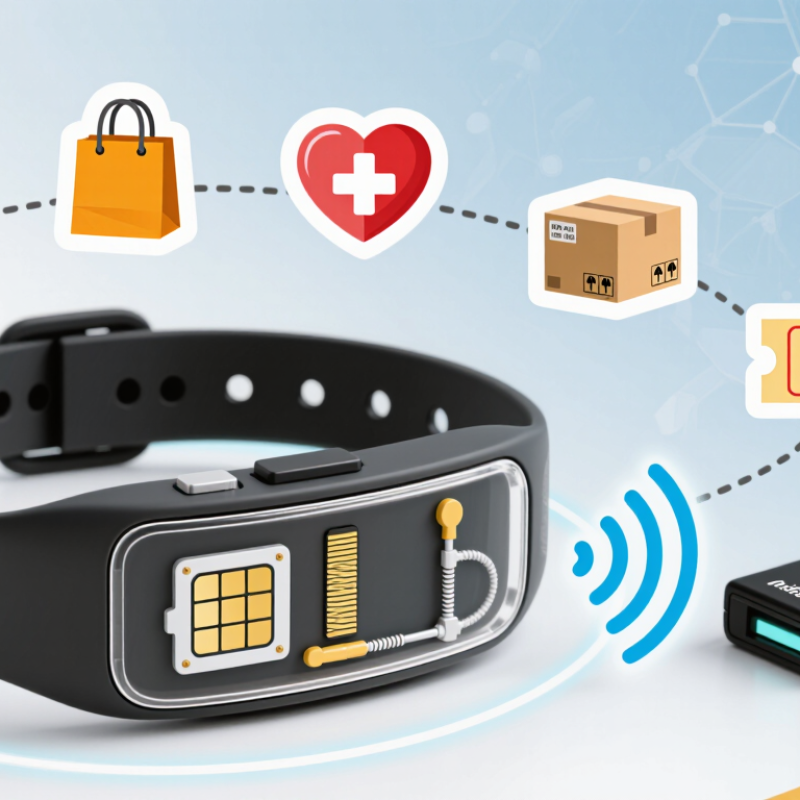
Table of Contents [Hide]
What Is an RFID Wristband and What Are Its Main Components?
An RFID wristband is a wearable identification device that communicates through radio waves. Its main component is the RFID inlay, which contains a tiny integrated circuit and antenna. The circuit stores a unique identification number, while the antenna receives and returns radio signals. Most wristbands are passive, so they use energy from a nearby reader instead of a battery. Some specialized versions include batteries for longer reading distances.
The inlay is sealed inside a flexible strap, often made from fabric, silicone, or plastic. This outer material protects the electronics from sweat, light rain, and repeated bending. A reader sends a signal when the wristband enters its range. The antenna captures that energy, and the chip sends back its stored data. Software then connects the identifier with approved information, such as an entry record or payment account. In practice, the reader, software, and wristband must work together. A reliable chip cannot fix poor reader placement.
Tips: Test wristbands on real wrists, not only on a desk. Metal objects, crowded entrances, and body position can affect reading performance. Keep the antenna area flat when possible. Also, collect only necessary data. It is easy to focus on speed and overlook privacy, comfort, or accidental scans. That mistake deserves another review.
Brands
Proudly Trusted by Top Suppliers Worldwide







Let us know and we will automate, together to fit your industrial needs.
 +91-97254 16844
Clients
Proudly Trusted by Top Companies Worldwide


Do you need Help? Get in touch.
X
Please fill out the form below and we will get back to you as soon as possible.