Top Robotic Solutions Transforming Industries and Enhancing Efficiency
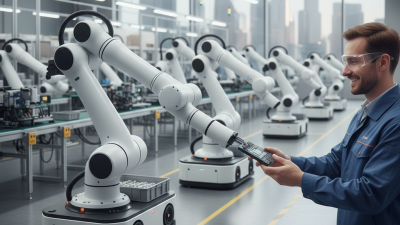
In today's rapidly evolving landscape, robotic solutions stand at the forefront of innovation. Industries from manufacturing to healthcare are embracing these technologies. These robotic systems enhance efficiency, streamline operations, and improve accuracy. For instance, automated arms in factories assemble components with remarkable precision. They reduce human error, saving time and costs.
Yet, the integration of robotic solutions is not without challenges. Companies often face high initial investments and the need for skilled personnel. Training employees to work alongside robots demands time and resources. There is also the emotional factor: workers may fear job displacement. This aspect requires careful consideration as businesses adopt robotic technologies.
Despite these concerns, the benefits are substantial. Industries that adapt will find themselves more competitive. Robotic solutions bring about a transformative change, reshaping traditional practices. This change invites a deeper reflection on our relationship with technology and its role in our future.
Impact of Robotics on Manufacturing Efficiency and Productivity

Robotics is reshaping the manufacturing landscape. Automated systems take on repetitive tasks. This reduces human error and enhances precision. Factories now utilize robots for assembly, welding, and painting. These machines operate continuously, boosting overall productivity. Workers can focus on complex, creative tasks. However, this shift raises concerns.
Job displacement is a reality many face. While robots increase efficiency, they may lead to fewer jobs. The balance between automation and human labor is a delicate one. Some industries adapt quickly; others struggle. Implementation costs can be high. Training employees to work alongside robots is essential, but often overlooked.
Energy efficiency is another critical aspect. Robots can optimize energy consumption, lowering operational costs. Yet, companies must continuously evaluate their systems. Are they using robotics effectively? Is the technology meeting the desired goals? Reflection on these questions ensures improvement. In the quest for efficiency, there's still much to learn.
Key Robotic Solutions in Supply Chain Management and Logistics
The integration of robotic solutions in supply chain management and logistics is rapidly changing the industry.
Automation enhances speed and accuracy while minimizing human error. Robots streamline operations, from sorting packages to managing inventory in warehouses. They can work around the clock, improving efficiency significantly.
Using robotics in logistics isn't just about speed. It's also about reliability. Automated systems help businesses reduce costs and improve service delivery. Workers can focus on more complex tasks, leaving routine jobs to machines. This creates a more balanced workload.
Tips: Assess the specific needs of your operations before implementing robotic solutions. Not all robots are suitable for every task. Additionally, consider the potential impact on your staff. Training and adaptability are crucial for a smooth transition. Maintaining a human touch is essential, even as you embrace automation.
Automation in Healthcare: Robotics Enhancing Patient Care and Operations
Robotics is revolutionizing healthcare. Hospitals are increasingly adopting automation to enhance patient care and streamline operations. One study found that robotic-assisted surgeries can reduce hospital stay by up to 30%. These systems provide precision, which is crucial for successful outcomes. Surgeons can focus on complex tasks, while robots handle repetitive actions.
Additionally, robotic systems improve efficiency in hospital management. A recent report indicated that automation can decrease administrative tasks by 40%. This allows medical staff to devote more time to patients. Robots also assist in inventory management, reducing errors and ensuring essential supplies are always available. However, not all implementations have been perfect. In some cases, the high initial costs have led to budgetary concerns.
Patient interactions with robots are growing. From robotic nurses to virtual assistants, these innovations aim to improve the patient experience. However, there are concerns about the loss of human touch. Many patients express hesitance toward robotic solutions. Balancing technology with empathy remains a challenge in healthcare.
Automation in Healthcare: Robotics Enhancing Patient Care and Operations
Robotics is changing the agricultural landscape significantly. Farmers now use drones for crop monitoring. These drones can survey vast fields quickly. They provide real-time data on crop health. This helps farmers make informed decisions.
Soil management has also improved. Some robotic solutions are designed for precision farming. They analyze soil conditions accurately. With advanced algorithms, they optimize planting schedules. However, not all farmers can access these technologies. Affordability and training are big barriers. Many still rely on traditional methods.
Another innovation is robotic harvesting. These machines can pick fruits and vegetables efficiently. They reduce labor costs and increase productivity. But they are not perfect. Sometimes they damage crops during the process. This flaw needs addressing to ensure better results. As technology grows, farmers must adapt and reconsider their methods.
Top Robotic Solutions Transforming Industries and Enhancing Efficiency - Agricultural Innovations: Robotics Revolutionizing Crop Management
Technology
Application
Benefits
Impact on Yield (%)
Autonomous Tractors
Field Tillage and Planting
Increased efficiency and reduced labor costs
30%
Drones
Crop Monitoring and Spraying
Precision application and reduced pesticide use
20%
Robotic Harvesters
Fruit and Vegetable Harvesting
Reduced harvest time and labor dependency
25%
Soil Sensors
Soil Moisture Monitoring
Optimized water usage and improved crop health
15%
AI-Powered Analytics
Data Analysis for Crop Management
Enhanced decision-making and resource allocation
18%
The Future of Robotics in Service Industries and Workforce Integration
The future of robotics in service industries reveals exciting possibilities. According to a recent report by the International Federation of Robotics (IFR), the adoption of robots in service sectors is projected to grow by 25% annually until 2030. This trend indicates a significant shift in how businesses operate and serve customers.
Integration with human workers remains a challenge. Many employees express concerns about job displacement. A study by Deloitte found that 40% of workers worry that automation will take their jobs. However, companies can address these fears by retraining workers. Upskilling is essential for creating a collaborative environment between humans and robots.
Tips: Focus on education. Encourage workers to learn new skills, particularly in technology. Regular training programs help ease the transition.
Another important aspect is customer interaction. Robots enhance efficiency but can lack the human touch. Studies show that 60% of customers prefer interacting with humans. Businesses need to balance technology and personal service. This balance can lead to customer satisfaction and loyalty.
Tips: Continuously gather feedback. Understand customer preferences. Adapt services to better integrate robots in a way that complements human interaction.