What is the Role of Restaurant Robots in Modern Dining?
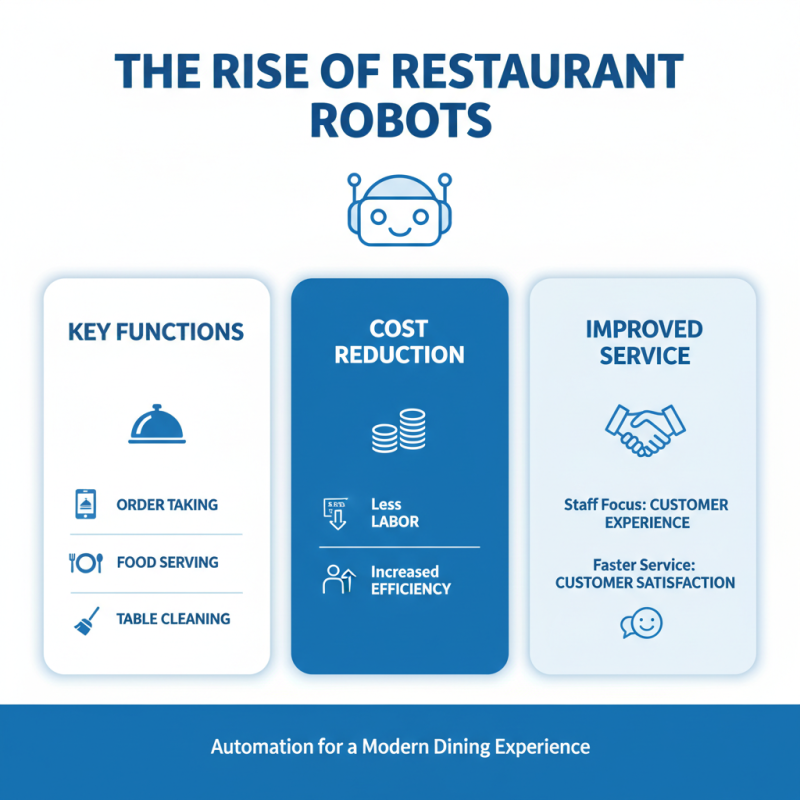
In recent years, restaurant robots have transformed the dining experience. These high-tech assistants streamline operations and enhance customer service. Chef Anna Wu, a leading expert in restaurant automation, states, "Robots in restaurants can improve efficiency while allowing staff to focus on personal interactions." This insight highlights a key benefit of integrating technology into dining.
The role of restaurant robots extends beyond simple tasks. They can take orders, serve food, and even entertain guests. For instance, some robots can dance or engage in conversations, creating a unique atmosphere. However, the reliance on these machines raises questions about the human touch in dining. Can technology truly replace the warmth of a smiling server?
Restaurant robots also pose challenges. While they improve efficiency, they may lead to job displacement. Some customers feel uncomfortable with robots handling their food. This balance between innovation and tradition needs careful consideration. As the restaurant industry evolves, finding harmony between tech and human interaction will define its future.
The Evolution of Restaurant Robots in the Dining Experience
The integration of robots in restaurants has drastically changed how we experience dining. Over the past decade, the development of robotic technology has moved from concept to reality. According to a recent industry report by the International Foodservice Technology Center, nearly 30% of restaurants are now exploring the use of robots in their operations. This shift illustrates a growing trend.
Robots streamline tasks like food delivery and order-taking. They help reduce wait times, making dining more efficient. For instance, a robot can navigate tables and serve dishes with accuracy. However, there are challenges. Some customers still prefer human interaction. A study from Restaurant Hospitality found that 60% of diners value personal service over technology. This poses a question: Can robots fully replicate the warmth of human touch?
As restaurant robots evolve, their designs are becoming more sophisticated. They're equipped with machine learning to improve service. Yet, they can also malfunction, causing delays or misunderstandings. A poorly timed delivery can dampen the dining experience. Restaurants must think carefully about where and how to implement these technologies. Balancing efficiency with customer satisfaction remains crucial in this evolving landscape.
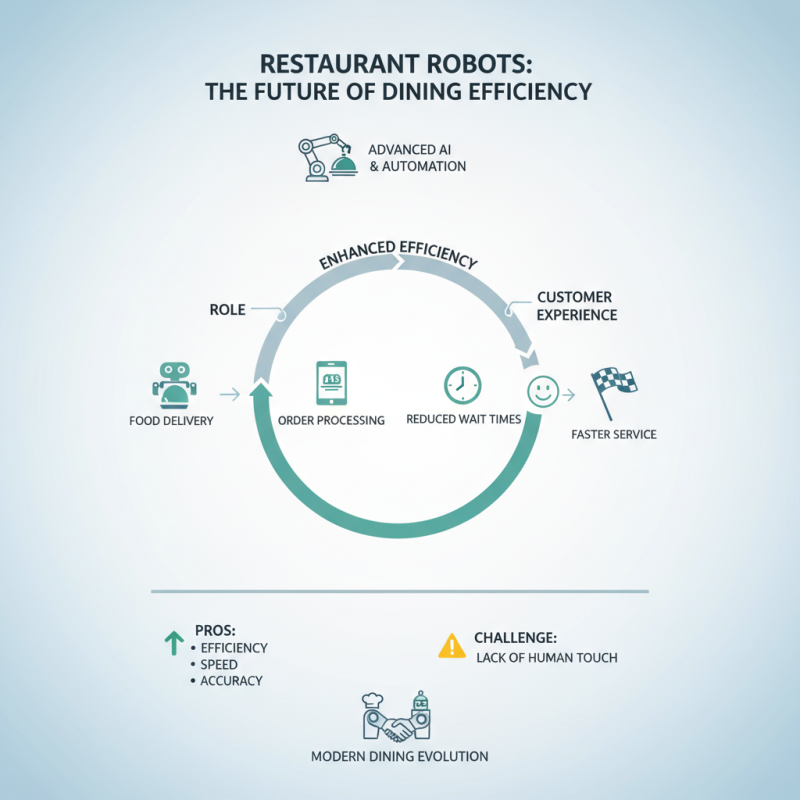
Key Technologies Powering Restaurant Robotics: AI and Automation
In modern dining, restaurant robots play a crucial role in enhancing efficiency. These robots harness advanced AI and automation technologies. They can manage tasks such as food delivery and order processing. This reduces wait times significantly. Customers enjoy fast service, yet the human touch sometimes feels lacking.
AI algorithms analyze customer preferences. They can recommend dishes based on past orders. This personalization is impressive, yet it raises questions. Are we losing the personal connection that comes from human interaction? While robots can operate seamlessly, there are occasional hiccups. A robot may misinterpret an order or delay service. These errors remind us that technology is not infallible.
Automation streamlines kitchen operations. Robots can prepare ingredients and cook meals. This can enhance consistency in food quality. However, relying too heavily on machines poses risks. What happens when technology fails? Staff training becomes essential to manage these situations. Human oversight is vital, even in a tech-driven environment.
Statistics on Customer Acceptance of Robotics in Dining Environments
As robotics in dining becomes more common, customer acceptance plays a vital role. Recent studies reveal that around 60% of diners are open to interacting with robots. They appreciate speed and efficiency. Yet, many still prefer human interaction for personal touch. This creates a unique challenge for restaurants. Balancing technology with warmth is essential.
Surprisingly, not all customers feel positive about robots. Some express concerns about job losses and reduced human connection. Others question the reliability of robotic services. Despite these doubts, many enjoy the novelty of robotic waiters or cooking assistants. The fascination with technology often overshadows the complexities of customer preferences.
Robot usage can improve service and efficiency. However, the mixed feelings of customers indicate a need for careful implementation. Restaurants must consider the dining experience as a whole. Engaging customers might require not just robots but also innovative ways to ensure a pleasant atmosphere. Dining should be enjoyable, whether through human touch or advanced technology.
Customer Acceptance of Restaurant Robots in Modern Dining
This chart illustrates the acceptance rate of restaurant robots among customers in modern dining environments. As shown, a significant portion of customers (30%) are highly accepting of robots, while 40% are somewhat accepting. Only a small fraction express outright unacceptance.
Impact of Restaurant Robots on Labor Costs and Efficiency
Restaurant robots are increasingly becoming a common sight in modern dining establishments. They perform tasks such as taking orders, serving food, and even cleaning tables. This automation can significantly reduce labor costs. Fewer staff members are needed to manage the same volume of customers. With robots handling routine tasks, human staff can focus on providing better customer service.
However, the impact of these robots is not entirely positive. Many workers fear losing their jobs to machines. This creates tension and resentment within the workforce. Additionally, robots cannot replicate the personal touch that human servers bring to dining. They may also struggle with complex orders or specific customer requests. These limitations can frustrate diners and affect their overall experience.
Efficiency is improved, but at a cost. Restaurants must balance automation with human interaction. They need to consider whether cost savings are worth the potential loss of customer satisfaction. In some cases, relying too heavily on technology can lead to a mechanical atmosphere. The challenge lies in finding the right blend of robots and human workers to create a harmonious dining experience.
Future Trends: The Next Generation of Restaurant Robotics and Customer Service
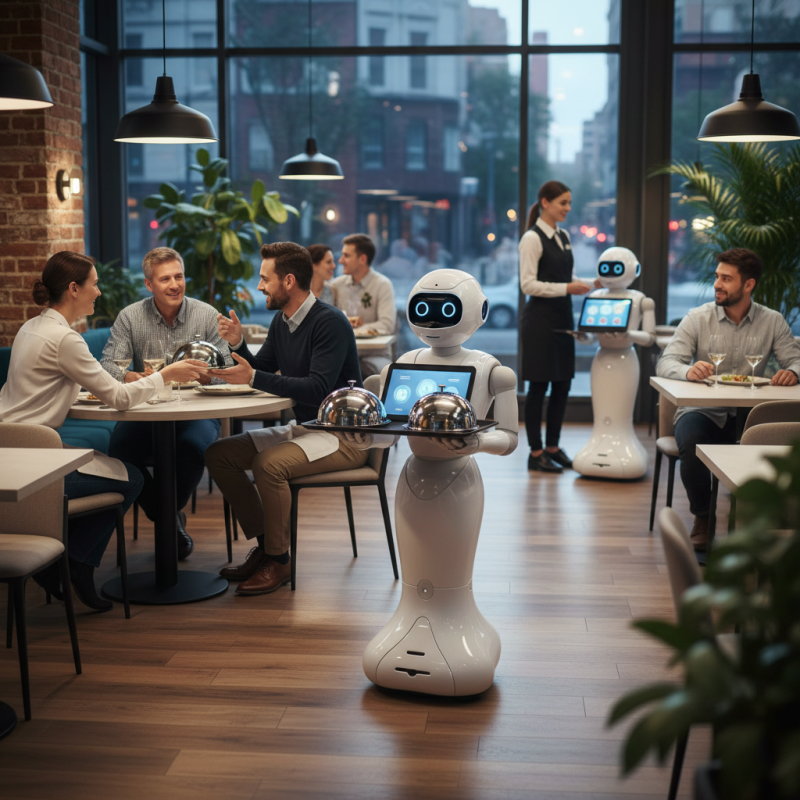
The next generation of restaurant robotics is changing how we dine. Robots can now take orders, serve food, and even entertain guests. Imagine a robot gliding smoothly between tables, delivering dishes with precision. They are fast and efficient, often reducing wait times significantly. However, reliance on technology has its downsides.
Some diners feel the lack of human interaction. A cheerful server can elevate a meal, creating a personal touch that robots struggle to replicate. There’s a distinct vibe to human conversation that technology cannot mimic. Customers may miss the empathy and warmth that only a human can provide. It's a trade-off: efficiency for connection.
In the future, the challenge will be integrating robots while maintaining the dining experience. Can robots learn to understand and respond to customer emotions? Will they be able to adapt in busy, unpredictable environments? These are questions that restaurants must grapple with as they embrace this evolution. The balance between innovation and intimacy in dining remains delicate. Finding it may define the future of restaurant service.