o
p
t
i
m
a
r
o
b
o
t
i
c
s

Make a Call


Make a Call
Blogs
What Is a Soft Lamination Machine and How Does It Work?
A Soft Lamination Machine joins two or more flexible materials into one functional composite. Common materials include plastic film, paper, aluminum foil, and coated substrates. In production, the machine unwinds each web from separate rolls. An adhesive unit applies a controlled layer to one surface. The adhesive may be water-based, solvent-based, or solventless, depending on the model and product requirements.
The web then moves through heated or pressure-controlled rollers. These rollers press the layers together and help create consistent contact. Drying or curing may follow. The finished material is rewound into a larger roll. Small details matter. Uneven tension can cause wrinkles, telescoping, or poor bonding. Excess adhesive may create blocking between layers. Insufficient pressure can leave weak areas that fail during later processing.
This article explains how the equipment works, from unwinding and coating to bonding and rewinding. It also considers the operator’s role. Experienced operators monitor web alignment, roller temperature, adhesive weight, and curing time. They often inspect the roll edge and surface under strong lighting. A clean edge can reveal problems early.
It is tempting to call the process fully automatic. That description is incomplete. Every substrate behaves differently. Humidity, surface treatment, line speed, and adhesive selection can change the result. Reliable operation therefore requires manufacturer guidance, documented settings, and practical testing. The machine may look straightforward, but its performance depends on many connected decisions. Understanding those decisions helps users evaluate quality more accurately and avoid assumptions that seem reasonable but prove costly.
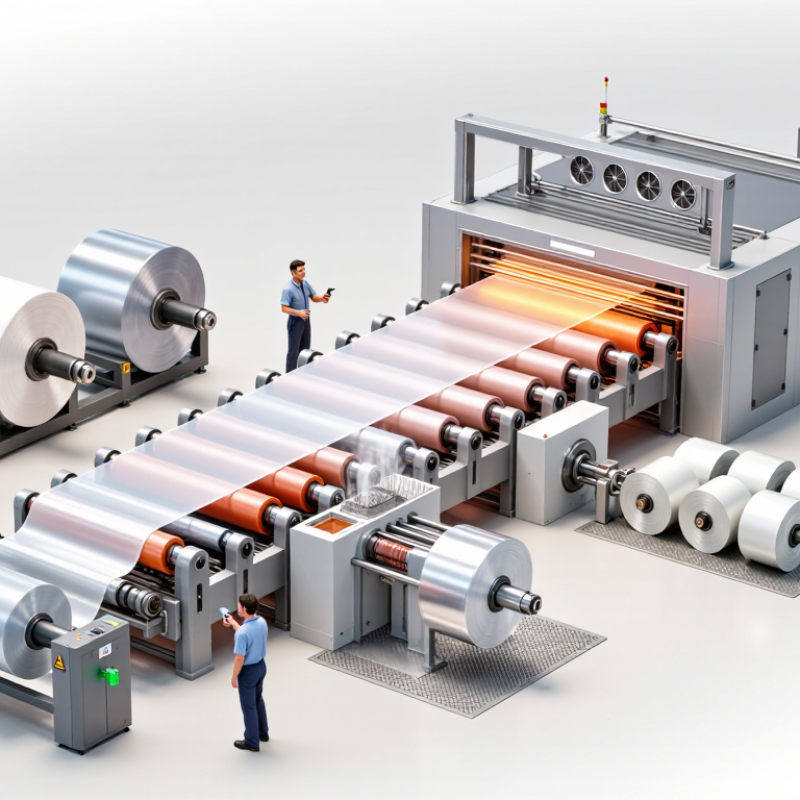
Table of Contents [Hide]
Definition, Structure, and Role of a Soft Lamination Machine
A soft lamination machine joins flexible materials into a stable, multi-layer structure. It commonly handles films, foils, paper, and thin fabrics. Its role is practical: it protects printed surfaces, improves stiffness, and supports cleaner converting. “Soft” describes the pressure system, not a weak result.
The machine usually contains an unwinding unit, alignment guides, an adhesive or coating section, heated rollers, cooling rollers, and a rewinding unit. Material moves through the line under controlled tension. Adhesive bonds the layers, while heated rollers help spread it evenly. Cooling rollers then stabilize the finished web.
Temperature, nip pressure, and line speed require close adjustment. Small errors matter.
Operators watch the edges for wrinkles, bubbles, and shifting layers. They may test bond strength and inspect the surface under direct light. Excessive pressure can stretch a thin film. Low pressure can create weak bonding. Cleaning is easy to underestimate, especially around rollers and coating parts. A soft lamination machine cannot repair dusty materials or poor alignment. Its performance depends on preparation, measured settings, and regular checks. The process is highly controllable, but never perfectly forgiving.
Brands
Proudly Trusted by Top Suppliers Worldwide







Let us know and we will automate, together to fit your industrial needs.
 +91-97254 16844
Clients
Proudly Trusted by Top Companies Worldwide


Do you need Help? Get in touch.
X
Please fill out the form below and we will get back to you as soon as possible.