o
p
t
i
m
a
r
o
b
o
t
i
c
s

Make a Call


Make a Call
Blogs
What Is Strength Equipment for Global Buyers?
For global buyers, Strength Equipment means more than barbells, racks, and impressive product photos. It represents a complete purchasing decision involving safety, durability, training goals, logistics, and after-sales support. A commercial gym in London may need compact cable machines. A hotel gym in Dubai may prioritize quiet operation, corrosion resistance, and simple maintenance. A public fitness center may require vandal-resistant frames and clear user instructions.
Dr. Brad Schoenfeld, a recognized resistance-training researcher, states, “Resistance training is the most effective means to increase muscle mass.” This principle guides equipment selection. Buyers should examine load capacity, adjustment systems, weld quality, padding density, and movement stability. They should also request test reports, warranty terms, spare-parts availability, and installation guidance. A low factory price can become expensive after shipping, customs, assembly, and repairs. That part is often underestimated.
There is no universal best machine. Not even close. Space, user ability, local climate, budget, and training culture all change the answer. Buyers should compare suppliers through documented specifications, factory audits, sample testing, and verified customer feedback. Relevant standards and import requirements must also be checked for each destination market. Regulations differ, and assumptions create avoidable risk. The strongest sourcing process may still contain gaps. Product samples can perform well while large production batches vary. Therefore, global buyers should keep written acceptance criteria and inspect shipments before approval. This guide explores how to evaluate Strength Equipment with practical judgment, technical awareness, and a willingness to question attractive promises.
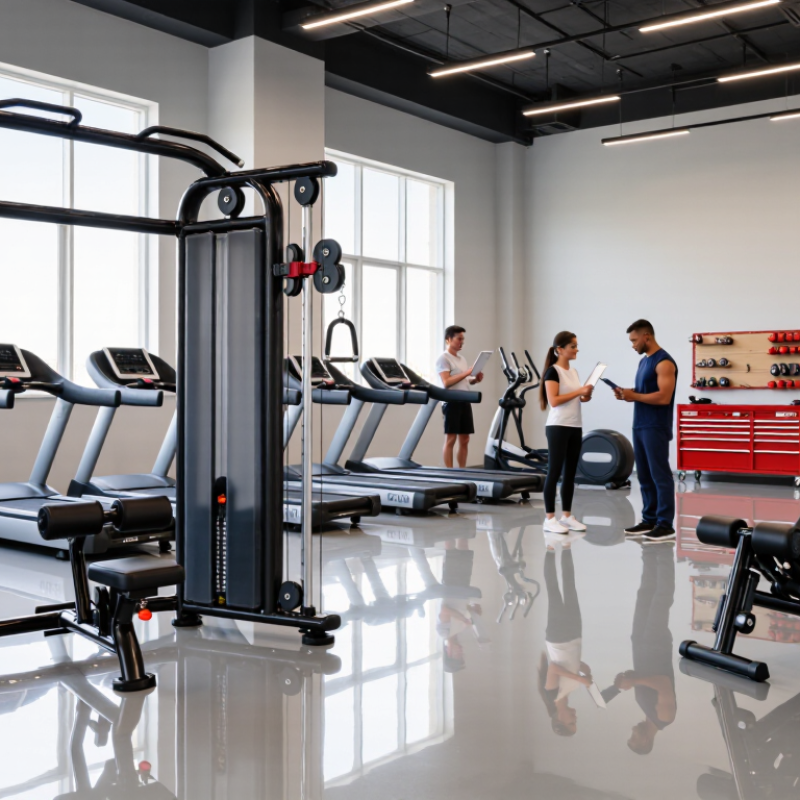
Table of Contents [Hide]
Definition and Core Purpose of Strength Equipment
What Is Strength Equipment for Global Buyers?
Strength equipment is designed to create controlled resistance during physical training. It includes free weights, benches, racks, cable systems, selectorized machines, and resistance accessories. Its core purpose is simple: help users build muscle strength, improve stability, and track gradual progress. A well-designed unit guides movement while allowing appropriate loading for different experience levels.
For global buyers, equipment must work beyond a product photograph. Frame thickness, weld quality, adjustment points, load ratings, and surface protection affect daily performance. A commercial rack may support repeated use, while a compact home unit may prioritize easy storage. I have found that unclear specifications create more problems than higher prices. Weight measurements, package dimensions, installation needs, and maintenance instructions should be checked carefully. Comfort matters too. A narrow bench or awkward handle can reduce safe, consistent use.
Tips
Ask for verified load data and material details. Check whether replacement parts are available in your market. Review safety instructions, warranty terms, and inspection procedures before ordering. Test the adjustment range with real users when possible. A heavier machine is not always better. Sometimes, simpler equipment is easier to maintain and more reliable. Allow room for user error; even strong equipment needs regular inspection. Think about flooring, ceiling height, delivery access, and local electrical requirements for powered systems.
Brands
Proudly Trusted by Top Suppliers Worldwide







Let us know and we will automate, together to fit your industrial needs.
 +91-97254 16844
Clients
Proudly Trusted by Top Companies Worldwide


Do you need Help? Get in touch.
X
Please fill out the form below and we will get back to you as soon as possible.