o
p
t
i
m
a
r
o
b
o
t
i
c
s

Make a Call


Make a Call
Blogs
What Is a Tactical Watch and How Does It Work?
A Tactical Watch is more than a dark case, oversized numerals, or a military-looking strap. It is designed for clear decisions under pressure, whether you are hiking through rain, working outdoors, or checking time with gloved hands. The label remains flexible. There is no single global definition.
Market data shows why this category deserves closer attention. Counterpoint Research reported that global smartwatch shipments increased in 2024, reflecting stronger demand for health, navigation, and outdoor functions. Grand View Research also projects continued growth in the global smartwatch market through the decade. However, these reports rarely isolate Tactical Watch sales. That gap matters. A rugged smartwatch and a professional field watch may serve similar users, yet they work differently.
Kikuo Ibe, the engineer behind G-SHOCK, once explained his design goal simply: “I wanted to make a watch that would not break, even if it was dropped.” That principle still shapes tactical design. A Tactical Watch may combine shock resistance, luminous hands, a protected crown, high water resistance, GPS, an altimeter, and a long-lasting battery. Its buttons should remain usable in cold rain. Its display should stay readable beside a bright window or under a weak headlamp. Some models depend on quartz accuracy; others use sensors and software that require charging and calibration. No feature is perfect. That is the uncomfortable part. Before choosing one, consider your real environment, wrist comfort, battery habits, and the reliability of its data. The toughest-looking watch may still be the wrong tool.
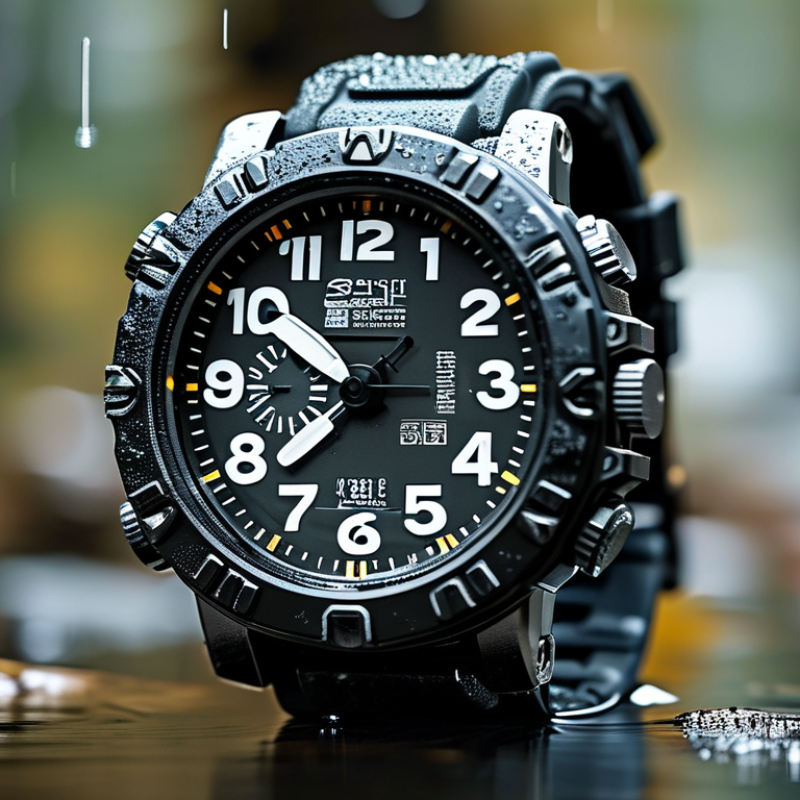
Table of Contents [Hide]
What Defines a Tactical Watch?
A tactical watch is defined less by appearance than by dependable performance under pressure. It is built for clear reading, controlled movement, and practical timing. A strong case protects the movement from shocks, dust, and sudden temperature changes. Water resistance matters, but its rating is not a promise for every activity. Seals age. They need testing.
The dial usually favors contrast, restrained markings, and hands visible in weak light. Some models use luminous material, though brightness fades with time. A secure strap and guarded crown reduce accidental adjustments. Reliable quartz movements offer precise timing with little maintenance. Mechanical movements can be valued for repairability, but they need regular winding or wearing. Neither choice is automatically superior. It depends on the user.
A tactical watch also earns its name through usability. Buttons should work with gloves, yet resist accidental presses. The case should sit firmly without restricting wrist movement. Extra scales, alarms, or digital sensors help only when they solve real problems. I have found that oversized features can slow quick reading. That weakness is often overlooked. Certification and test records provide stronger evidence than rugged language on packaging. Even then, field conditions can exceed laboratory assumptions, so periodic inspection remains sensible.
Brands
Proudly Trusted by Top Suppliers Worldwide







Let us know and we will automate, together to fit your industrial needs.
 +91-97254 16844
Clients
Proudly Trusted by Top Companies Worldwide


Do you need Help? Get in touch.
X
Please fill out the form below and we will get back to you as soon as possible.