o p t i m a r o b o t i c s

Blogs

Top 10 Tips for Choosing a Centre Lathe for Your Workshop?

Choosing the right Turning Centre Lathe for your workshop is crucial. It impacts your projects and productivity. With numerous options available, navigating the selection can be challenging. Each lathe has unique features that cater to different needs. Understanding these features is vital for making an informed decision.

When selecting a Turning Centre Lathe, consider the size and capacity. You may face trade-offs between space and functionality. Assess your workshop's layout to ensure the lathe fits comfortably. A larger machine offers more capabilities but can be overwhelming in a small space.

Another key factor is the type of materials you'll work with. Some lathes excel with specific materials, while others do not perform well. Do thorough research to avoid costly mistakes. Ultimately, it’s about finding a balance between quality, features, and budget. This process may feel daunting, but taking the time to reflect on your needs will lead to a more effective choice.
Top 10 Tips for Choosing a Centre Lathe for Your Workshop?

Understanding the Basics of Centre Lathes and Their Functions

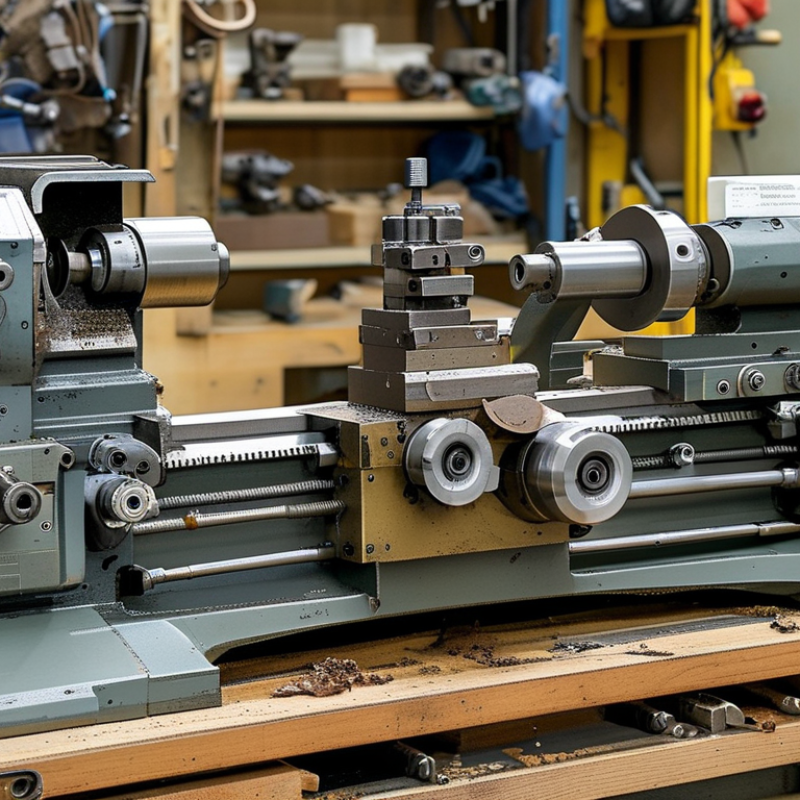
A centre lathe is a crucial tool in metalworking shops. It turns materials like wood or metal around a fixed axis. Understanding how a centre lathe works can enhance your machining skills. These machines perform operations such as turning, facing, and drilling. Each function has its unique applications and requires different setups.

When selecting a centre lathe, consider the size and capacity. Larger lathes allow for bigger projects. However, they take up more space. Smaller models are more manageable but limit your workpiece size. Pay attention to the spindle speed as well. Different materials require different speeds for optimal cutting. A variable-speed option might be advantageous if you work with various materials.

It’s essential to recognize your skill level and the complexity of your projects. Budgeting also plays a significant role. Quality lathes can be expensive, but they often provide better accuracy and longevity. Don't rush your decision. Take time to evaluate your workshop's needs before making a choice. Understanding these factors can lead to a more satisfying and productive machining experience.

Assessing Your Workshop Space and Power Supply Requirements

When you consider a centre lathe for your workshop, it's vital to assess your workshop space and power supply. Space constraints can severely limit your choices. An average workshop ranges from 200 to 500 square feet. You should measure your available space carefully. Also, remember to account for tool movement and operator safety zones.

Power supply is a crucial factor too. Most lathes require either 110V or 220V. Understanding your electrical setup is essential. A power requirement mismatch could lead to inefficient operations or worse, equipment failure. Make sure to consult electrical data from the Institute of Electrical and Electronics Engineers (IEEE). They suggest maintaining a reserve of 20% power capacity for future upgrades.

Tip: Always check the lathe's power rating and compare it to your supply. If you have limited space, look for compact models designed for smaller workshops.

Assessing your workshop's spatial and electrical needs can prevent costly mistakes. You want a lathe that fits well and runs efficiently. Heavy machinery requires dedicated circuits. This is critical for safe operation. Engage with construction standards to ensure your setup complies with local regulations.

Identifying Key Features in Centre Lathes for Your Projects

Choosing the right centre lathe can make or break your workshop projects. Focus on key features to ensure you meet your needs. First, consider the swing over bed. This defines the largest diameter you can work with. A smaller lathe may limit your projects, while a larger machine could consume valuable space.

Next, pay attention to the bed length. A longer bed allows for larger workpieces, but they require more floor space. Think about your typical projects and how they fit. It’s essential to strike a balance between workspace and equipment size.

Another important factor is the spindle speed range. Different materials require varying speeds for optimal results. If your projects involve multiple materials, a wider speed range is beneficial. It shows versatility, but may complicate operations. Experimenting with speeds can reveal the best approach for your workflows.

Evaluating Budget Considerations for Purchasing a Centre Lathe

When considering a centre lathe purchase, budget plays a crucial role. Understanding your financial limit helps narrow down options. It's essential to assess both initial and ongoing costs. The initial price might seem affordable, but maintenance can add up. Factor in repairs, tools, and tooling, which may exceed initial savings.

Evaluate the features that matter most to your work. A basic model might suit simple projects, while advanced designs cater to complex tasks. Think about the materials and size you typically work with. Sometimes, a larger machine is tempting but can strain your budget. Calculate the cost per hour for each option, including wear and tear.

Reflect on the value of a second-hand machine. It can reduce costs significantly. However, ensure you check its condition thoroughly. Unseen issues can lead to larger expenses later. This choice often requires more trust in your assessment skills. Investing in quality might mean spending more upfront, but it could save money over time.

Top 10 Tips for Choosing a Centre Lathe for Your Workshop

Researching Brands and User Reviews for Informed Decision-Making

When choosing a centre lathe, user reviews and brand research are vital. Start by exploring online forums and specialized websites. Users often share specific experiences about performance and reliability. These insights help you understand what to expect from different models.

Look for detailed feedback, especially regarding features that matter most. Does the lathe produce consistent results? Are there issues with it over time? Analyzing these reviews reveals common problems and strengths. Pay attention to the number of reviews and the overall ratings. A high number of reviews typically indicates a more reliable product.

Brand reputation also matters, but it is not everything. Some lesser-known brands may surprise you with their quality. Weigh the opinions of experienced users against marketing claims. Sometimes, a popular brand may not meet your needs. Trusting user experiences leads to more informed choices. Your workshop deserves a lathe that meets your expectations, not just a popular one.

Brands

Proudly Trusted by Top Suppliers Worldwide

Let us know and we will automate, together to fit your industrial needs.

Clients

Proudly Trusted by Top Companies Worldwide

Do you need Help? Get in touch.

X

Please fill out the form below and we will get back to you as soon as possible.

    Subscribe our newsletter & get updates