o
p
t
i
m
a
r
o
b
o
t
i
c
s

Make a Call


Make a Call
Blogs
7 Tips for Choosing an Intermittent Pressure Device?
Choosing an Intermittent Pressure Device requires more than comparing pressure ranges or attractive product features. The clinical purpose matters. Venous thromboembolism affects up to 900,000 people annually in the United States, according to the Centers for Disease Control and Prevention. That figure gives the decision real weight. A poorly matched device may reduce comfort, limit adherence, or complicate routine monitoring.
Evidence should guide the shortlist. NICE guideline NG89 recommends intermittent pneumatic compression for selected hospital patients when pharmacological prevention is unsuitable or insufficient. The recommendation also stresses correct fitting, regular skin checks, and continued use according to clinical need. These details are easy to overlook. They matter at the bedside, where a cuff can shift, tubing can kink, or a patient may quietly remove it. The World Health Organization’s Global Patient Safety Action Plan also emphasizes safe, user-centered care and reliable device practices. Those principles apply here.
A practical evaluation should examine pressure control, chamber sequencing, garment sizing, alarm clarity, cleaning requirements, battery performance, and service support. Ask whether staff can explain the settings without opening a manual. Check whether the device records therapy time. Confirm that replacement sleeves are available. Small details often decide long-term value.
The best choice is not always the most powerful model. It is the device that fits the patient, workflow, and documented clinical objective. Evidence can still be incomplete. Patient comfort remains partly subjective. That is why trials, staff feedback, and reassessment should shape the final decision. These seven tips provide a structured starting point, not a substitute for professional evaluation or the manufacturer’s instructions.
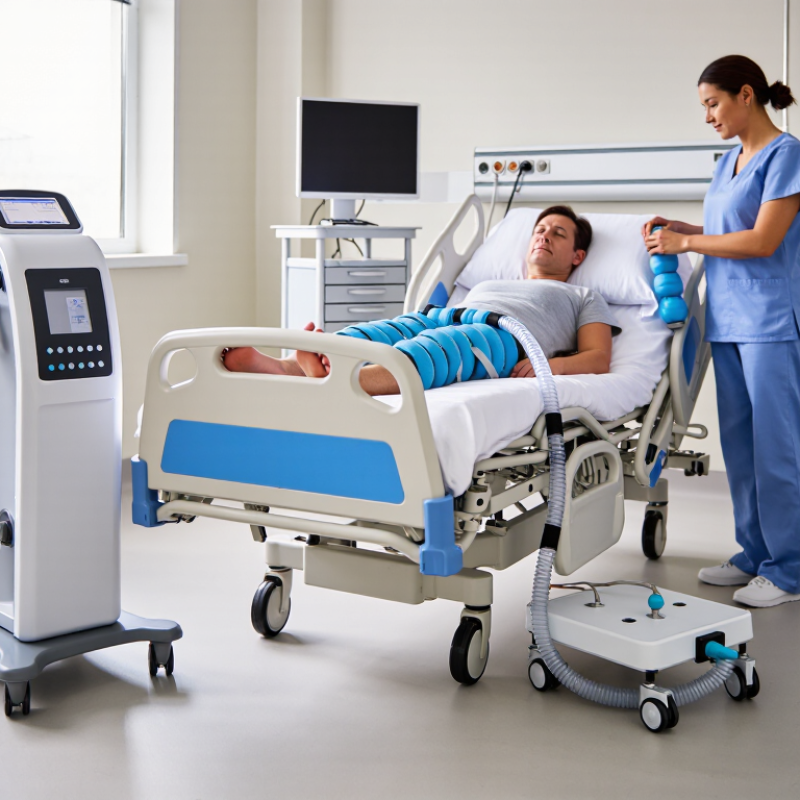
Table of Contents [Hide]
What an Intermittent Pressure Device Is and How It Works
An intermittent pressure device uses inflatable sleeves, cuffs, or garments to apply measured pressure to a limb. Air chambers inflate and release in repeated cycles. This pattern can support fluid movement and improve circulation in selected situations. It does not provide constant compression. The changing pressure feels more like a gentle squeeze than a tight bandage.
The device usually includes an air pump, tubing, and adjustable controls. Some models inflate from the foot upward, while others use separate chambers. This sequence may help move fluid toward the body’s central circulation. A proper fit matters. A loose sleeve can reduce contact, while excessive pressure may cause pain, numbness, or skin irritation. Check the size guide carefully, and inspect the skin after each session.
When choosing an intermittent pressure device, consider the intended body area, pressure range, cycle options, noise, and cleaning requirements. Ask a qualified healthcare professional whether the device suits your condition, especially with reduced sensation, vascular disease, swelling of unknown cause, or recent surgery. I once assumed stronger pressure meant better results. That judgment was too simple. Comfort, correct timing, and consistent use often matter more. Keep records of discomfort, swelling changes, and session length. Stop using the device if unusual pain, color changes, or sudden swelling appears. Simple controls help. Clear instructions help more.
Brands
Proudly Trusted by Top Suppliers Worldwide







Let us know and we will automate, together to fit your industrial needs.
 +91-97254 16844
Clients
Proudly Trusted by Top Companies Worldwide


Do you need Help? Get in touch.
X
Please fill out the form below and we will get back to you as soon as possible.