o
p
t
i
m
a
r
o
b
o
t
i
c
s

Make a Call


Make a Call
Blogs
7 Tips for Choosing Backhoe Loader Buckets
Choosing the right Backhoe Loader Buckets can change how quickly a machine digs, loads, and finishes a site. A bucket that looks suitable in a catalog may perform poorly in wet clay, compacted gravel, or narrow utility trenches. Experienced operators usually judge more than capacity. They watch how the bucket enters the ground, how easily material releases, and whether the machine remains stable during repeated cycles.
Small details matter. Measure the trench width before selecting a bucket. Check the loader’s lifting capacity, hydraulic limits, pin dimensions, and coupler compatibility. Digging teeth can improve penetration in hard soil, while a smooth edge may leave a cleaner finish. A heavy-duty bucket suits abrasive rock, but it can reduce efficiency when the loader is too small. That trade-off is easy to overlook.
There is no perfect bucket.
Reliable selection combines manufacturer specifications with real jobsite experience. Talk with operators who have used similar equipment in comparable conditions. Inspect wear patterns on existing buckets; uneven teeth or cracked side plates often reveal poor matching or harsh operating habits. These signs deserve attention. Still, field feedback is not infallible, and one contractor’s best choice may fail on another site. The following seven tips examine bucket type, size, material, teeth, attachment fit, maintenance needs, and total operating value. Together, they provide a practical framework for making a safer, more informed decision.
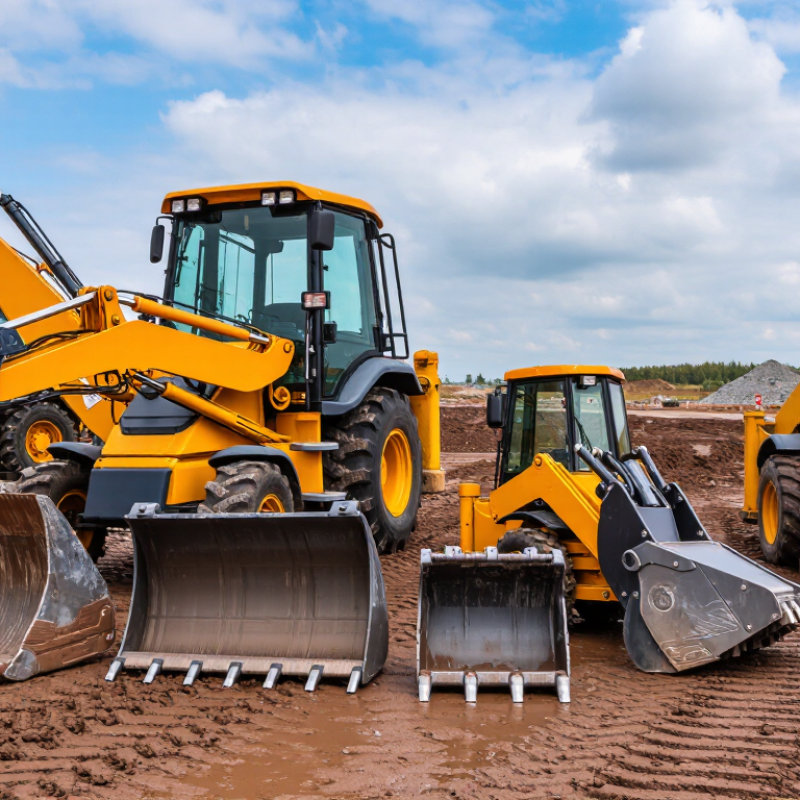
Table of Contents [Hide]
Identify the Backhoe Loader’s Main Tasks and Working Conditions
7 Tips for Choosing Backhoe Loader Buckets
Identify the Backhoe Loader’s Main Tasks and Working Conditions
Start with the work. A digging bucket suits narrow trenches, while a wider bucket improves loading and grading. Match the bucket width to the trench design, material volume, and machine reach. A bucket that is too wide may overload the loader or damage nearby structures. A narrow bucket can waste fuel and increase passes.
In field inspections, I check soil moisture, rock content, access space, and ground stability. Dry clay may need stronger teeth and a reinforced cutting edge. Loose sand often benefits from a larger capacity bucket with suitable side profiles. Wet soil can stick inside the bucket, reducing the real payload. That matters.
Consider the daily task, not only the hardest task. Repeated digging, truck loading, and light cleanup may require different bucket features. Check the loader’s rated capacity, hydraulic limits, pin dimensions, and recommended bucket weight. These details should come from reliable technical documents and experienced service personnel. I once focused too much on bucket capacity and ignored clearance around a building. The choice looked efficient, but it slowed the entire crew. Site conditions changed after rain, too. Recheck them before purchase.
Brands
Proudly Trusted by Top Suppliers Worldwide






Let us know and we will automate, together to fit your industrial needs.
 +91-97254 16844
Clients
Proudly Trusted by Top Companies Worldwide


Do you need Help? Get in touch.
X
Please fill out the form below and we will get back to you as soon as possible.