o
p
t
i
m
a
r
o
b
o
t
i
c
s

Make a Call


Make a Call
Blogs
10 Tips for Choosing Carton Flow Racking Systems
Choosing Carton Flow Racking Systems is more than comparing prices or counting storage lanes. The right design can shorten picking routes, improve stock rotation, and reduce unnecessary handling in busy warehouses. However, performance depends on details that are easy to overlook.
A practical evaluation begins with real operating conditions. Measure carton length, width, height, and weight across your active product range. Record the busiest picking hours. Watch how cartons move on sample rollers, especially when loads vary. Small changes in carton surfaces can affect flow, braking, and replenishment speed. This is where warehouse experience matters.
A perfect system is unlikely. Early estimates can be wrong. Product dimensions may change after installation. Therefore, reliable decisions should combine site measurements, supplier specifications, safety guidance, and controlled testing. Ask manufacturers about roller pitch, lane capacity, frame strength, dividers, replenishment access, and maintenance support. Review how the system handles FIFO requirements and different stock turnover rates.
The ten tips in this guide will help you examine these factors clearly. They are designed for warehouse managers, logistics planners, and operations teams seeking practical improvements. Each tip connects equipment choices with daily work, from a picker reaching for a carton to a replenisher loading the rear of a lane. Careful planning can prevent expensive adjustments later. Yet flexibility still matters. Your warehouse will evolve, and the best Carton Flow Racking Systems should support that change rather than restrict it.
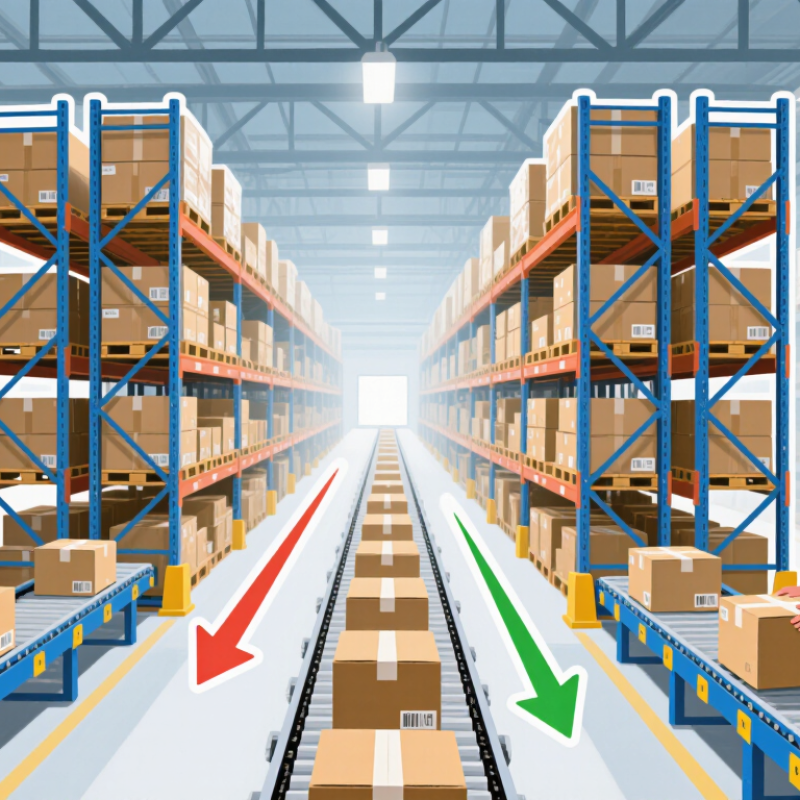
Table of Contents [Hide]
Define Carton Flow Racking and Its Core Operating Principles
Carton flow racking is a gravity-fed storage system for cartons, totes, or small containers. It uses inclined roller lanes, with products loaded from the replenishment side. Gravity moves each carton toward the picking face. This separates replenishment from picking and supports clear, repeatable order flow.
In daily operation, an employee loads stock at the higher rear position. The carton rolls gently until a brake, divider, or stop holds it safely. A picker removes the oldest accessible carton from the front. The next carton then advances automatically, supporting a practical first-in, first-out sequence. However, this sequence depends on correct loading discipline. Roller pitch and wheel spacing must match the carton base. A poor match can create wobbling, jams, or unexpected stopping.
From warehouse observations, performance depends on more than rack geometry. Carton weight, package friction, lane angle, and replenishment habits all affect movement. Too much slope can cause impact damage. Too little can leave cartons stranded. Operators should test representative loads before approving a layout. That step is often skipped. It should not be. Routine checks should cover brakes, rollers, labels, and frame connections. A useful design also leaves enough hand clearance and keeps heavy cartons at manageable heights. Even experienced teams can misjudge seasonal packaging changes, so the system deserves another review when carton dimensions change.
Brands
Proudly Trusted by Top Suppliers Worldwide






Let us know and we will automate, together to fit your industrial needs.
 +91-97254 16844
Clients
Proudly Trusted by Top Companies Worldwide


Do you need Help? Get in touch.
X
Please fill out the form below and we will get back to you as soon as possible.