o
p
t
i
m
a
r
o
b
o
t
i
c
s

Make a Call


Make a Call
Blogs
10 Tips for Buying the Right Run Capacitor
Choosing the right Run Capacitor is a small decision with visible consequences. A wrong value can cause humming, overheating, weak starting, or early motor failure. The International Energy Agency reports that electric motors consume about 45% of global electricity. Even modest efficiency losses deserve attention.
The U.S. Department of Energy also identifies motor systems as major industrial energy users. This makes capacitor selection more than a replacement task. It becomes a maintenance and energy-management decision. IEC 60252-1 provides important requirements for AC motor capacitors, including electrical performance and safety considerations. Market research from Grand View Research indicates continued growth in the global capacitor industry, driven by appliances, HVAC equipment, and industrial automation.
Motor-drive specialist Dr. Paul C. Krause offers a useful principle: “Motor performance depends on matching the electrical conditions to the machine.” That principle applies directly to Run Capacitor selection. Voltage rating, capacitance, frequency, temperature, enclosure, and duty cycle must agree with the motor’s nameplate and operating environment. A dusty condenser unit in a hot rooftop cabinet needs different attention than a clean indoor fan motor.
The label may look simple. It is not.
This guide, “10 Tips for Buying the Right Run Capacitor,” focuses on practical checks before purchase. It explains how to read microfarads, avoid undersized voltage ratings, verify terminal layouts, and recognize counterfeit or poorly specified products. Some recommendations are intentionally cautious. Real equipment varies, and a neat rule can fail in the field. When measurements conflict with assumptions, trust documented measurements and qualified technical advice.
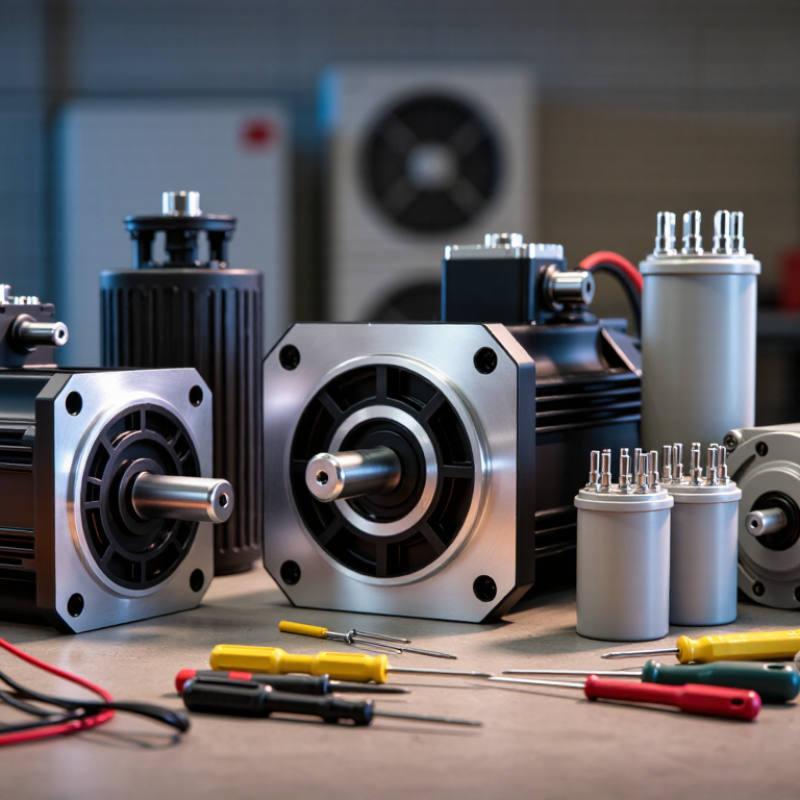
Table of Contents [Hide]
Identify the Run Capacitor’s Required Specifications
10 Tips for Buying the Right Run Capacitor
Identify the Run Capacitor’s Required Specifications
When buying a run capacitor, begin with the motor nameplate and service manual. These sources usually provide the required capacitance, voltage, frequency, and application details. Capacitance appears in microfarads, shown as μF or MFD. Match this value closely. Even a small difference can increase motor heat, reduce efficiency, or cause unstable operation. Never guess.
The voltage rating must meet or exceed the original capacitor’s rating. Never install a lower-rated unit. Check whether the motor uses a single or dual capacitor, and confirm the terminals match the wiring layout. A run capacitor is designed for continuous operation, unlike many start capacitors. Mixing these types can damage the motor. Physical details also matter. Measure the diameter, height, mounting strap, terminal spacing, and available clearance inside the equipment.
Read the temperature rating and capacitance tolerance before purchase. Outdoor condensers may face hot metal surfaces and harsh seasonal changes. Select a component rated for that environment. Before touching the capacitor, power must be isolated and stored charge safely discharged by a qualified technician. Inspect the old unit for bulging, leaking oil, burned terminals, or loose connections. Take clear photos of the wiring. I have seen correct electrical ratings fail because the terminal arrangement was copied incorrectly. My own early checks were too focused on μF values. The enclosure and connection details deserved equal attention.
Brands
Proudly Trusted by Top Suppliers Worldwide







Let us know and we will automate, together to fit your industrial needs.
 +91-97254 16844
Clients
Proudly Trusted by Top Companies Worldwide


Do you need Help? Get in touch.
X
Please fill out the form below and we will get back to you as soon as possible.