o p t i m a r o b o t i c s

Blogs

China Top 10 Dual Channel Syringe Pump Manufacturers

Dual Channel Syringe Pump systems support two syringe-driven fluid lines through one compact instrument. In research laboratories, clinical settings, and industrial testing, that arrangement can help operators manage separate fluids while saving bench space. But “dual channel” does not guarantee equal performance. Channel independence, flow-rate range, delivery accuracy, alarm behavior, syringe compatibility, and service access all deserve close inspection.

The market context is expanding. Grand View Research’s Global Infusion Pumps Market report estimated the broader market at USD 13.4 billion in 2023 and projected an 8.5% compound annual growth rate from 2024 to 2030. That figure covers infusion pumps generally, not dual-channel syringe pumps alone. A useful distinction. For buyers, specifications and documented testing matter more than a market headline. The U.S. Food and Drug Administration also identifies over-infusion, under-infusion, and alarm failures among infusion-pump safety concerns, underscoring the value of dependable design and support.

This overview of China’s top 10 Dual Channel Syringe Pump manufacturers compares product focus, technical documentation, customization, quality systems, and after-sales service. It is a practical starting point, not a substitute for testing. Published specifications can be difficult to compare directly, and supplier claims do not always describe real-world performance. Ask for model-specific data, verify certifications, and request a demonstration using the syringes and operating conditions relevant to your application. Small details count.
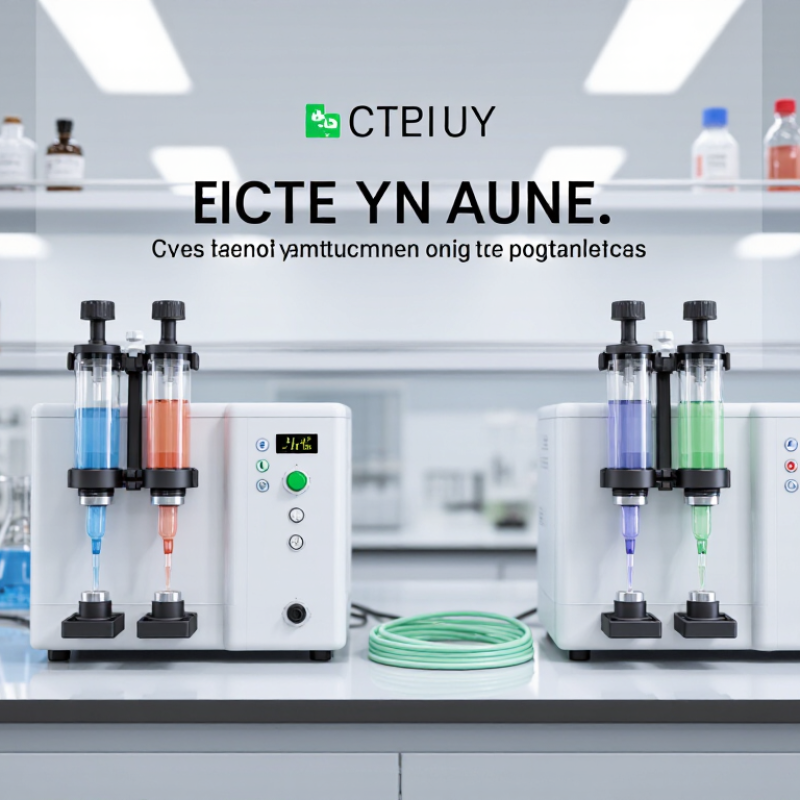
China Top 10 Dual Channel Syringe Pump Manufacturers

What Dual Channel Syringe Pumps Are and How They Work

A dual-channel syringe pump uses two separate drive mechanisms to move fluid from two syringes through independent lines. Each syringe rests in a cradle while a motor-driven pusher advances its plunger at a programmed rate. Users can set the flow rate and volume for each channel independently, allowing two fluids to be delivered at once or one channel to remain idle. The channels may run at different speeds. Small steps matter.

It sounds simple. In practice, accuracy depends on more than the display setting. Syringe size, plunger fit, tubing flexibility, fluid viscosity, and secure connections can all affect delivery. Before operation, users should confirm syringe dimensions, line routing, and channel settings, then check that the pump recognizes each syringe. A kinked tube or loose mounting can interrupt flow or trigger an alarm.

The channels are independent, but they share one instrument, so power, setup, and maintenance still matter. That distinction is easy to miss. Routine calibration and following the device instructions can improve consistency, though they cannot remove every source of error. For critical work, verify delivered volume with an appropriate measurement method.

Key Features and Specifications of Dual Channel Syringe Pumps

Dual-channel syringe pumps deliver fluid through two syringes at the same time, often with separate flow-rate settings. Check whether each channel can operate independently; some models link key settings. The stated flow range depends on syringe size, so compare specifications using the syringe types your lab or clinic actually uses. A wide range looks useful, but performance at very low rates deserves careful checking.

Important specifications include flow-rate accuracy, rate resolution, syringe compatibility, and the available delivery modes. Accuracy figures may come from controlled tests and can change with syringe brand, size, or setup. Ask how the manufacturer tested them.

Occlusion, near-empty syringe, and installation alarms help staff notice interruptions. Clear alarm limits matter. A silent or poorly understood alert can be a real problem.

Look for a secure syringe clamp, readable display, and simple channel identification. These details reduce mix-ups when two lines run beside each other on a crowded bench. Battery backup may help during power interruptions, but confirm its stated runtime and charging behavior. Also review calibration procedures and service support. Specifications are useful, yet they do not replace testing with the intended syringe and fluid. That part is easy to overlook.

How to Evaluate Chinese Syringe Pump Manufacturers

Evaluating Chinese Dual Channel Syringe Pump Manufacturers

A capable supplier should explain how each channel maintains flow accuracy across different rates and syringe sizes. Ask for test data, not only a catalog specification. Check whether the stated tolerance applies to both channels running at once. That detail can change how a pump performs in a real setup.

Look closely at calibration records, alarm behavior, and user documentation. Can operators set separate rates without confusing the channels? Are occlusion and end-of-infusion alarms easy to verify? Request a demonstration using the syringe types and tubing your team expects to use.

Small details matter.

Watch the display while changing settings, and note whether instructions match the actual menu.

Manufacturing consistency also deserves attention. Ask how incoming components are inspected, how finished pumps are tested, and whether serial-number records are available. Review service response times, spare-part availability, and training options before placing a large order. No checklist catches every issue. A remote demo may look smooth, while routine use reveals awkward steps. It is sensible to assess a sample unit over several operating cycles and record questions that remain unanswered. The best fit is not always the supplier with the longest feature list.

Profiles of 10 Chinese Dual Channel Syringe Pump Manufacturers

Profiles of ten Chinese dual-channel syringe pump manufacturers are most useful when they reveal engineering differences, not just product claims. Compare independent channel control, supported syringe sizes, flow-rate range, occlusion alarms, and calibration documentation. On a bench, two syringes may run side by side, yet uneven tubing or different syringe brands can affect delivery. Small details matter.

Grand View Research’s Syringe Pump Market report estimated the global market at about USD 1.1 billion in 2023 and forecast 8.8% compound annual growth from 2024 to 2030. This covers syringe pumps broadly, not dual-channel units alone. It signals demand, but does not prove that every manufacturer has equal technical depth. Look for published test methods, repeatability data, service arrangements, and clear manuals. Ask how performance changes at low flow rates.

A comparison based only on catalog specifications is imperfect. Some profiles may provide richer evidence than others, so treat missing data as a question, not a failing. Useful checks include whether each channel can be configured separately, how alarms identify a blocked line, and whether cleaning instructions suit routine laboratory or clinical workflows. Ask for documentation. And verify it.

Applications and Industry Trends in Dual Channel Syringe Pumping

Dual-channel syringe pumps support applications where two fluid streams must run independently or in a controlled ratio. In laboratory research, they can feed microfluidic chips, perfusion systems, and analytical instruments. A technician might use one channel for a reagent and the other for a buffer. Small errors matter. Different syringe sizes, tubing elasticity, and liquid viscosity can affect delivered flow, even when both channels use identical settings.

Industry development is moving toward more compact pumps, clearer digital controls, and better data logging. These features help operators track flow settings during long experiments and compare runs later. Some systems also offer pressure monitoring or communication with external equipment. Connectivity is useful, but it does not replace calibration. Setup still matters. Users should check syringe dimensions, flow range, tubing compatibility, and alarm behavior under realistic conditions.

Demand is also growing for flexible configurations that fit research, diagnostics development, and small-scale process testing. A dual-channel pump can simplify paired dosing, yet it cannot guarantee matched delivery by itself. That remains difficult. Good practice includes verifying each channel separately, recording the setup, and repeating checks after changing syringes or tubing. The trend is toward more capable instruments, though extra features can add setup time and create new points of failure.

Brands

Proudly Trusted by Top Suppliers Worldwide

Let us know and we will automate, together to fit your industrial needs.

Clients

Proudly Trusted by Top Companies Worldwide

Do you need Help? Get in touch.

X

Please fill out the form below and we will get back to you as soon as possible.

    Subscribe our newsletter & get updates







