o
p
t
i
m
a
r
o
b
o
t
i
c
s

Make a Call


Make a Call
Blogs
Top 10 Outdoor Steel Enclosure Box Manufacturers?
Outdoor Steel Enclosure Box manufacturers are gaining attention as industries demand safer, cleaner, and more durable equipment protection. These enclosures shield electrical controls, communication devices, and automation components from rain, dust, impact, and temperature changes. Grand View Research identifies industrial automation and control systems as important growth areas, supported by expanding manufacturing, energy, and infrastructure investment. This development increases demand for reliable enclosure solutions.
However, choosing a manufacturer requires more than comparing prices. A strong supplier should demonstrate steel quality, welding consistency, powder-coating performance, ingress protection, and dependable customization. IEC 60529 provides the widely used IP rating framework for protection against dust and water. In North America, NEMA 250 remains an important reference for enclosure construction and environmental protection. Corrosion resistance also deserves attention, especially in coastal facilities, chemical plants, and outdoor utility sites. ISO 12944 offers useful guidance for protective coating systems in corrosive environments.
This guide reviews the Top 10 Outdoor Steel Enclosure Box Manufacturers through practical criteria, including product range, material options, certifications, manufacturing capacity, lead times, and after-sales support. The list is not absolute. Market data often uses different definitions, and supplier performance can vary between regions and projects. A manufacturer may appear impressive online yet provide limited technical support after delivery. That detail matters. Buyers should verify test reports, drawings, warranty terms, and enclosure samples before making a final decision. The following comparison aims to provide a clearer, evidence-based starting point for engineers, distributors, and project managers.
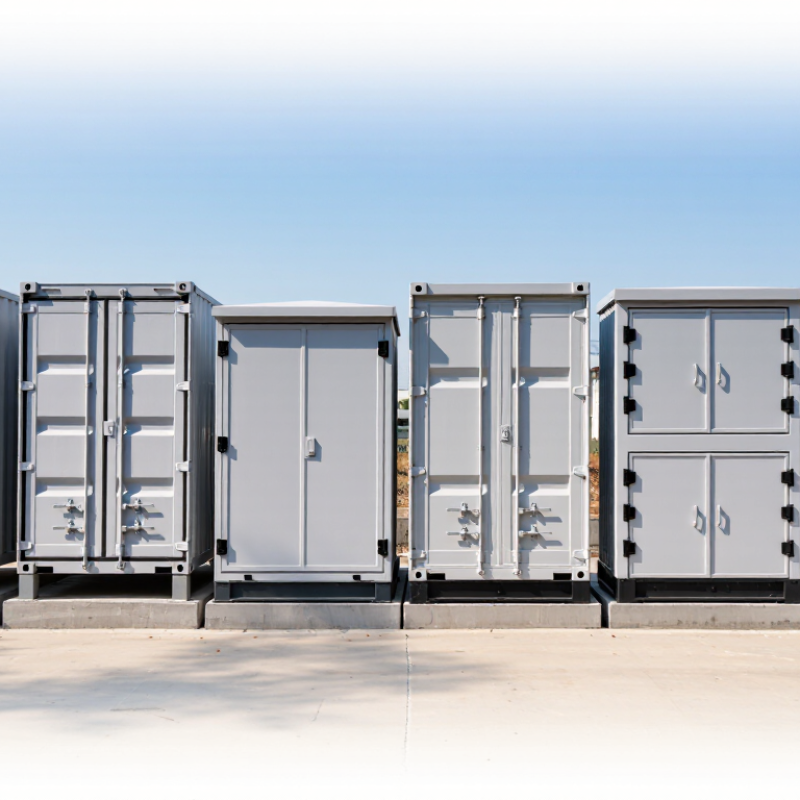
Table of Contents [Hide]
What Defines an Outdoor Steel Enclosure Box?
An outdoor steel enclosure box is more than a metal cabinet with a weatherproof door. It protects wiring, controls, and power equipment from rain, dust, impact, and temperature swings. The steel should resist corrosion through galvanizing, powder coating, or stainless construction. Weak coatings fail quickly near saltwater. That detail is often underestimated.
Ingress protection defines real performance. IEC 60529 rates IP resistance against solids and water, while NEMA 250 evaluates broader enclosure conditions, including corrosion and ice formation. MarketsandMarkets’ 2024 electrical enclosures report projects industry growth of roughly 6% annually through 2029. This demand reflects expanding industrial automation and outdoor infrastructure. Thermal control also matters. A sealed box can trap heat above component limits. Ventilation, heat exchangers, or sun shields may be necessary.
Tips: Check the site climate before choosing steel thickness or coating. Verify the required IP or NEMA level with test documentation. Inspect hinges, gaskets, drain holes, and grounding points during installation. Leave service space around heat-producing equipment. A perfect enclosure does not exist. Field conditions change, and even a strong design may need revision after one harsh season.
Brands
Proudly Trusted by Top Suppliers Worldwide







Let us know and we will automate, together to fit your industrial needs.
 +91-97254 16844
Clients
Proudly Trusted by Top Companies Worldwide


Do you need Help? Get in touch.
X
Please fill out the form below and we will get back to you as soon as possible.