Discover the Top 10 Pudu Robots Transforming Delivery Services?
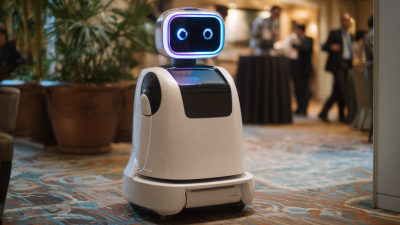
In recent years, the emergence of Pudu robots has revolutionized the delivery service industry. These innovative robots are designed to transport food, packages, and more within various environments, such as restaurants and hospitals. Their sleek design and advanced navigation systems ensure efficient delivery with minimal human intervention.
Pudu robots have gained popularity due to their reliability and user-friendly interfaces. Businesses leverage these robots to enhance service quality and reduce labor costs. In busy settings, their presence can significantly improve operational efficiency. However, challenges persist. Robot maintenance and the adaptation of staff are crucial for seamless integration.
The landscape of delivery services is rapidly changing, and Pudu robots are at the forefront. They are not just a trend; they symbolize the future of logistics. With continued advancements, these robots will reshape how we think about delivery. Yet, as with any technology, it is essential to reflect on their limitations and the human elements they cannot replace.
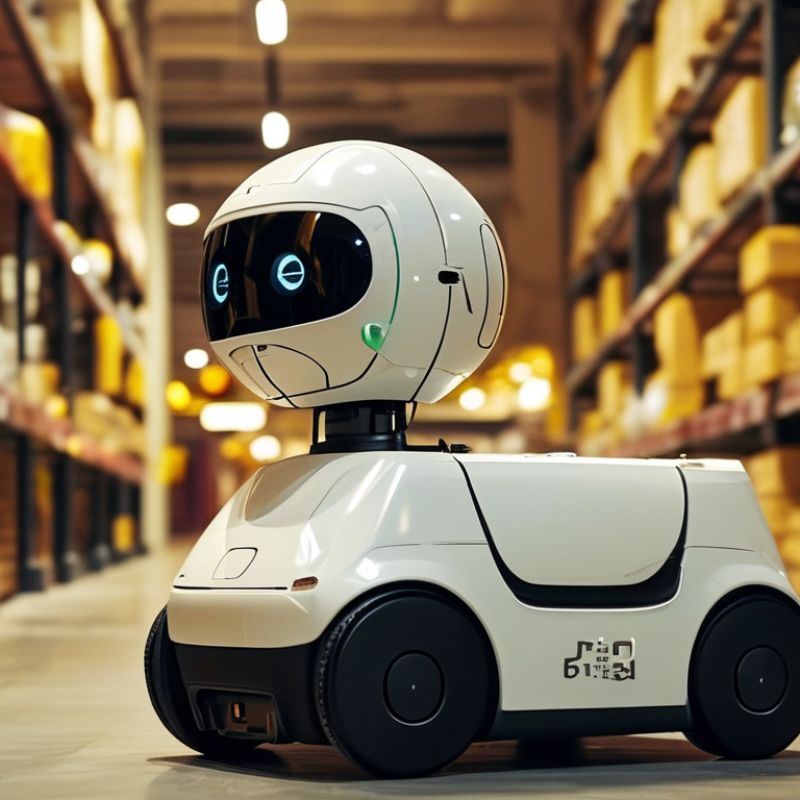
The rise of Pudu robots in delivery services marks a significant shift in the way goods are transported in urban environments. These robots are designed to navigate busy streets and crowded spaces efficiently. Equipped with sensors and cameras, they can avoid obstacles while delivering food or small packages. Their ability to operate autonomously has become a game-changer for businesses.
In recent years, many restaurants and retailers have started integrating these robots into their operations. The convenience these machines offer is undeniable. They reduce the manpower needed for deliveries, allowing staff to focus on customer service. However, the technology is not without its challenges. Some robots struggle with complex terrains or adverse weather conditions. Moreover, there are concerns about their impact on employment in the delivery sector.
While Pudu robots improve efficiency, they also invite reflection on the future of delivery services. Balancing automation with human jobs remains a pressing issue. Stakeholders must consider how to adapt as technology advances. The journey of integrating Pudu robots is ongoing, filled with both excitement and uncertainty.
Key Features of Pudu Robots Enhancing Delivery Efficiency
Pudu robots are revolutionizing delivery services with their innovative features. These robots are designed to navigate complex environments. Equipped with advanced sensors, they can avoid obstacles effectively. This capability makes them reliable for indoor and outdoor deliveries. Their design allows for safe interaction with pedestrians, reducing the risk of accidents.
One key feature is their autonomous navigation system. It enables them to chart efficient routes in real time. This efficiency enhances delivery speed and reduces operational costs. The robots can also carry multiple orders simultaneously, increasing productivity. Their user-friendly interface allows businesses to monitor deliveries easily. However, the technology is not without challenges. Issues such as battery life and maintenance require consideration.
A focus on real-world usage reveals mixed results. Some users report occasional navigation errors in crowded spaces. This can lead to delays and frustration. Continuous improvements are essential to address these concerns. Overall, Pudu robots show promise in transforming delivery services, but there is room for growth. Their ability to adapt and enhance delivery efficiency remains a work in progress.
Discover the Top 10 Pudu Robots Transforming Delivery Services
Robot Model
Max Load (kg)
Battery Life (hours)
Speed (km/h)
Navigation Type
Price Range (USD)
Model A
20
8
1.5
Lidar
5000 - 7000
Model B
25
10
2.0
Vision
6000 - 8000
Model C
30
12
2.5
Hybrid
7000 - 9000
Model D
15
7
1.2
GPS
4000 - 6000
Model E
35
15
3.0
Lidar
8000 - 10000
Top Industries Benefiting from Pudu Robots
The rise of Pudu robots is significantly reshaping multiple industries. According to a recent report by the International Federation of Robotics, the logistics and food service sectors have seen a marked increase in efficiency through automation. Pudu robots, designed for delivery tasks, can navigate complex environments. They ensure that goods reach their destinations swiftly, leading to a 30% reduction in delivery times in many urban areas.
In the healthcare industry, Pudu robots are making an impact as well. They facilitate the transport of items like medications and supplies within hospitals. A study by Healthcare Robotics shows that using delivery robots decreases the labor burden on staff by up to 25%.
However, the integration of robots comes with challenges. Staff may feel uncertain about job security. To address this, proper training and communication are essential.
The hospitality industry has capitalized on Pudu robots too. Hotels employ them for room service and other deliveries. Guests appreciate the novelty and convenience. Yet, some customers express concerns over personal interaction loss. It suggests that while technology enhances efficiency, it can inadvertently affect the service experience. The balance between automation and personal touch continues to be a topic of discussion in these sectors.
Case Studies: Successful Implementations of Pudu Robots
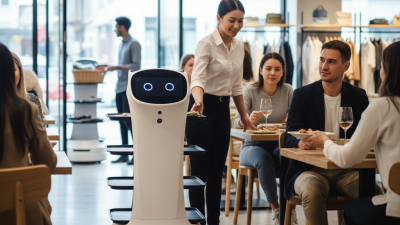
In recent years, Pudu robots have begun to reshape delivery services across various sectors. In restaurants, for example, these robots deliver food directly to tables. This reduces wait times and allows staff to focus on customer service. One notable implementation involved a high-traffic urban restaurant. The use of robots streamlined operations, but some customers found it less personal.
Another case study highlights a hospital utilizing delivery robots for medication and supply distribution. This approach minimized human contact and improved efficiency. However, some medical staff reported challenges with the robots navigating busy hallways. Adaptations were required to ensure smooth operations.
Despite their many advantages, integrating Pudu robots isn’t without difficulties. Technical glitches occasionally disrupt service. Staff training is vital for optimal collaboration between humans and robots. Observations show that while robots enhance speed, they may also create a sense of detachment in customer interactions.
Top 10 Pudu Robots Transforming Delivery Services
This chart illustrates the efficiency of various Pudu Robots in delivering packages within different environments. The data represents the average delivery time (in minutes) across different settings.
Future Trends in Delivery Robotics and Pudu's Role
The landscape of delivery services is rapidly evolving, with robotics at the forefront.
Pudu robots exemplify this change by enhancing efficiency. According to a recent report, the global market for delivery robots is projected to reach $1.8 billion by 2027. Their role in various sectors, from restaurants to hospitals, showcases adaptability and convenience.
Tips: Invest in training staff on how to interact with delivery robots. User experience can significantly improve with adequate communication.
The integration of these robots also raises challenges. Some users remain wary of automation. A survey indicated that 35% of consumers prefer human interaction in delivery services.
Addressing these concerns requires transparency and demonstration of reliability.
Tips: Create informational materials that showcase robot functionality and safety to alleviate consumer concerns.
As delivery trends shift, advancements in AI will play a pivotal role. Greater autonomy and intelligent navigation are likely in future models. While Pudu robots are leading today, their future iterations must continue to enhance trust and usability.