o
p
t
i
m
a
r
o
b
o
t
i
c
s

Make a Call


Make a Call
Blogs
What Are the Top 10 Pulverizing Bowl Types?
Choosing the right Pulverizing Bowl is not a simple matter of selecting the hardest material. The sample, target fineness, operating speed, and cleaning requirements all influence the result. A bowl that performs well with limestone may behave poorly with sticky clay or heat-sensitive herbs. Small details matter, including lid fit, bowl volume, grinding media, and moisture control.
Professor Arno Kwade, a recognized comminution researcher, offers a useful principle: “Efficient size reduction depends on matching the material, process conditions, and equipment.” That idea guides this overview of the top 10 Pulverizing Bowl types. The list examines ceramic, steel, tungsten carbide, agate, zirconia, alumina, hardened alloy, cast iron, polymer-lined, and disposable bowl designs. Each type has a different balance of impact strength, contamination control, wear resistance, and operating cost.
No single bowl wins every test. That assumption deserves a second look. A polished agate bowl may protect a delicate sample, while a tungsten carbide bowl handles demanding mineral work with greater force. Yet even durable materials can introduce contamination when worn surfaces are ignored. Cleaning can also become the weak point. In real laboratories and production rooms, operators often choose convenience over theoretical performance. That choice is understandable, but not always reliable. This guide compares practical strengths, limitations, and suitable applications, helping readers make a more defensible selection. Specifications still need verification with the manufacturer. Pulverizing Bowl terminology also varies between suppliers, so some classifications may overlap.
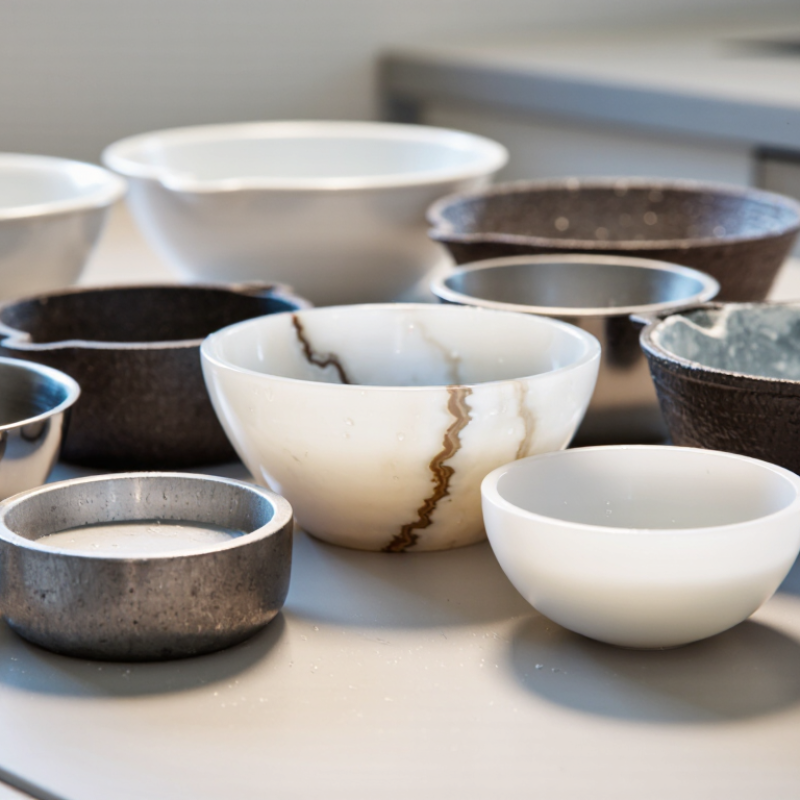
Table of Contents [Hide]
Define the Top 10: Agate, Porcelain, Alumina, Zirconia, and Silicon Nitride
Pulverizing bowl selection starts with the sample, not the machine. Agate bowls suit geological powders, pigments, and trace-sensitive work because they add little metallic contamination. They are hard, yet they can chip under careless loading. Porcelain bowls offer economical general-purpose grinding and tolerate routine laboratory use. Their porous surface may retain residue, especially after oily samples. Alumina bowls provide strong wear resistance for minerals, ceramics, and other abrasive materials. Zirconia is tougher than agate and resists impact during extended pulverizing. Silicon nitride combines high hardness, low wear, and useful thermal stability. It is valuable when contamination control matters.
The remaining five types include stainless steel, hardened steel, tungsten carbide, glass, and polymer-lined bowls. Stainless steel bowls are practical for durable, repeated processing, but metal transfer can affect sensitive chemistry. Hardened steel handles demanding workloads and coarse feedstock. Tungsten carbide offers exceptional hardness for very abrasive samples, although its fragments can compromise analysis. Glass bowls provide clean visual inspection and moderate chemical resistance. They remain vulnerable to impact. Polymer-lined bowls reduce direct contact with the vessel body and protect delicate materials from metal exposure. However, heat, solvents, and sharp particles may damage the lining.
A small test matters.
In real use, moisture changes the result quickly. A sample that powders well in alumina may smear inside a polymer-lined bowl. Cleaning technique also influences reliability. Inspect chips, discoloration, and trapped powder before every batch. No bowl is perfect. The best choice balances hardness, toughness, contamination risk, cleaning effort, and sample temperature. When results seem inconsistent, the bowl material may deserve as much attention as the pulverizing time.
Brands
Proudly Trusted by Top Suppliers Worldwide



Let us know and we will automate, together to fit your industrial needs.
 +91-97254 16844
Clients
Proudly Trusted by Top Companies Worldwide


Do you need Help? Get in touch.
X
Please fill out the form below and we will get back to you as soon as possible.