o
p
t
i
m
a
r
o
b
o
t
i
c
s

Make a Call

Make a Call
Blogs
China Top Battery Liquid Cooling Pipe Manufacturers?
China has become a major production base for electric vehicle battery components. The IEA’s Global EV Outlook 2025 reports that global electric car sales exceeded 17 million units in 2024. More than one in five new cars sold worldwide was electric. This growth is increasing demand for reliable Battery Liquid Cooling Pipe systems.
Battery temperature affects charging speed, safety, cycle life, and driving performance. Professor Martin Winter, a leading battery researcher, has described the battery as “the heart of the electric vehicle.” The comparison is useful, but incomplete. Without effective cooling, even a high-quality battery may lose performance under fast charging or heavy summer driving.
This article examines China’s top Battery Liquid Cooling Pipe manufacturers through practical engineering criteria. These include aluminum or stainless-steel material quality, tube geometry, welding accuracy, leak resistance, burst pressure, and thermal-cycle durability. Supplier audits should also review IATF 16949 certification, ISO 9001 systems, traceability records, and end-of-line testing. A pipe can look polished and still fail after repeated expansion and contraction. That detail is easy to overlook.
Reports from the IEA and industry research groups show that battery manufacturing is becoming larger, faster, and more internationally connected. However, supplier rankings should not depend on factory size alone. Production experience, prototype support, delivery stability, and transparent test data matter more for long-term projects. The following overview compares leading Chinese manufacturers and explains where each supplier may fit different battery pack designs. Some information may change as factories expand, products improve, or customer requirements become stricter. Verify current certifications and sample performance before placing a purchase order.
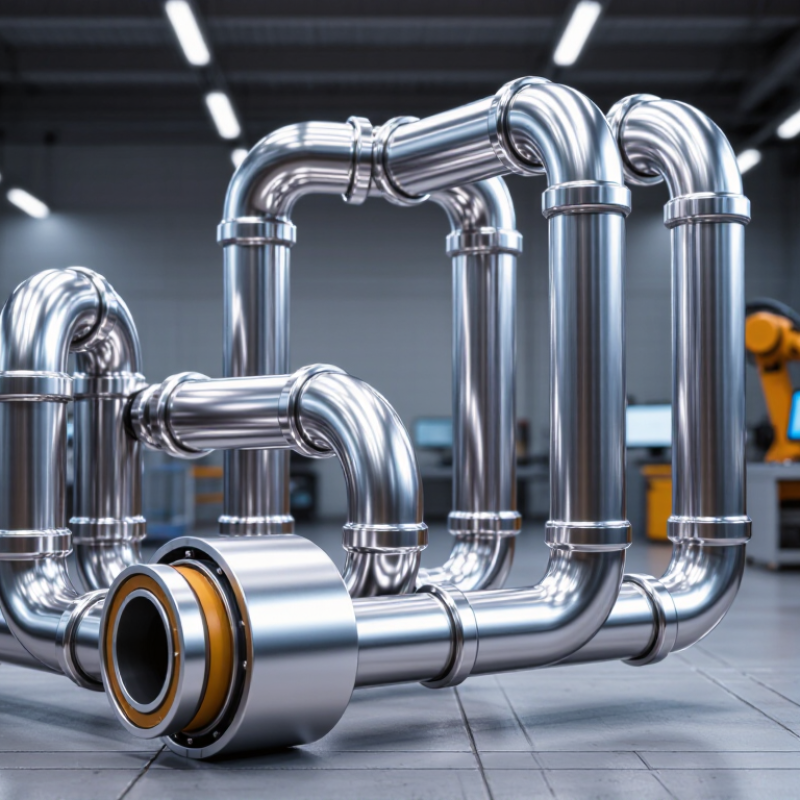
Table of Contents [Hide]
Battery Liquid Cooling Pipes: Function, Materials, and Design Requirements
Battery Liquid Cooling Pipes: Function, Materials, and Design Requirements
Battery liquid cooling pipes transfer heat from battery cells to a cooling plate, chiller, or heat exchanger. They help maintain stable temperatures during fast charging and heavy discharge. Even cooling matters. Uneven temperatures can accelerate cell aging and reduce usable power. In practical system reviews, engineers check flow resistance, pressure stability, and connection reliability together.
Even cooling matters.
Common materials include aluminum, stainless steel, copper, and engineered polymers. Aluminum offers low weight and good thermal conductivity. Stainless steel resists corrosion and tolerates demanding pressure conditions. Copper transfers heat efficiently, but its weight and cost require careful evaluation. Polymer pipes can reduce mass, although long-term permeability and temperature limits need verification. Material selection should match the coolant, operating temperature, vibration level, and expected service life.
Design details often decide real performance.
Smooth internal walls reduce pressure loss and pump energy use. The pipe layout should avoid sharp bends near battery modules. Flexible sections can absorb vibration, but excessive flexibility may cause fatigue. Seals must remain stable after repeated thermal cycling. Small leaks matter. Manufacturers should test burst pressure, leakage, vibration, coolant compatibility, and thermal aging. Production quality also depends on clean forming, consistent wall thickness, and traceable inspection records.
One point remains debatable: a thinner pipe may save weight, but it leaves less safety margin. Engineers should question that compromise before mass production.
Brands
Proudly Trusted by Top Suppliers Worldwide







Let us know and we will automate, together to fit your industrial needs.
 +91-97254 16844
Clients
Proudly Trusted by Top Companies Worldwide


Do you need Help? Get in touch.
X
Please fill out the form below and we will get back to you as soon as possible.