o
p
t
i
m
a
r
o
b
o
t
i
c
s

Make a Call


Make a Call
Blogs
China Top Coffee Pouch Manufacturers for Global Buyers?
Coffee demand is large, and the packaging behind each bag has a practical job: protect aroma, resist moisture, and travel reliably. The International Coffee Organization’s Coffee Report and Outlook estimated global coffee consumption at 177.0 million 60-kilogram bags in coffee year 2023/24, a 2.2% increase from the previous year. That scale makes dependable packaging a real purchasing concern for roasters and distributors. Small details matter.
A well-made Coffee Pouch may use a high-barrier film, a heat-sealed edge, and a zipper that stays usable after opening. Valve placement, film thickness, pouch dimensions, and print quality also affect performance on filling lines and retail shelves. Not every pouch fits. A design that looks polished in a sample can behave differently during production, so buyers should request specifications, production samples, and relevant quality documents before placing a large order.
This guide explores China-based coffee pouch manufacturers for global buyers, with attention to product range, customization, quality controls, communication, and export experience. Supplier claims deserve careful checking. Ask how barrier performance is tested, whether materials match your product and filling process, and what evidence supports environmental claims. The right manufacturer is not simply the one offering the lowest quote; it is the one that can explain its materials, deliver consistent batches, and respond clearly when something needs correction. No single supplier suits every brand. That trade-off is easy to miss.
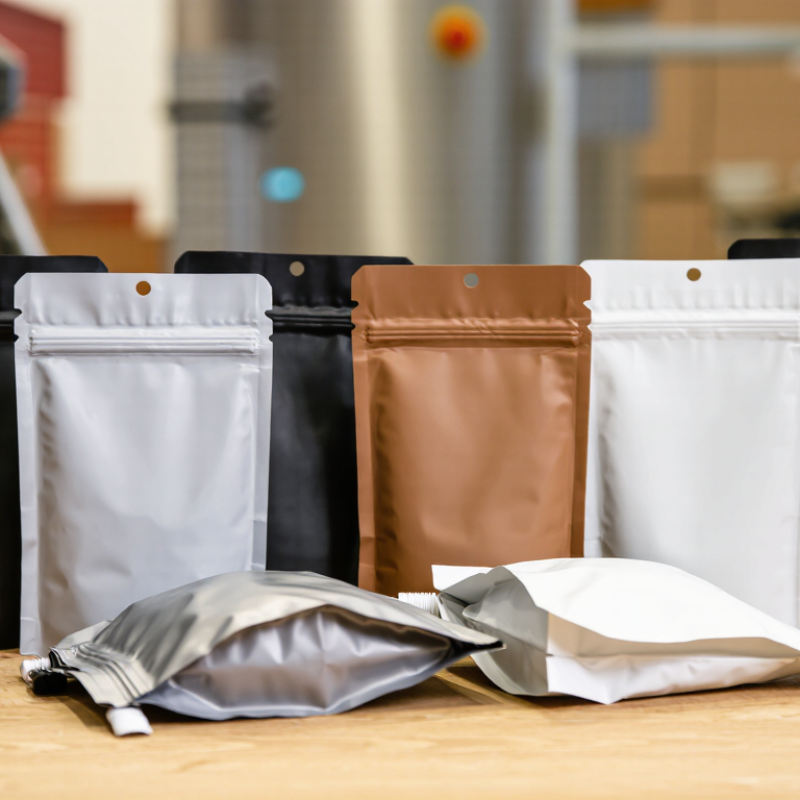
Table of Contents [Hide]
What Defines a Leading Coffee Pouch Manufacturer in China?
A leading coffee pouch manufacturer in China should explain how its packaging protects coffee, not just show polished samples. Ask about the pouch’s laminate structure and its oxygen and moisture barrier data. Freshly roasted beans release gas, so valve performance and seal quality matter. A neat sample is useful, but it cannot prove consistency. Request pouches from a regular production run.
Reliable suppliers provide clear material specifications, batch traceability, and relevant food-contact test records. They should also discuss printing accuracy, zipper function, and how seals are checked. Test filled pouches under realistic storage and shipping conditions. Look for leaks, weak corners, or print rubbing after handling. Details like these can reveal more than a sales presentation. No factory is flawless; open discussion of defects and corrective actions is a stronger sign than vague promises.
Tips: Compare written specifications, not just prices. Ask for recent test results and production samples. Check each pouch after filling, sealing, and transport. Even experienced buyers can miss small seal flaws.
Brands
Proudly Trusted by Top Suppliers Worldwide







Let us know and we will automate, together to fit your industrial needs.
 +91-97254 16844
Clients
Proudly Trusted by Top Companies Worldwide


Do you need Help? Get in touch.
X
Please fill out the form below and we will get back to you as soon as possible.