o
p
t
i
m
a
r
o
b
o
t
i
c
s

Make a Call


Make a Call
Blogs
What Are the Top China Open Frame Generator Sets?
Choosing the top Open Frame Generator Sets requires more than comparing engine size or advertised wattage. Buyers should examine real operating conditions, service access, fuel use, noise, and long-term reliability. A unit that performs well on a dry test bench may struggle on a dusty construction site.
This guide evaluates leading generator sets through practical and technical criteria. These include rated output, standby capability, voltage stability, cooling performance, control panels, and warranty support. It also considers how easily technicians can reach filters, belts, batteries, and emergency shutdown controls. Small details matter. A clear display can prevent costly mistakes during a night shift.
There is no universal winner. A compact diesel model may suit a farm, while a larger commercial set fits workshops or temporary facilities. Published specifications can also vary by testing method, altitude, and ambient temperature. That deserves careful attention. We therefore compare manufacturer data with realistic use cases, maintenance expectations, and user-focused concerns.
The strongest options usually balance dependable engines, robust alternators, responsive controls, and accessible parts. However, even respected brands have weaknesses. Some units offer excellent output but create more noise. Others are easy to service but lack advanced monitoring. Readers should treat rankings as guidance, not absolute judgment. Final selection should match the load profile, installation environment, operating hours, and qualified local service availability.
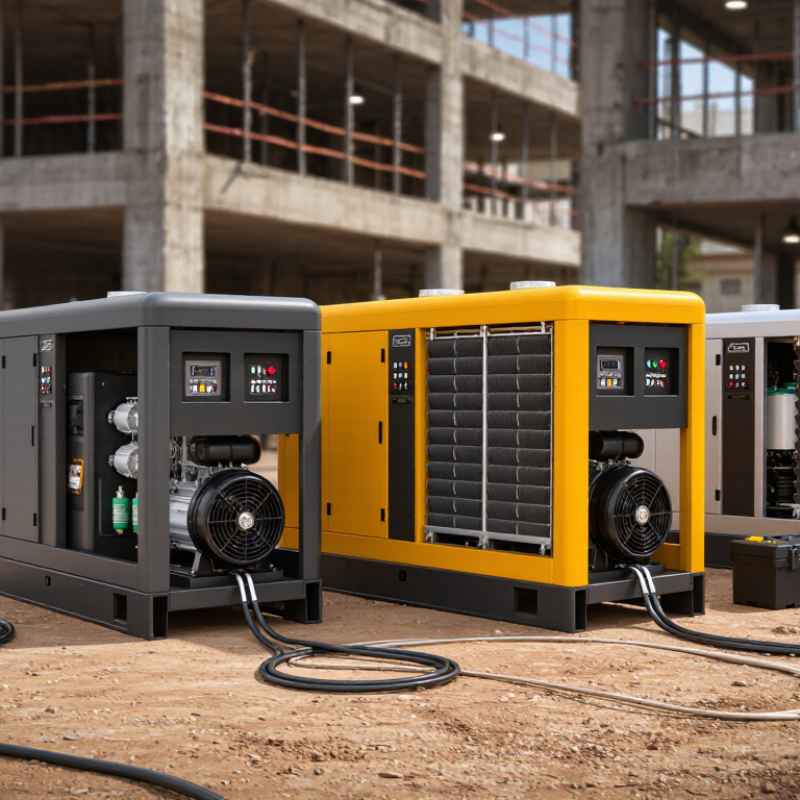
Table of Contents [Hide]
China Open Frame Generator Sets: Definition and Core Design
What Are the Top China Open Frame Generator Sets?
China Open Frame Generator Sets: Definition and Core Design
An open frame generator set places its engine, alternator, control panel, and fuel system on a rigid steel base. It has no full acoustic or weather enclosure. This exposed layout improves airflow and provides direct access for inspection, cleaning, and repairs. However, it needs a dry, secure, and well-ventilated installation area.
The core design starts with a welded skid frame. Vibration isolators sit between the engine assembly and the base. They reduce movement and protect nearby connections. A radiator pushes hot air away from the engine. The alternator converts mechanical rotation into electrical power, while the controller monitors voltage, frequency, oil pressure, and coolant temperature. A circuit breaker helps separate the generator from the connected load during faults.
Technicians should check frame alignment, cable terminals, grounding points, and fuel-line condition during routine maintenance. Small defects matter. Loose fasteners can create unusual vibration and gradual damage. Load testing also reveals weak performance that a no-load start may hide. Rated power, starting current, duty cycle, and local operating conditions must match the intended application. A set may look efficient on paper, yet perform poorly in a dusty workshop or poorly ventilated room. That is an important design limitation, not a minor detail.
Brands
Proudly Trusted by Top Suppliers Worldwide







Let us know and we will automate, together to fit your industrial needs.
 +91-97254 16844
Clients
Proudly Trusted by Top Companies Worldwide


Do you need Help? Get in touch.
X
Please fill out the form below and we will get back to you as soon as possible.