o
p
t
i
m
a
r
o
b
o
t
i
c
s

Make a Call


Make a Call
Blogs
China Best Paper Coating Machine Manufacturers?
Choosing among China’s best Paper Coating Machine manufacturers requires more than comparing catalog prices. It demands practical knowledge of coating chemistry, web handling, drying control, and after-sales service. A reliable supplier should explain how its machine manages coating weight, tension stability, edge quality, and substrate changes. Ask for test data, not attractive photographs.
Dr. Hannu Paulapuro, a respected paper-technology researcher, has stated, “Paper quality is created through the whole process, not at one machine alone.” This principle remains highly relevant when evaluating Chinese equipment makers. A modern Paper Coating Machine may include blade, rod, air-knife, or curtain coating systems. Each design suits different grades, speeds, and surface requirements. Stainless-steel contact parts, accurate metering pumps, and responsive drying zones matter during real production.
Look closely at operating evidence. Can the manufacturer demonstrate a stable coating profile at production speed? Are spare parts available in your region? Does the control system record temperature, viscosity, pressure, and moisture data? These details often separate an experienced builder from a low-cost assembler.
The decision is rarely perfect.
Even reputable manufacturers may have limited experience with a specific paper grade. A supplier may also present ideal laboratory results that differ from factory performance. Therefore, buyers should inspect references, request a pilot trial, and review maintenance records before signing a contract. This article examines leading Chinese manufacturers through technical capability, customization, reliability, service response, and total operating value—not marketing claims alone.
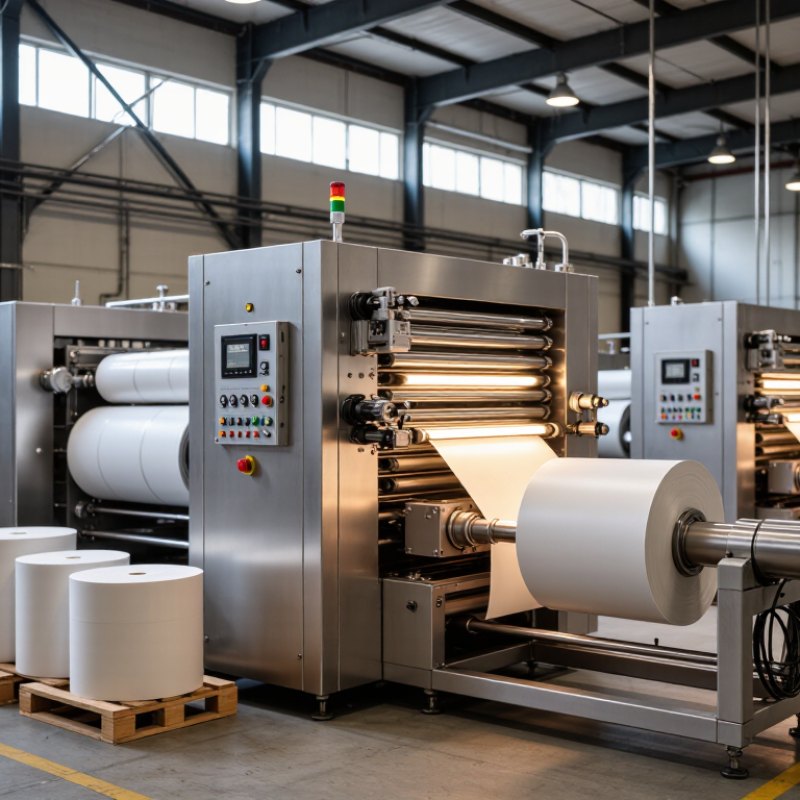
Table of Contents [Hide]
What Is a Paper Coating Machine?
What Is a Paper Coating Machine?
A paper coating machine applies a controlled layer to paper or paperboard. The coating may contain pigments, binders, water, or functional additives. It improves smoothness, printability, brightness, gloss, and resistance to moisture or grease.
A typical line includes an unwinder, coating station, metering unit, dryer, calender, and rewinder. The coating station spreads liquid across a moving paper web. A blade, rod, or air-knife system then controls the coat weight.
Dryers remove moisture without overheating the sheet. Small temperature changes can cause curling, blistering, or uneven gloss.
According to Smithers’ The Future of Global Paper and Board to 2028, worldwide paper and board demand is expected to exceed 470 million tonnes by 2028. This growth increases pressure on coating lines to improve output and reduce material waste. CEPI reported European paper and board production at about 79.5 million tonnes in 2023, showing the scale of this manufacturing base.
In practical operation, buyers should inspect coat-weight stability, drying efficiency, web tension, and cleaning access. Energy use matters greatly. However, higher speed does not always mean better performance. A fast machine can create more defects when coating viscosity changes. That part is often underestimated. Reliable evaluation requires production trials, laboratory testing, and data from comparable paper grades.
Brands
Proudly Trusted by Top Suppliers Worldwide






Let us know and we will automate, together to fit your industrial needs.
 +91-97254 16844
Clients
Proudly Trusted by Top Companies Worldwide


Do you need Help? Get in touch.
X
Please fill out the form below and we will get back to you as soon as possible.