o
p
t
i
m
a
r
o
b
o
t
i
c
s

Make a Call


Make a Call
Blogs
7 Best Fence Post Machines for Global Buyers
Global fencing demand is closely tied to construction, agriculture, infrastructure, and perimeter-security investment. Reports from Grand View Research and MarketsandMarkets show continued expansion across construction equipment and automated manufacturing. However, neither report isolates every Fence Post Machine category. That gap matters.
A buyer comparing machines must examine more than output claims. Post diameter, timber moisture, hydraulic pressure, tooling life, power supply, and service access affect real productivity. A machine producing 600 posts daily may perform poorly with wet hardwood or inconsistent material. Small details become expensive delays.
W. Edwards Deming, a respected manufacturing quality expert, said, “Without data, you’re just another person with an opinion.” His warning fits this market. Supplier brochures often present ideal conditions. Field performance can differ. No shortlist is flawless.
This guide reviews seven Fence Post Machine options for global buyers. It considers production capacity, energy use, automation, operator safety, maintenance, spare-parts support, and regional compatibility. These factors reflect practical purchasing experience, not showroom impressions. Buyers should still verify test results, warranty terms, and local technical support before ordering.
Some machines suit high-volume fencing factories. Others fit smaller workshops needing flexible tooling and simpler maintenance. The best choice depends on material, budget, labor availability, and expected production cycles. A cheaper machine may demand more manual handling. A fully automated line may require stronger technical skills.
The ranking offers direction, not a universal answer. Real conditions matter more than polished specifications.
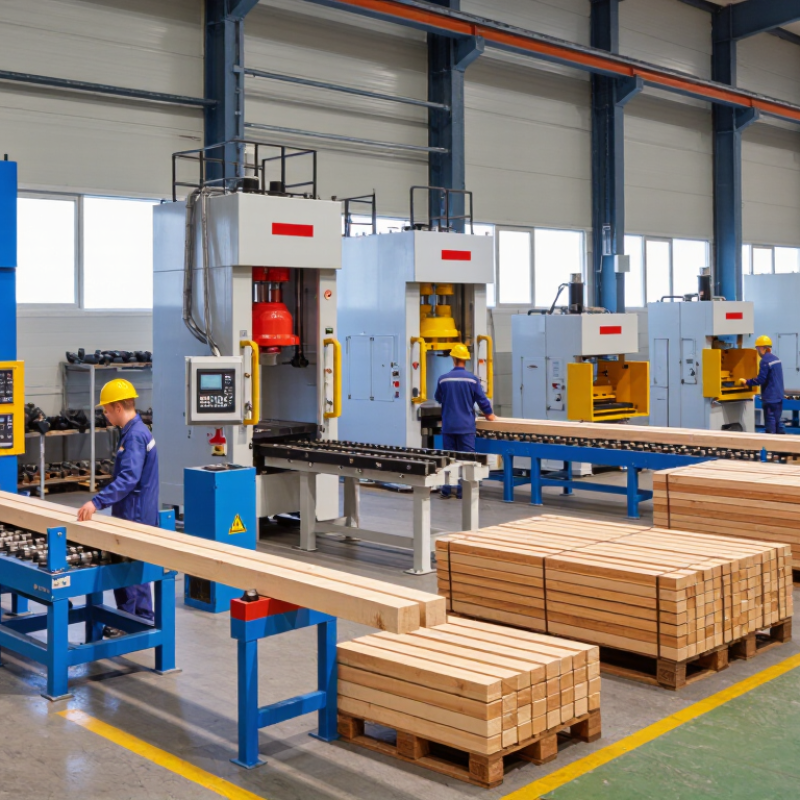
Table of Contents [Hide]
What Fence Post Machines Are and How They Work
7 Best Fence Post Machines for Global Buyers
What Fence Post Machines Are and How They Work
Fence post machines are industrial systems that produce posts from concrete, steel, or timber. Their design depends on the material, post shape, and required production volume. Concrete machines usually combine cement, aggregate, water, and additives. The mixture enters a mold, then vibration or hydraulic pressure removes air pockets. After forming, posts need controlled curing before handling. Steel equipment commonly straightens, cuts, punches, and presses metal profiles. Timber systems may use saws, drills, and surface treatment units. Each machine follows a different production logic.
A typical concrete line starts with measured materials and a mixing unit. The fresh compound moves into a reusable mold. Vibration spreads the material around reinforcement and sharp corners. Hydraulic pressure may improve density and surface consistency. Sensors can monitor filling, temperature, and cycle timing. However, automation cannot fix poor raw materials or a worn mold. That part is often underestimated. Buyers should check local power supply, water quality, mold availability, and operator training before comparing output claims.
Tips: Request test samples using your intended material. Inspect mold alignment after every shift. Keep curing records, even when production seems stable. Ask how quickly common parts can be replaced. A slightly slower machine may deliver better consistency and fewer rejected posts. Also, leave space around the line for cleaning and safe maintenance.
Brands
Proudly Trusted by Top Suppliers Worldwide







Let us know and we will automate, together to fit your industrial needs.
 +91-97254 16844
Clients
Proudly Trusted by Top Companies Worldwide


Do you need Help? Get in touch.
X
Please fill out the form below and we will get back to you as soon as possible.