o
p
t
i
m
a
r
o
b
o
t
i
c
s

Make a Call


Make a Call
Blogs
Top Types of Flavored Air Pens for Global Buyers?
The Flavored Air Pen category is attracting global buyers seeking portable aroma, breath-freshening, and nicotine-free inhalation products. Yet the market remains poorly defined. Major research firms usually group these devices with e-cigarettes, personal vaporizers, or wellness inhalers. Buyers should notice that gap.
Grand View Research reported continued growth in the global e-cigarette market, while the World Health Organization continues monitoring flavored nicotine products and youth exposure. The U.S. CDC’s 2024 National Youth Tobacco Survey also showed that flavors remain a major reason young users choose e-cigarettes. These findings do not prove that every Flavored Air Pen contains nicotine. They do show why ingredient clarity, age controls, and compliant packaging matter.
Dr. Tedros Adhanom Ghebreyesus, Director-General of the WHO, stated, “If you have never smoked or used other tobacco products or nicotine, don’t use e-cigarettes.” His warning is especially relevant when sellers blur the line between flavored air devices and regulated nicotine products. Global buyers should compare disposable aroma pens, refillable scent pens, cooling-air inhalers, and non-nicotine wellness formats separately. Check airflow resistance, flavor stability, leak protection, battery certification, and laboratory testing. A pen that looks attractive under bright retail lighting may still have weak labeling or inconsistent output. That is the uncomfortable part.
This guide examines the top types of Flavored Air Pen products for international purchasing decisions. It considers user experience, manufacturing quality, documentation, and market suitability. The category may develop quickly, but reliable evidence still trails promotional claims. Buyers should remain cautious.
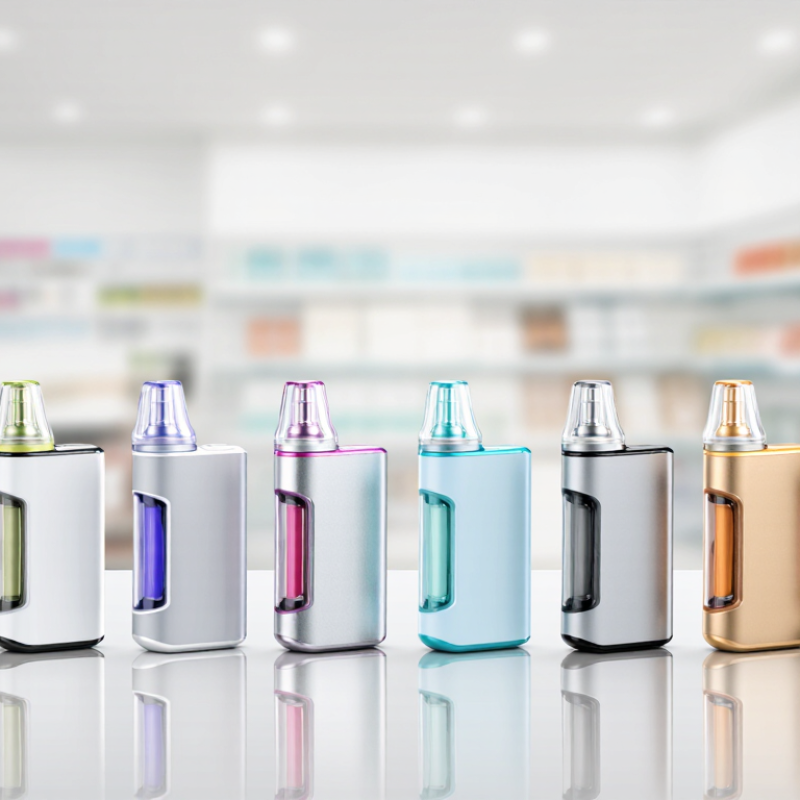
Table of Contents [Hide]
Non-Electronic Flavored Air Pens: 0 mg Nicotine and Scent-Load Specs
For global buyers, non-electronic flavored air pens require clearer specifications than attractive flavor names. These devices contain 0 mg nicotine and create no vapor through heating. Their main variables are scent-load weight, airflow resistance, material safety, and expected use duration. A practical specification sheet should state scent load in milligrams, reservoir volume, tip material, batch number, and storage temperature.
Market data shows why this category deserves careful positioning. Grand View Research estimates the global flavors and fragrances market reached about USD 33.5 billion in 2023, with continued growth through 2030. Fortune Business Insights reports a similar market value, but its estimates differ because product definitions vary. This difference matters. Buyers should not treat broad fragrance-market figures as direct demand data for air pens.
Scent-load specifications need measurable testing. A supplier may list 50 mg of fragrance material, yet release intensity can change with airflow, humidity, and storage time. Independent laboratory checks should review restricted substances under current IFRA guidance and applicable local product rules. ISO 9235 can help classify natural aromatic materials consistently. Safety claims must remain modest. These pens are not medical devices, and “nicotine-free” does not automatically mean risk-free. In my view, duration claims need more honesty. A stated “300 uses” may reflect laboratory draws, not ordinary consumer behavior. Clear test conditions build stronger trust than perfect-looking numbers.
Brands
Proudly Trusted by Top Suppliers Worldwide






Let us know and we will automate, together to fit your industrial needs.
 +91-97254 16844
Clients
Proudly Trusted by Top Companies Worldwide


Do you need Help? Get in touch.
X
Please fill out the form below and we will get back to you as soon as possible.