o
p
t
i
m
a
r
o
b
o
t
i
c
s

Make a Call


Make a Call
Blogs
2026 Top Food Packaging Inspection Systems for Buyers
Choosing a packaging inspection system is about more than spotting a defect. It is about finding the right balance between product safety, line speed, and dependable performance. In 2026, buyers can compare technologies such as X-ray inspection, metal detection, vision systems, and checkweighers. Each addresses different risks. A camera may catch a crooked label, while an X-ray system can reveal a foreign object inside a sealed pack. The details matter.
This guide to Food Packaging Inspection systems helps buyers assess options against real production needs. Consider package material, product texture, expected throughput, cleaning routines, and integration with existing conveyors. Ask suppliers how the system handles false rejects and how operators verify results during a busy shift. Those answers can be more useful than a polished demonstration.
No system fits every line. A setup that works well for rigid trays may struggle with flexible pouches or frequent product changes. Buyers should review documented test results, service support, and training requirements before deciding. Some trade-offs only become clear after installation. That is worth remembering.
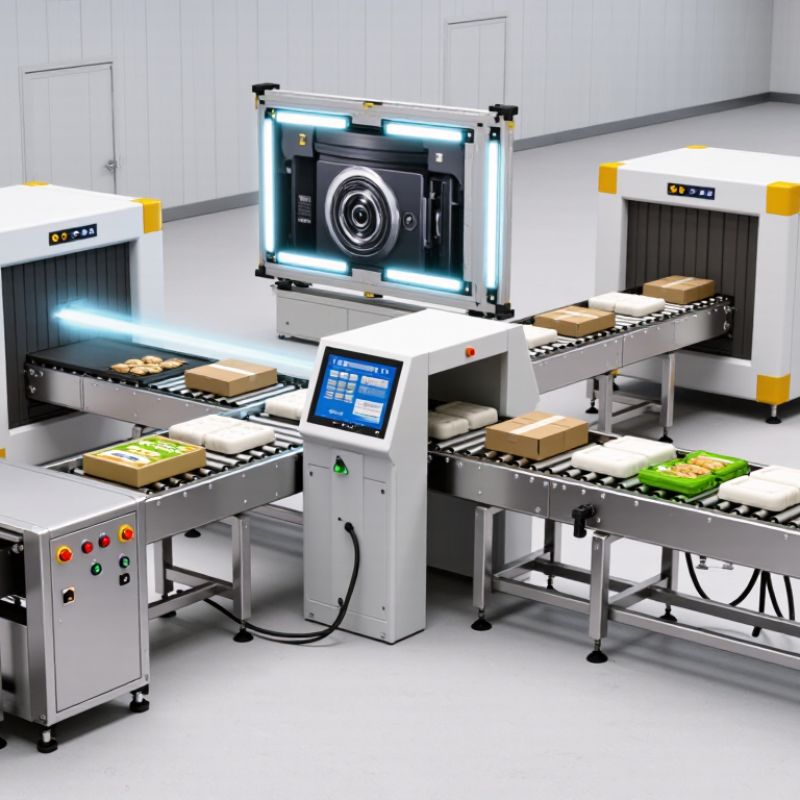
Table of Contents [Hide]
Food Packaging Inspection Systems: Purpose and Scope
Food packaging inspection systems are designed to protect product integrity, verify packaging quality, and support consistent release decisions. In 2026, buyers should view them as risk-control tools, not simple rejection machines. They examine seals, labels, codes, fill levels, foreign material, and package shape. Different products require different inspection points. A chilled tray may need seal and leak checks. A dry pouch may require seal contamination detection and code verification. The purpose is practical: identify defects before they reach distribution or consumers. Small defects matter.
Their scope extends across production, from incoming packaging materials to final case inspection. Cameras can check print alignment and missing information, while sensors can detect metal or unusual density. Checkweighers help identify underfilled or overfilled packs. Integrated data records can connect an image, weight result, time stamp, and line position. This supports investigations and gives quality teams evidence, not guesses.
Yet inspection cannot repair weak packaging design or poor sanitation controls. It also cannot replace trained operators. Real lines are messy. Condensation, vibration, glare, and speed can reduce accuracy. Buyers should request site trials with representative products, realistic defects, and normal cleaning routines. Ask how false rejects are measured. Ask how missed defects are reviewed. One limitation deserves honesty: no system detects everything. Performance may change after film, recipe, or line-speed changes. Clear validation plans, routine challenge tests, and accessible maintenance records make the equipment more trustworthy.
Brands
Proudly Trusted by Top Suppliers Worldwide







Let us know and we will automate, together to fit your industrial needs.
 +91-97254 16844
Clients
Proudly Trusted by Top Companies Worldwide


Do you need Help? Get in touch.
X
Please fill out the form below and we will get back to you as soon as possible.