o
p
t
i
m
a
r
o
b
o
t
i
c
s

Make a Call


Make a Call
Blogs
Top IP Video Intercom Manufacturers for Global Buyers
Choosing among the top IP video intercom manufacturers requires more than comparing camera resolution or product prices. Global buyers now evaluate complete systems, including door stations, indoor monitors, mobile applications, cloud services, and access-control integration. Fortune Business Insights identifies strong growth in the video intercom devices market, driven by smart buildings, residential security, and connected infrastructure. The report also highlights rising demand for remote monitoring and network-based communication.
Market momentum is visible.
Omdia’s video surveillance research consistently points toward analytics, cloud management, and cybersecurity as major purchasing priorities. These trends directly affect Ip Video Intercom deployment. A clear image is useful, but stable connectivity matters more when a facility has multiple entrances, weak network segments, or thousands of daily visitors. Buyers should also examine ONVIF compatibility, SIP support, encryption practices, firmware updates, warranty coverage, and regional technical service. IEC 62676 principles can help buyers assess video performance and system reliability.
Practical procurement experience reveals an uncomfortable detail: a polished datasheet may hide installation limitations. Some systems perform well in bright showrooms but struggle with backlighting, rain, glare, or crowded entrances. No ranking is perfect. Manufacturer selection should therefore combine independent testing, documented certifications, total ownership costs, and feedback from installers in similar markets. This guide reviews leading global suppliers through those practical criteria. It focuses on measurable performance, integration flexibility, supply capability, and long-term support, helping buyers make decisions that remain reliable after installation day.
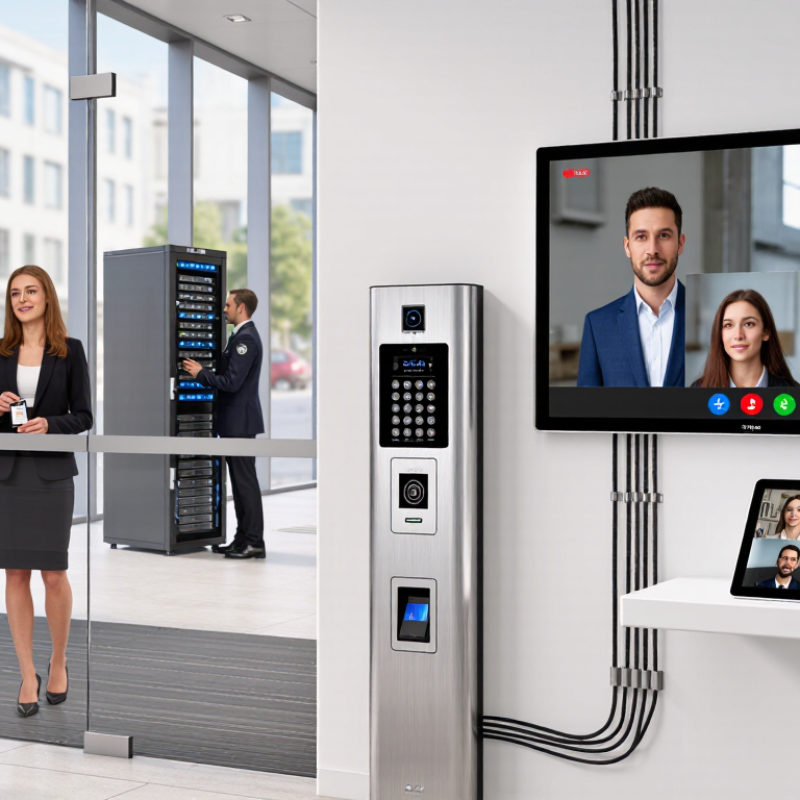
Table of Contents [Hide]
What Defines an IP Video Intercom Manufacturer
A capable IP video intercom manufacturer does more than assemble cameras, screens, and network ports. It designs a reliable communication system for real buildings. The system should deliver clear video, two-way audio, controlled access, and stable performance during power or network interruptions. Field experience matters. A manufacturer should explain mounting limits, cable distances, lighting conditions, and maintenance needs before installation.
Cybersecurity is equally important. Devices need secure updates, strong authentication, encrypted communication, and documented vulnerability handling. The NIST Cybersecurity Framework 2.0 emphasizes governance, protection, detection, response, and recovery. These principles should appear in product testing, not only in brochures. According to Grand View Research, the global video surveillance market was valued at approximately USD 53.7 billion in 2023. Its projected growth increases the pressure on manufacturers to build safer connected products.
Interoperability also defines professional capability. Support for common network standards, management platforms, and integration interfaces reduces replacement costs. ONVIF’s market role shows why open interoperability remains valuable across security projects. However, compatibility claims need practical testing. A device may connect successfully, yet still lose functions during integration. That detail is often missed. Reliable manufacturers publish test conditions, firmware policies, warranty limits, and response times. They also provide regional technical support and clear documentation. No manufacturer gets everything right. Honest limitations can be more valuable than perfect marketing language.
Brands
Proudly Trusted by Top Suppliers Worldwide







Let us know and we will automate, together to fit your industrial needs.
 +91-97254 16844
Clients
Proudly Trusted by Top Companies Worldwide


Do you need Help? Get in touch.
X
Please fill out the form below and we will get back to you as soon as possible.